
African negotiators at COP31 demand concrete action on climate justice
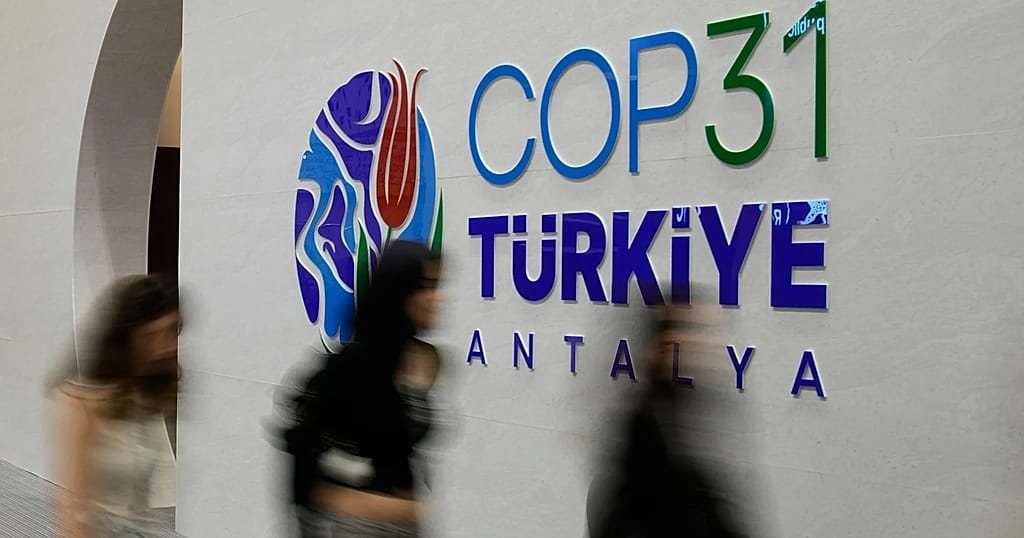
African climate negotiators have demanded firm, practical commitments on climate justice at the COP31 summit in Antalya, Turkey. The talks ran past their scheduled close on Friday as countries remained divided over fossil fuels and other contested issues, according to Africanews.
The African Group of Negotiators on Climate Change (AGN) set out its position after a draft agreement was published at the summit. The group is chaired by Zanetor Agyeman-Rawlings, Ghana's Environment Minister.
"We didn't come here to beg," Agyeman-Rawlings said, according to Africanews.
She said African delegations had come to claim what belongs to their people. She argued that Africans are bearing the heaviest burden of climate change caused largely by the activities of developed countries, and are now being made to pay for a crisis they did not create.
Draft deal drops fossil fuels
The talks have been dominated by disagreement over how strongly the final text should address coal, oil and gas, the main drivers of climate change.
An initial draft released earlier in the week was lengthy. It contained strong calls to speed up the phase-out of fossil fuels and also dealt with other sensitive areas, including climate finance and climate science.
However, a shorter version published on Thursday by Australia, which is co-hosting COP31, left out any reference to fossil fuels.
A third revised draft was expected later on Friday, and negotiators anticipated that discussions would continue into the weekend.
Pressure to restore fossil fuel language
The omission has drawn pushback. In an open letter released on Friday, a group of countries including France, Panama and Côte d'Ivoire called for the global commitment to "accelerate the phase-out of fossil fuels" to be put back into the COP31 agreement, Africanews reported.
Africa says rich nations falling short
Throughout the summit, African delegations have maintained that wealthy nations are not meeting their obligations to support the continent in tackling the effects of climate change.
Agyeman-Rawlings said the people of Africa, who have suffered most from the consequences of activities largely carried out by developed countries, deserve a better deal.
She added that the AGN was in Antalya to speak on behalf of those communities and would not allow the summit to become what she described as another talk shop.
The AGN represents African countries, including Kenya, in the UN climate negotiations, presenting a common position on issues such as finance and adaptation.
What happens next
All eyes are now on the next version of the draft text. Its wording on fossil fuels and on support for developing nations is likely to determine whether African negotiators, and the countries backing the open letter, can accept the final outcome.
With talks already in overtime, delegates face a tight window to bridge their differences before the summit closes.
This story was prepared by the Hamasta Newsdesk with AI assistance, based on reporting by Africanews. Read the original report. Photo: Africanews.


Grow an audience that listens.
Social media management, digital campaigns and online storytelling that converts.



More in International
See all
Ukraine knocks out Kerch Bridge road span as Medvedev says 'no one needs Europe'
.jpeg)
Italy hit by nationwide strike as workers and students protest living costs
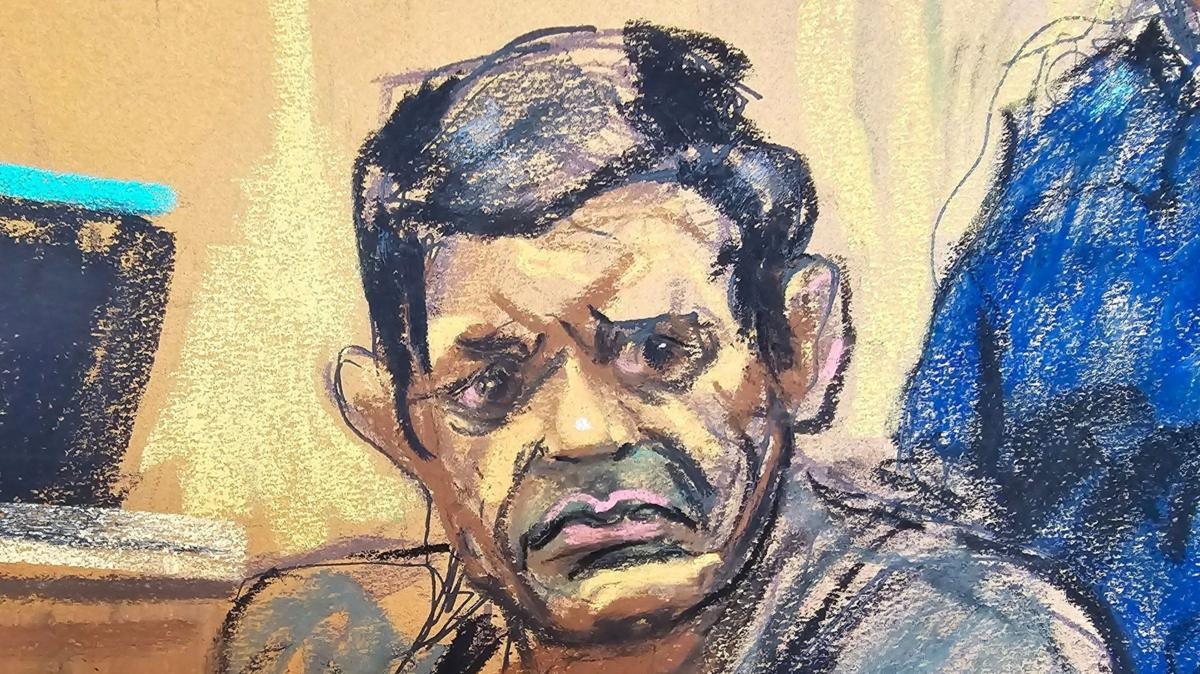
Indian national jailed for over 19 years in US plot to kill Sikh separatist leader
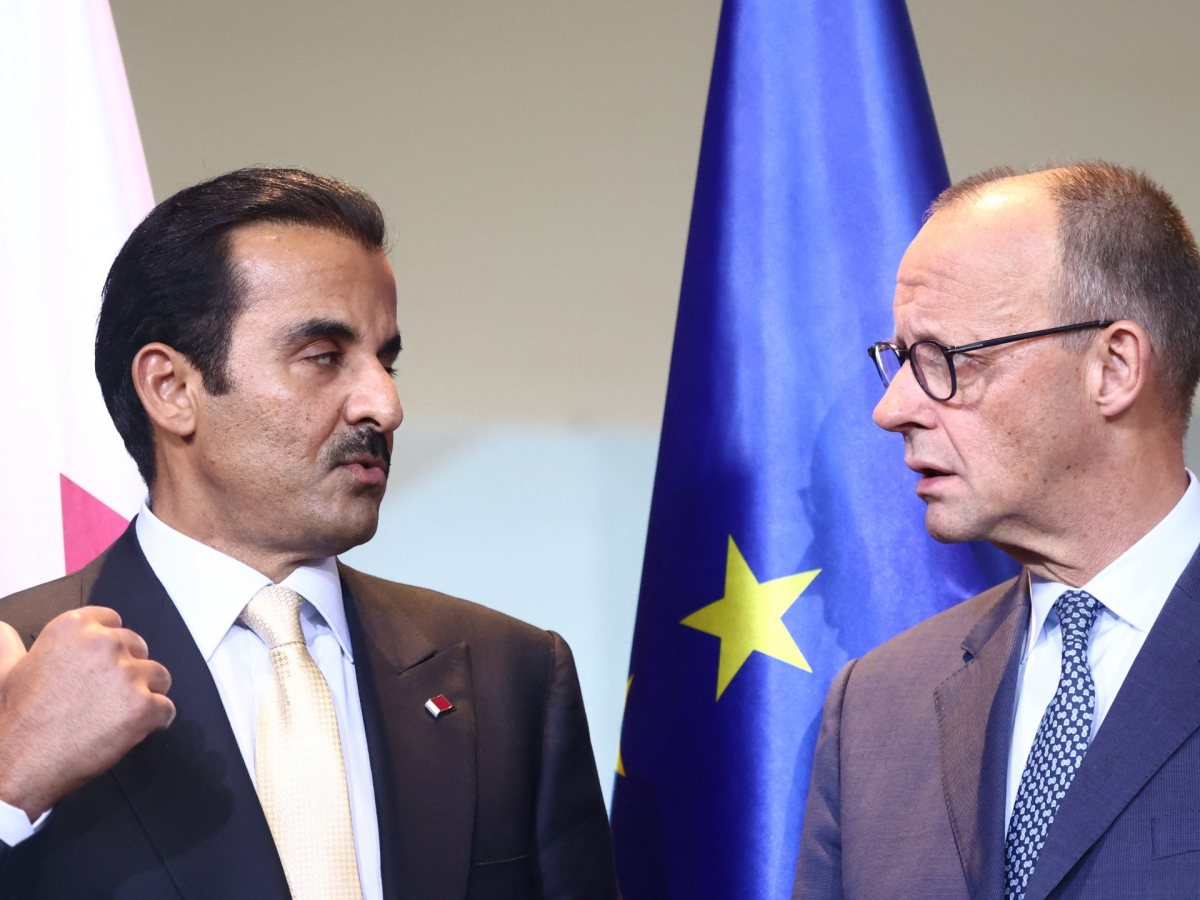
Qatar pledges $16.5bn in new German investment as emir visits Berlin
US Senate passes bipartisan bill to fast-track energy project approvals
Global Community Remarks
0