
Internet metering bill draws fire over privacy, cost fears
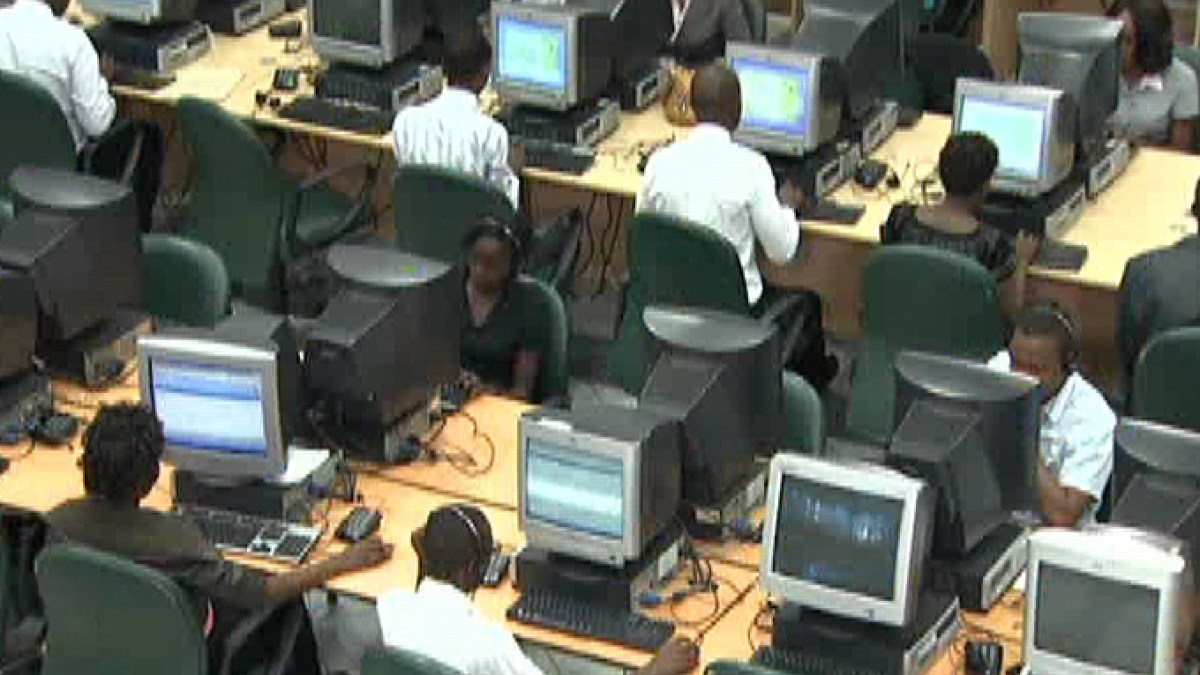
A proposed law that would force internet service providers in Kenya to track each subscriber's data use and bill them accordingly is facing growing resistance from the sector regulator, telecoms firms and civil society, who warn it could raise costs and expose personal information, according to Al Jazeera.
The Kenya Information and Communications (Amendment) Bill, 2025, sponsored by Aldai MP Marianne Jebet Kitany, would make consumption-based billing mandatory. Providers would have to give every customer a unique meter number, monitor usage, translate it into readable records and issue invoices based on what was consumed.
They would also be required to share details of their billing systems, including subscriber meter numbers, with the regulator at least once each financial year.
Consumer protection goal
The Bill's memorandum says the changes aim to shield consumers from exploitation and secure their economic interests under Article 46 of the Constitution, and states that it does not limit fundamental rights. The National Assembly's Departmental Committee on Communication, Information and Innovation is currently considering the proposal.
Critics do not dispute the objective but question whether compulsory metering is the right tool, and whether subscribers' data would be adequately protected.
Privacy questions
The Bill does not expressly require providers to record message content or websites visited. However, civil society groups want clarity on what usage information would be gathered and how identifiable records would be stored, accessed and shared.
The International Commission of Jurists (ICJ) Kenya argues the Communications Authority of Kenya (CA) already has powers to handle billing complaints. Demas Kiprono of ICJ Kenya has questioned whether collecting identifiable usage data is necessary and proportionate to the Bill's aims.
Opponents say Parliament should spell out who may access the records, how long they can be kept and when they may be disclosed, and explain how the Data Protection Act, 2019, would apply.
Al Jazeera noted that telecoms data has featured in a separate case involving university student David Ooga Mokaya, who was acquitted in February of publishing false information over a post about President William Ruto. He has since petitioned the High Court, alleging that his call records, location data and other information were given to investigators without consent. Justice Bahati Mwamuye issued interim orders barring disclosure of his data pending the case. The allegations have not been proven, and the case does not show that the proposed metering system would be used for surveillance.
Regulator warns on affordability
In a November 3 submission to Parliament, the CA cautioned that compulsory metering could hurt affordability, digital inclusion and consumer choice, particularly for low-income households, students, small businesses and underserved communities. It noted that background apps, updates and streaming can consume data without users noticing.
Instead, the Authority proposed:
- Usage alerts at 50, 80 and 100 percent of a data allowance
- Free real-time usage dashboards and monthly spending caps
- Independent certification and periodic audits of metering systems
- Clearer itemised bills and stronger dispute-resolution procedures
Industry concerns
Telkom Kenya chief executive Mugo Kibati told the committee on November 10 that about 96 percent of data subscriptions are mobile and already billed by volume, meaning the changes would mainly affect fixed broadband. Telkom warned a uniform framework could raise compliance costs and threaten privacy and investment.
The company asked MPs to protect unlimited and speed-based packages, allow at least 18 months for compliance and require only aggregated subscriber data to be sent to the regulator.
"Sometimes you can go overboard in trying to protect consumers that you actually kill a nascent, growing sector," Kibati told legislators.
Kenya Private Sector Alliance chief executive Carole Kairuki told Al Jazeera the changes could make connectivity costs less predictable, especially for smaller enterprises.
Advocate Kelvin Kubai told Al Jazeera that internet access is central to young people's civic participation, a debate sharpened by the 2024 Finance Bill protests, and that any new rules should take this into account.
This story was prepared by the Hamasta Newsdesk with AI assistance, based on reporting by Al Jazeera. Read the original report. Photo: Al Jazeera.



Know what people say about you.
Media monitoring, audience insights and strategic communication for your brand.


More in Technology
See all
Anthropic mathematician claims AI-assisted proof of the Riemann hypothesis

Gates Foundation's Basinga urges Africa to put practical needs ahead of AI hype

Kenyan edtech startup Dira wins US$10,000 at African Agentic AI Design Challenge

Eight Kenyan university students head to China for Huawei technology training
Meta reconsiders 2030 net-zero deadline as AI data centres push emissions up 45%

Global Community Remarks
0