
Western Kenya cancer patients share their stories to push for early breast cancer checks
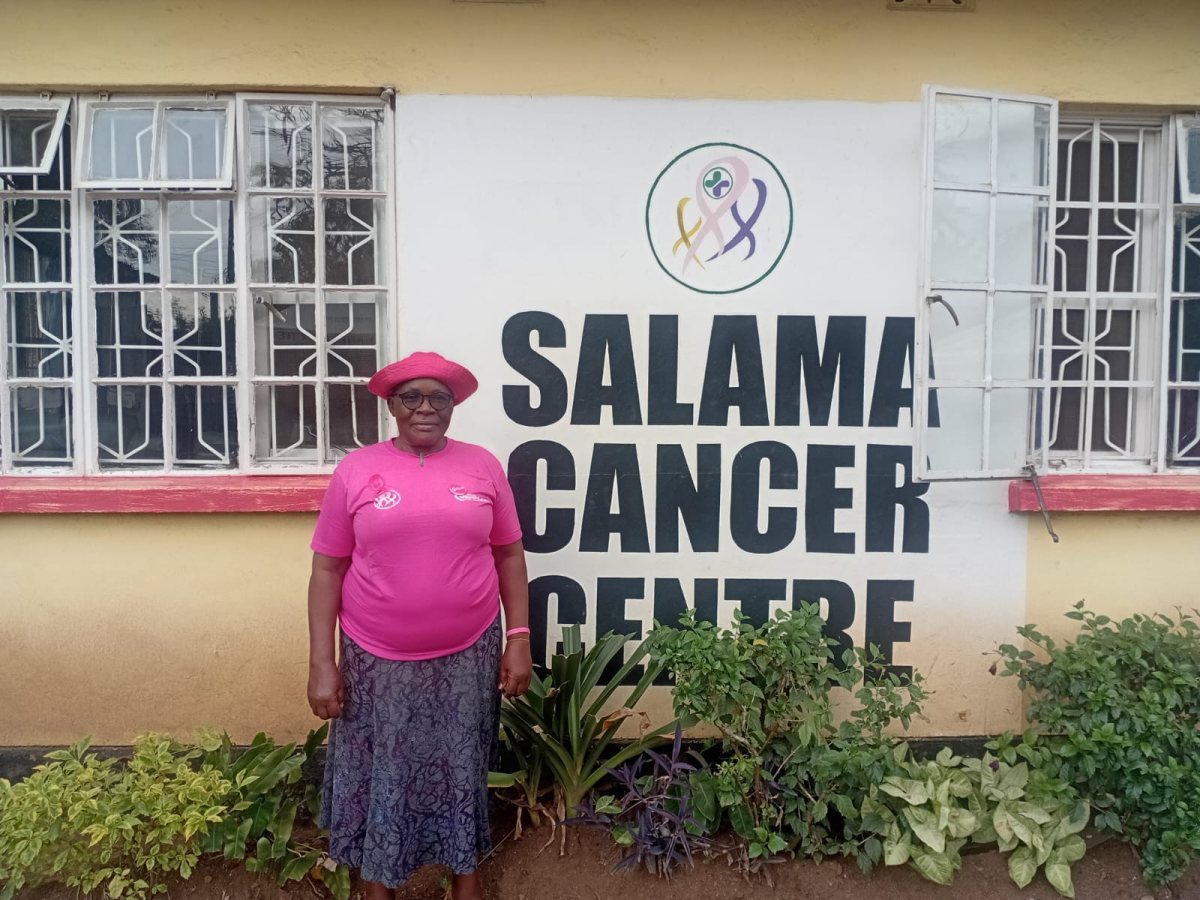
Women living with breast cancer in Western Kenya are speaking publicly about their diagnosis and treatment to encourage early detection. Their push comes as oncologists in Kisumu warn that the region carries a heavy cancer burden and that many patients seek care only once the disease has advanced, according to KBC.
Dr Lilac Wattanga, a consultant clinical and radiation oncologist at Jaramogi Oginga Odinga Teaching and Referral Hospital (JOOTRH), told KBC that breast, cervical and prostate cancers are a major concern in the region. She linked the trend partly to delayed hospital visits and low awareness of screening.
From suspected malaria to stage-two cancer
Sharon Awuor, 35, from Kisumu, went to JOOTRH with fever, persistent vomiting and severe weakness. Doctors first looked into malaria, but further examinations led to a referral for specialised oncology services. A biopsy at Salama Cancer Centre later confirmed stage-two breast cancer.
Sharon told KBC she was devastated by the news and at one point considered abandoning further tests. Her husband, John Omollo, also 35, persuaded her to continue. He admits that he went through denial and mental health struggles of his own before accepting her diagnosis, and he now urges other men to stand by partners undergoing cancer treatment.
Sharon receives chemotherapy every three weeks and says it leaves her weak, dehydrated and sometimes unable to eat. She is scheduled for surgery and remains hopeful of recovering and one day becoming a mother. She uses TikTok, Facebook, Snapchat and Instagram to document her treatment, counter misconceptions and urge young people, particularly Generation Z, to seek early diagnosis.
Life after treatment
Maryanne, 31, was diagnosed with stage 2B breast cancer in June 2025. She completed eight rounds of chemotherapy in December 2025 and had a mastectomy in January. She then travelled to Nairobi for radiotherapy because the service was not available in Kisumu at the time. She has since returned to Kisumu for hormonal therapy, and her first scan in August 2026 detected no cancer cells.
She says survivors continue to carry emotional and psychological burdens long after others assume life has returned to normal. She also highlighted the high cost of scans, surgery, chemotherapy and radiotherapy, called for cancer services to be expanded beyond Nairobi, and warned patients against relying on unverified online information.
Lilian Juma, 42, a mother of four from Bungoma County, sought treatment at JOOTRH after facilities in Bungoma lacked the necessary equipment. She has undergone a mastectomy and continues with chemotherapy. She credits the Social Health Authority (SHA) with covering her treatment.
"If it were not for SHA, I don't know whether I would be breathing today," she told KBC.
Warning signs and rising demand
Dr Wattanga urged women not to ignore changes in their breasts, including:
- Lumps or swelling
- Changes in breast size or shape
- Nipple discharge or inversion
- Persistent pain
- Dimpling of the skin
She noted that not every abnormality is cancerous but said any unusual change should be assessed by a professional. She added that younger women should not assume the disease only affects older people. Her patients come from Western Kenya, South Nyanza, parts of the South Rift and occasionally neighbouring countries.
At Salama Cancer Centre in Kisumu's Tom Mboya Estate, Nursing Director Helen Okelo said patient numbers have risen sharply since the facility opened in June 2021. At first it saw one or two patients a month. It now treats about 15 to 30 patients a day, not counting those on oral medication. Biopsy results are usually ready within three to five days.
The centre offers psychosocial support to patients and caregivers and calls patients a few days after each treatment session. Okelo cautioned that some patients delay treatment while moving between facilities for second opinions, which allows the disease to progress. She is calling for a multi-sectoral approach to cancer awareness that involves local administrators and community leaders.
This story was prepared by the Hamasta Newsdesk with AI assistance, based on reporting by KBC. Read the original report. Photo: KBC.


Grow an audience that listens.
Social media management, digital campaigns and online storytelling that converts.



More in Health
See all
Stalled for a decade, JOOTRH cancer centre is 85 per cent done as MPs promise more cash to finish and equip it
Siaya family takes graduation party to JOOTRH after daughter's lupus diagnosis
SHA says Ksh800,000 cancer cover intact despite changes to treatment approvals
US judge approves Bayer's $7.25bn settlement over Roundup cancer claims
Only 19% of Kenyan women have ever been screened for cervical cancer, KNBS survey shows
Global Community Remarks
0