
Court orders prison security overhaul after inmate killed with smuggled hammer
The High Court has called for wide-ranging security reforms in Kenya's prisons after finding that authorities failed to protect an inmate who was bludgeoned and strangled by a fellow prisoner at Nyeri Maximum Security Prison, according to Nation Kenya.
Justice Kizito Magare ordered the Kenya Prisons Service to file, within 120 days, an affidavit setting out the measures now in place to control and account for tools used in prison workshops and industries. The affidavit must be sworn by an officer holding at least the rank of Deputy Commissioner General.
The court also awarded Sh2.5 million in compensation to Faith Muthoni Kariuki, whose 35-year-old son, Shem Mugendi Kariuki, was killed in August 2015 while serving a 15-year sentence.
Hammer taken from carpentry workshop
Court records show that Peter Hiuhu Gachau, also known as Undertaker, attacked Kariuki as he slept in Block B, Ward 7 on August 16, 2015. Gachau, who was on death row for robbery with violence, had taken a claw hammer from the prison carpentry workshop, hidden it under his clothes and carried it into the ward.
He hit Kariuki twice on the head before strangling him. Gachau told investigators he believed Kariuki had stolen Sh27,000 from his mobile money account. He was later jailed for 35 years.
The court further found that Gachau had been secretly using a mobile phone inside the prison. The handset was recovered from another ward after the killing.
State's defence rejected
The State had argued that the death was an independent criminal act by another inmate. Justice Magare dismissed that position, ruling that prison authorities had a constitutional duty to safeguard Kariuki's life and security while he was in their custody.
The judge faulted officers for failing to account for tools at the end of the working day and for not searching inmates before they returned to their sleeping quarters. He noted that the ward held 95 high-risk prisoners, many of them sleeping on the floor, conditions that raised the risk of violence.
Evidence also showed that the ward's inmate in charge and another prisoner were aware of a dispute between Kariuki and his attacker before the killing. When the attack happened, night sentries could not get into the locked ward immediately, and several minutes passed before the door was opened.
Recommended reforms
Among the measures the court recommended are:
- Searches of every inmate returning from work before they enter accommodation blocks, carried out with dignity and by officers of the same sex, as the Persons Deprived of Liberty Act requires
- Proper systems for accounting for tools after working hours
- Walk-through metal detectors at entry points to workshops and accommodation blocks in maximum-security prisons
- CCTV cameras in corridors and common areas, and closer supervision of accommodation blocks
- Intelligence-led searches for mobile phones and other banned items
- Confidential channels for inmates to report threats and disputes
- Revised emergency procedures to allow controlled access to locked wards when lives are in danger
The judge also recommended prompt, independent investigations into every death in custody, with families informed in writing of the findings. He called for full implementation of the National Coroners Service Act, 2017, and annual publication of statistics on deaths in custody.
He urged Parliament and the Prisons Service to finish reviewing the Prisons Act of 1962 and the Prisons Rules to bring them in line with the 2010 Constitution. The duty to protect inmates from one another, tool and contraband control and investigation of custodial deaths, he said, "should be placed on a clear statutory footing."
Right to information
Through lawyer John Mwariri, Ms Kariuki argued that the State had failed to protect her son while he was in its exclusive custody. Mr Mwariri told the court the government never responded to a letter dated May 28, 2025, asking what steps had been taken to improve prisoners' safety.
The court agreed that the silence violated her right of access to information under Article 35(1)(a) of the Constitution.
Justice Magare also directed that every prison and the Prisons Service headquarters designate an information officer to handle requests from bereaved families. The Deputy Registrar was ordered to send the judgment to the Commissioner General of Prisons, the Kenya National Commission on Human Rights and the Commission on Administrative Justice.
This story was prepared by the Hamasta Newsdesk with AI assistance, based on reporting by Nation Kenya. Read the original report.




Show the impact of your work.
Impact stories, campaign videos and community engagement for NGOs and programmes.

More in Crime & Justice
See all
Judiciary frees 1,329 inmates in three-month prison decongestion drive
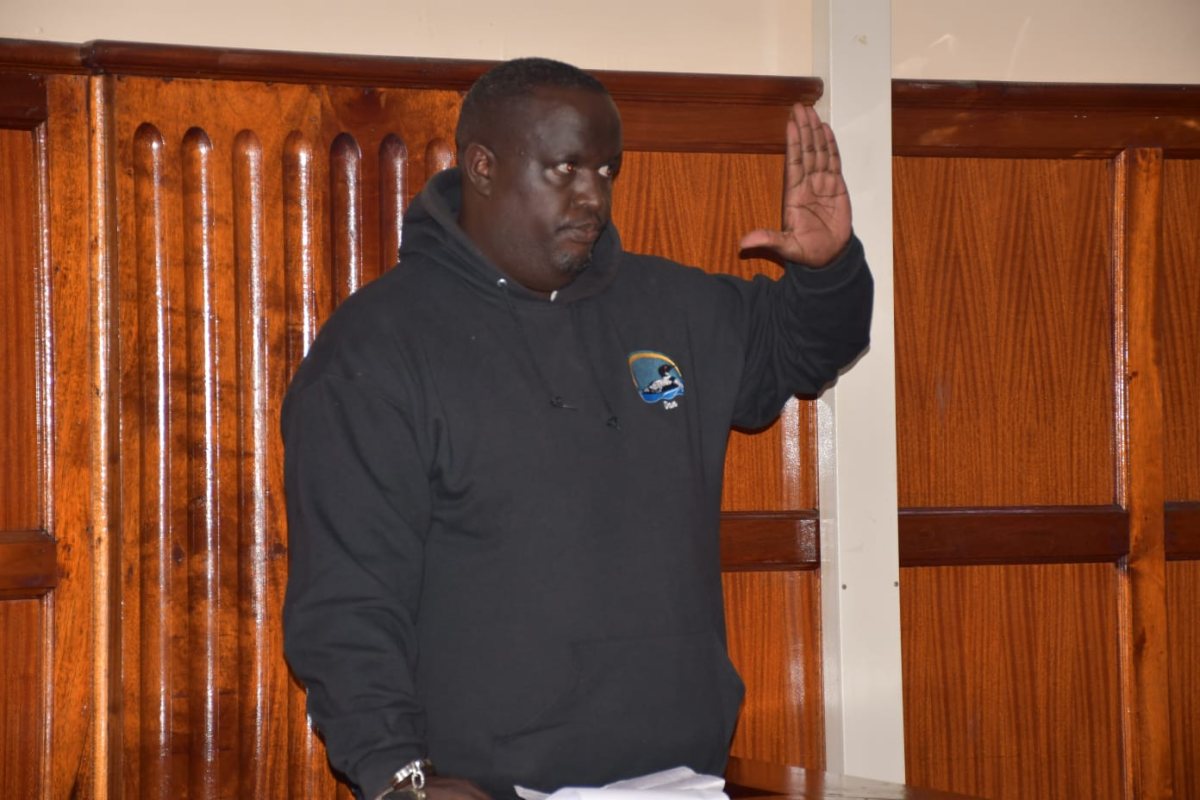
AP officer charged over Ksh1.5m Kenya Prisons jobs scam, denies charges
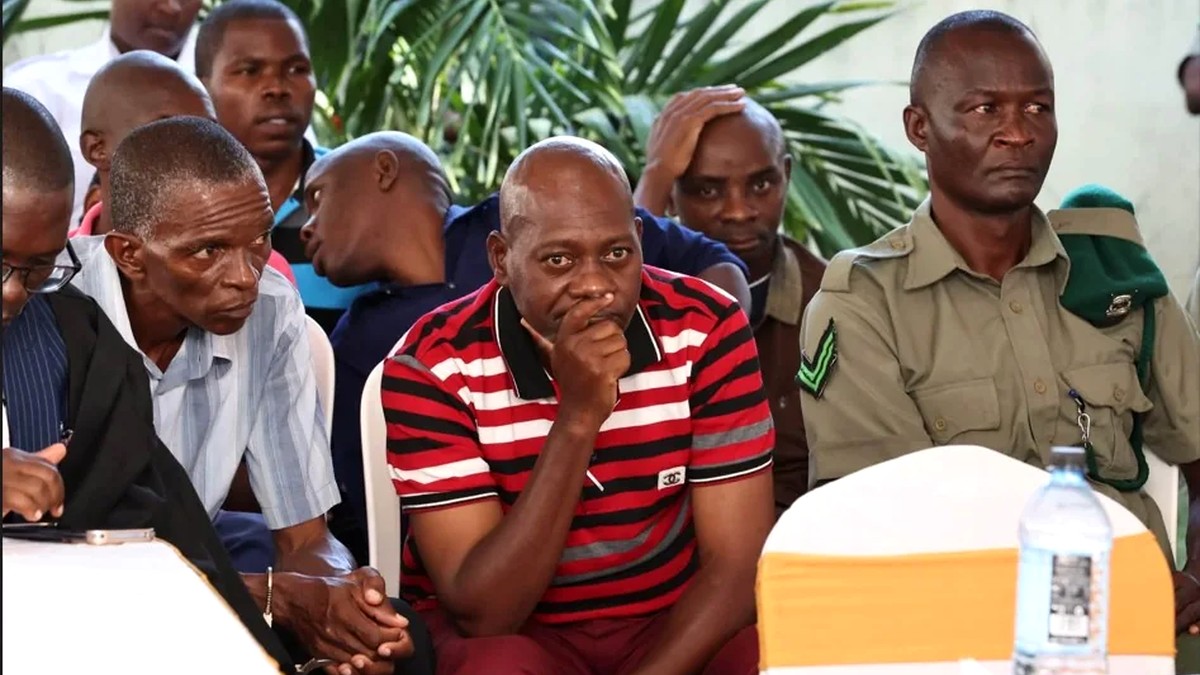
Kwa Binzaro trial: Inmate's SIM card was used to send money to Mackenzie, court hears

Agnes Kagure pitches TVET overhaul as answer to youth unemployment in Nyeri

High Court orders IG Kanja to restore Governor Natembeya's security detail

Global Community Remarks
0