
UK reopens Seasonal Worker visa with 41,000 farm slots open to Kenyans

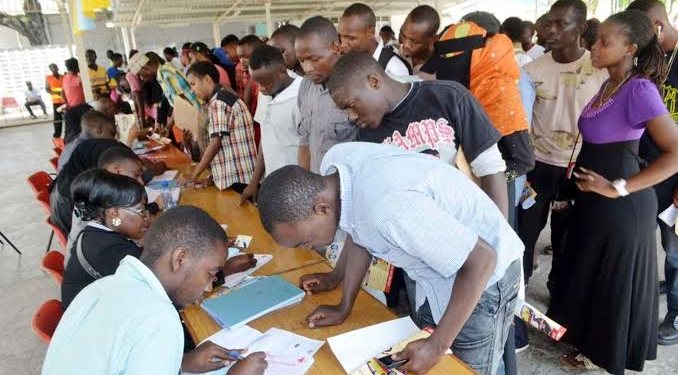
The United Kingdom has reopened its Seasonal Worker visa programme, giving foreign nationals, Kenyans among them, the chance to take up temporary farm jobs lasting up to six months, according to Tuko.
The scheme is meant to ease labour shortages on British farms during peak harvest periods and the Christmas poultry season. It runs only through government-approved scheme operators.
For the 2026 and 2027 seasons, the yearly quota is 41,000 places in horticulture and 1,900 in poultry. The programme has also been extended to 2029 to give growers and operators more certainty when planning.
Which jobs qualify
Two sectors are covered. Horticulture roles involve a wide range of produce, including soft fruits such as strawberries, orchard crops, mushrooms, cut flowers and tree nurseries.
The poultry route lists twelve specific roles, among them butcher, poultry processor, poultry catcher and food operative. It is limited to workers arriving between 2 October and 31 December each year, and applications close no later than 15 November.
Pay and costs
Agricultural workers aged 21 and above in the UK earn a national minimum wage of £12.71 an hour, roughly KSh 2,270. Tuko compared this with Kenya's general minimum wage of about KSh 15,200 a month.
However, the costs of getting there are significant. Applicants must pay a visa fee of £340, about KSh 61,200, and show they have held at least £1,270, around KSh 227,700, in savings for at least 28 consecutive days, unless their sponsor certifies maintenance.
Workers must also pay for their own flights. Where farms provide housing, about £77 (KSh 13,800) a week is typically deducted from wages.
Because of the visa's short duration, no immigration health surcharge is charged.
Conditions attached
Holders of the visa are tied to the job named in their certificate of sponsorship. They cannot access public funds and are not allowed to bring family members.
Government recruitment drive
The Kenyan government has been promoting the route through its Mkulima Majuu programme. Under the initiative, the State Department for Diaspora Affairs is working with HOPS Labour Solutions and the Youth Enterprise Development Fund to recruit from agricultural colleges and polytechnics, including Bukura Agricultural College and Sigalagala National Polytechnic.
Exploitation concerns
Labour rights researchers have repeatedly warned that the scheme's design leaves workers vulnerable. Since workers depend on a single sponsoring operator for both their job and, often, their accommodation, critics point to a power imbalance between employer and employee.
A 2026 academic study cited by Tuko found that the visa's structure, combined with the end of EU freedom of movement, led to heightened risks of labour exploitation. The study also noted that some workers had paid fees to secure placements.
Advocacy groups have cautioned that debts taken on during recruitment, together with the tie to one employer, raise the risk of modern slavery.
Avoiding fraud
Kenyans interested in the jobs are advised to deal only with licensed scheme operators. These operators issue the certificate of sponsorship needed to submit an online visa application.
Any agent who promises a visa without providing that certificate should be treated as a possible fraudster, Tuko reported.
This story was prepared by the Hamasta Newsdesk with AI assistance, based on reporting by Tuko. Read the original report. Photo: Tuko.





Show the impact of your work.
Impact stories, campaign videos and community engagement for NGOs and programmes.

More in Business
See all
UK Sets Aside 42,900 Seasonal Work Visas for 2027: What Kenyan Applicants Need

MPs back ratifying ILO pacts for domestic workers as Labour PS says Kenya must stop selling 'cheap labour'

Saudi Arabia says Kenya labour annex covers only domestic workers and drivers

Australia Opens Permanent Residency Route for Kenyans in Three Aged Care Jobs

Australia to bar visitor visa holders from switching to work, study visas from Nov 28
Global Community Remarks
0