
MPs back ratifying ILO pacts for domestic workers as Labour PS says Kenya must stop selling 'cheap labour'

The National Assembly's Labour Committee has backed a government proposal to ratify two International Labour Organization (ILO) conventions protecting domestic workers and employees facing workplace violence, as MPs raised alarm over poor pay in export processing zones (EPZs) and private homes.
The State Department for Labour and Skills Development wants Kenya to ratify ILO Convention 189, on decent work for domestic workers, and Convention 190, on violence and harassment at work. Domestic workers' groups have pushed for ratification of Convention 189 for more than a decade.
'Stop marketing cheap labour'
Appearing before the committee, Labour PS Shadrack Mwadime said ratification would give labour inspectors a firm legal basis to enforce fair conditions, and admitted the contradiction of courting investors with low wages while employers ignore workers' rights. Kenya, he said, must stop marketing itself as a destination for cheap labour.
Commissioner for Labour Hellen Apiyo said the conventions would close gaps on freedom of association, written contracts, forced labour and social security cover through the NSSF and the Social Health Authority.
According to figures presented during the session:
- More than two million domestic workers face poor pay, little social security and no written contracts
- Some households fail to pay the gazetted minimum of about Sh18,000 for domestic workers in major towns
- Some EPZ employees earn as little as Sh8,000 a month on 12-hour shifts, with overtime of Sh80 to Sh100 an hour
MPs question inspectors
Committee chairperson Ken Chonga asked why wages remained so low in Mtwapa, Kilifi County, where municipal status should attract higher minimum rates. "What are our Labour Officers doing?" he asked. Another member noted that officers had visited Kilifi EPZs a week earlier and filed reports, yet poor conditions persisted.
Cost and next steps
Treasury economist Dennis Olila told the committee ratification is expected to cost Sh104.9 million over three years, covering public participation, legal drafting and the setting up of a Domestic Wages Council and a Migrant Workers Welfare Fund. The government expects about Sh3 billion in support from development partners.
Officials also warned that many senior labour officers are due to retire next year after a 20-year recruitment freeze, a gap likely to weigh on enforcement. The committee was further briefed on labour migration deals nearing signature with Canada's New Brunswick province, Jordan, Oman, Saudi Arabia, Ireland and South Korea.
Once ratified, Kenya would be bound to align its labour laws with the conventions and report regularly to the ILO on compliance.
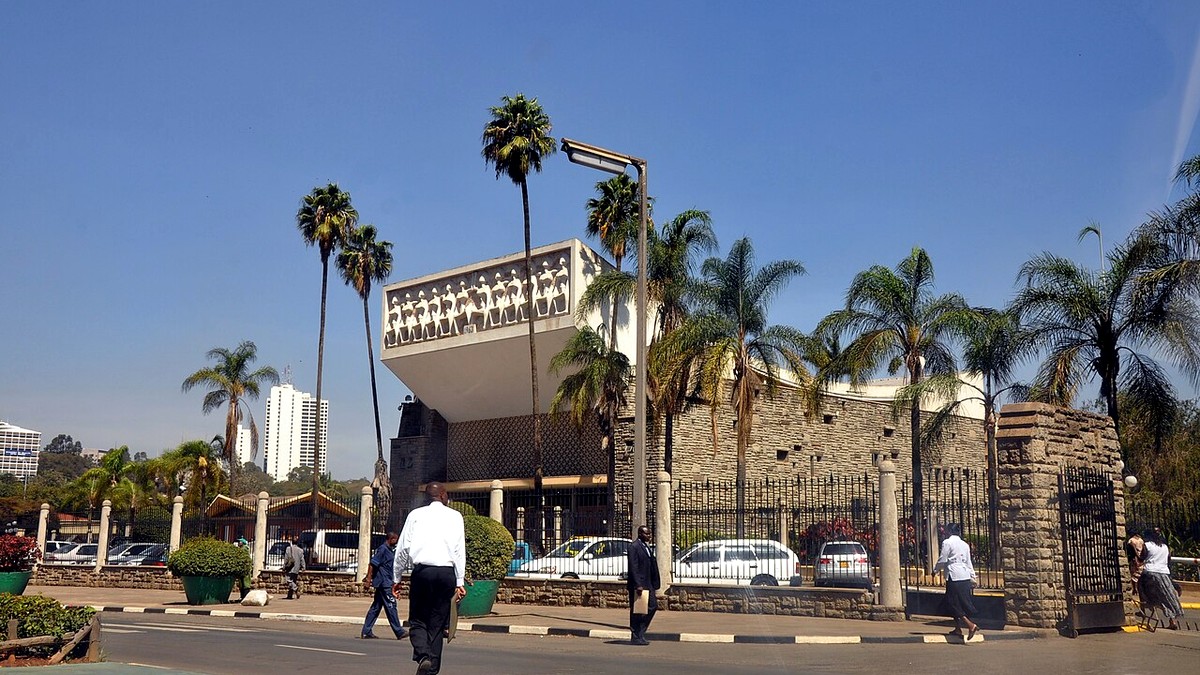
Photos: Parliament Buildings, Nairobi by Jorge Lascar, Wikimedia Commons (CC BY-SA 2.0). Thumbnail design: HAMASTA MEDIA.


Take your event live to thousands.
Multi-camera live streams, panel discussions and digital broadcasts with professional crews.




More in Business
See all
Why a litre of petrol costs Sh227: inside Kenya's fuel price squeeze
Kenya's Sh13.48 trillion debt: Where the money goes and what it costs you
Equity Bank backs Sh13bn Galana-Kulalu maize expansion as Selu reports yields of 35 bags an acre

Digital farm advice reaching 8.5 million smallholders at risk as donor money dries up, AgriFin forum warns
Muhoroni, Chemelil cane farmers reject Ichung'wah's Crops Bill, say new KADCO lender will bring back cartels
Kenya imports 60% of its potato products, Kagwe tells World Potato Congress as he courts processors
Global Community Remarks
0