
Pesalink earns basic inclusivity rating after launching till and paybill payments
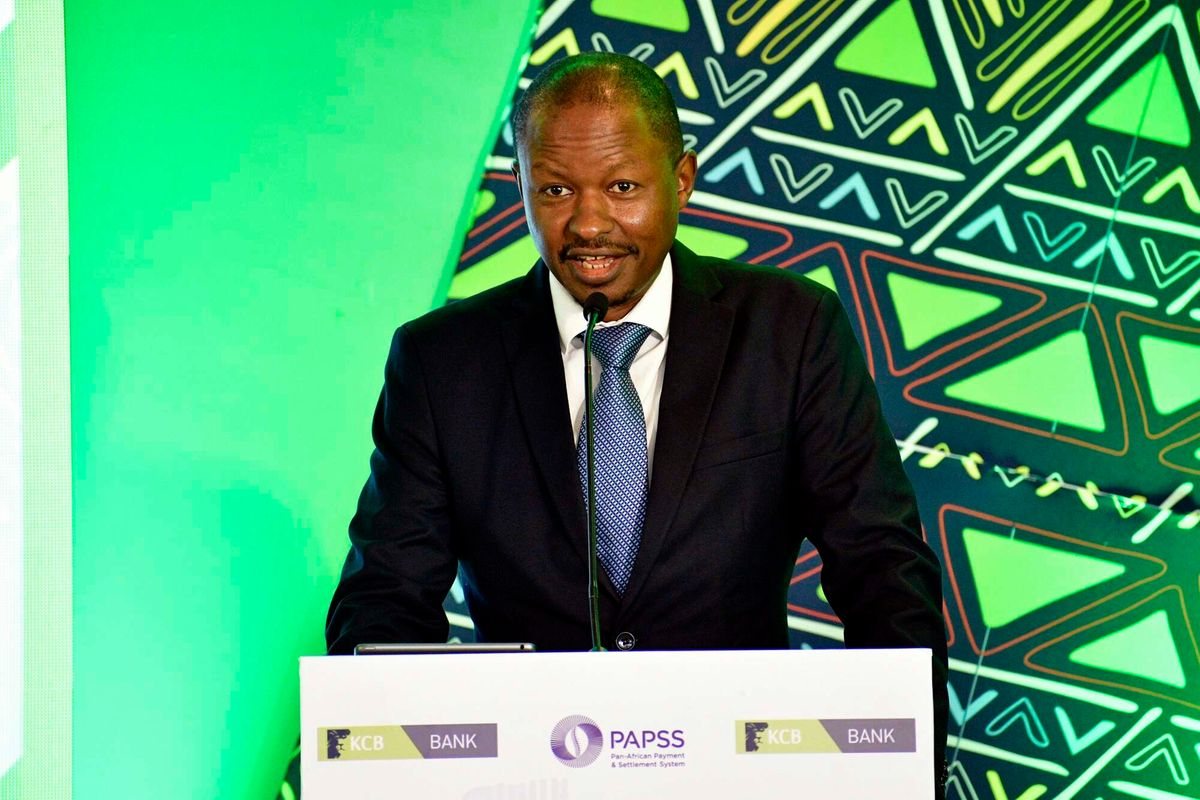
Kenya's instant payment platform Pesalink has been classified as having attained basic inclusivity, after it began letting users pay businesses directly using till numbers, paybills and QR codes, according to Business Daily.
The move positions the bank-backed system as a more direct competitor to M-Pesa in merchant payments, and is seen as a step towards cheaper digital payments in the country.
Pesalink now joins 31 instant payment systems on the continent that have reached the minimum inclusivity threshold, based on rankings compiled by the AfricaNenda Foundation, a body that campaigns for inclusive instant payment systems.
First-time ranking
The platform had previously been left out of the rankings altogether. It lacked a person-to-business payment option and was open only to banks, Business Daily reports.
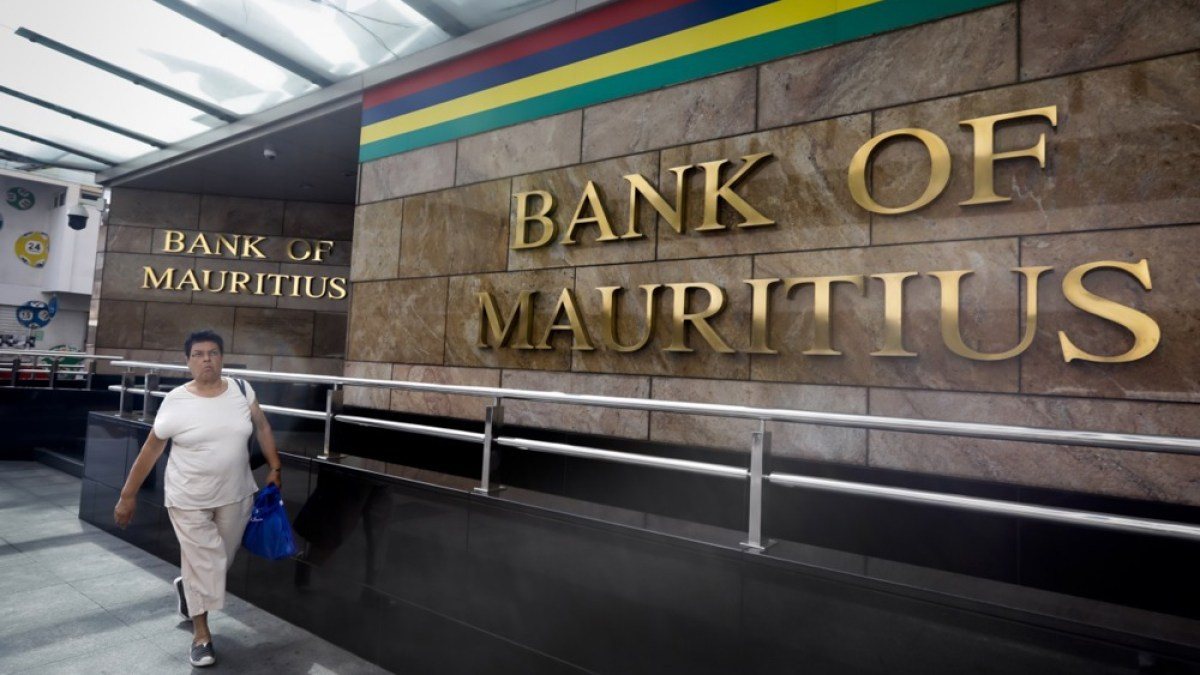
The new status was announced in Balaclava, Mauritius, at the launch of the fifth State of Inclusive Instant Payment Systems in Africa report for 2026, which monitors how payment systems across Africa are developing.
AfricaNenda defines an inclusive payment system as one that lets users make affordable, instant digital payments across different financial service providers, through accessible channels and for a wide variety of purposes.
Sabine Mensah, AfricaNenda's chief executive and the report's lead author, told Business Daily that the launch of till and paybill services filled the last gap Pesalink needed to reach the lowest inclusivity tier. She cautioned, however, that much work remains.
"For Pesalink, it is the introduction of merchant payments that enabled it to progress to the basic inclusivity level," Ms Mensah said.
She added that Pesalink's earlier integration with mobile money platforms had already opened up interoperability across different services.
From bank transfers to merchant payments
Pesalink began as a service allowing bank customers to move money digitally between accounts. It has since grown to support transfers among banks, Saccos and mobile money platforms.
Until this year, however, it handled only person-to-person, person-to-government and business-to-business transactions. The missing person-to-business option is considered essential for any payment service.
Pesalink chief executive Gituku Kirika told Business Daily that the new service lets consumers pay businesses directly from their bank, Sacco or mobile money account. Participating financial institutions and telecommunications companies will be responsible for signing up customers and merchants.
Mr Kirika said the aim was to make merchant payments simpler for both shoppers and traders, whether through a short merchant alias such as a till number, a paybill or a QR code.
Where Pesalink stands in Africa
AfricaNenda's framework places systems in three broad tiers: basic, progressed and mature. Besides Pesalink, 17 other systems sit in the basic category.
Eleven systems are rated as progressed, including Rwanda's eKash and the Tanzania Instant Payment System (TIPS). To reach this level, a system must go beyond basic person-to-person and person-to-business transactions and open its network to all licensed payment service providers, including banks, mobile money operators and fintechs. It must also show inclusive governance that gives participants a say in decisions, with the central bank involved in oversight.
The mature tier, the desired end point, requires systems to support a wide range of transactions, including government and cross-border payments, keep costs as low as possible and maintain effective consumer protection and dispute-resolution mechanisms.
Only Nigeria's NIBSS Instant Payment (NIP) has so far achieved full maturity, according to the report.
The basic classification therefore puts Pesalink at the start of the road towards maturity, which AfricaNenda associates with widespread adoption and affordable payments.
This story was prepared by the Hamasta Newsdesk with AI assistance, based on reporting by Business Daily. Read the original report. Photo: Business Daily.


Take your event live to thousands.
Multi-camera live streams, panel discussions and digital broadcasts with professional crews.




More in Business
See all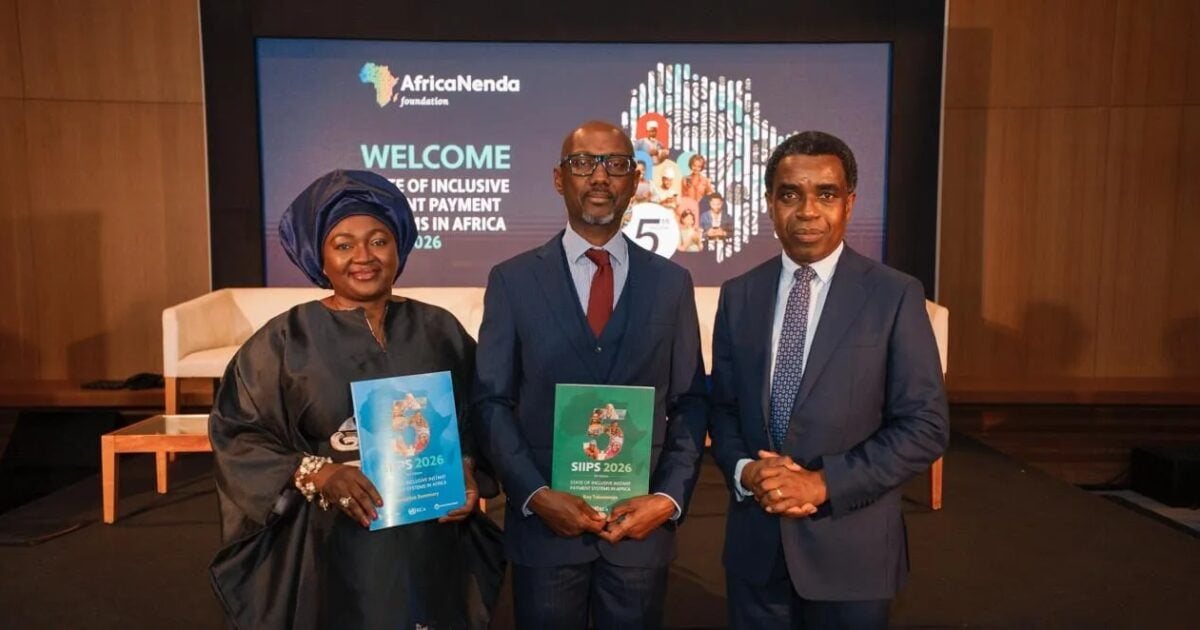
Africa's instant payments hit 71.4bn transactions, but trust gaps slow uptake
Kenyan-built Cyzora Pay aims to make accepting M-Pesa a one-call job for developers
KRA to comb payroll records and mobile money tills after Sh132bn revenue shortfall

Safaricom Warns Customers Against Unsolicited M-Pesa PIN Prompts as Fraud Losses Soar
From tomorrow: Card machine, till and Paybill charges to attract 16% VAT as banks enforce new tax
Global Community Remarks
0