
Bangladesh garment workers reject employers' pay offer as wage protests continue
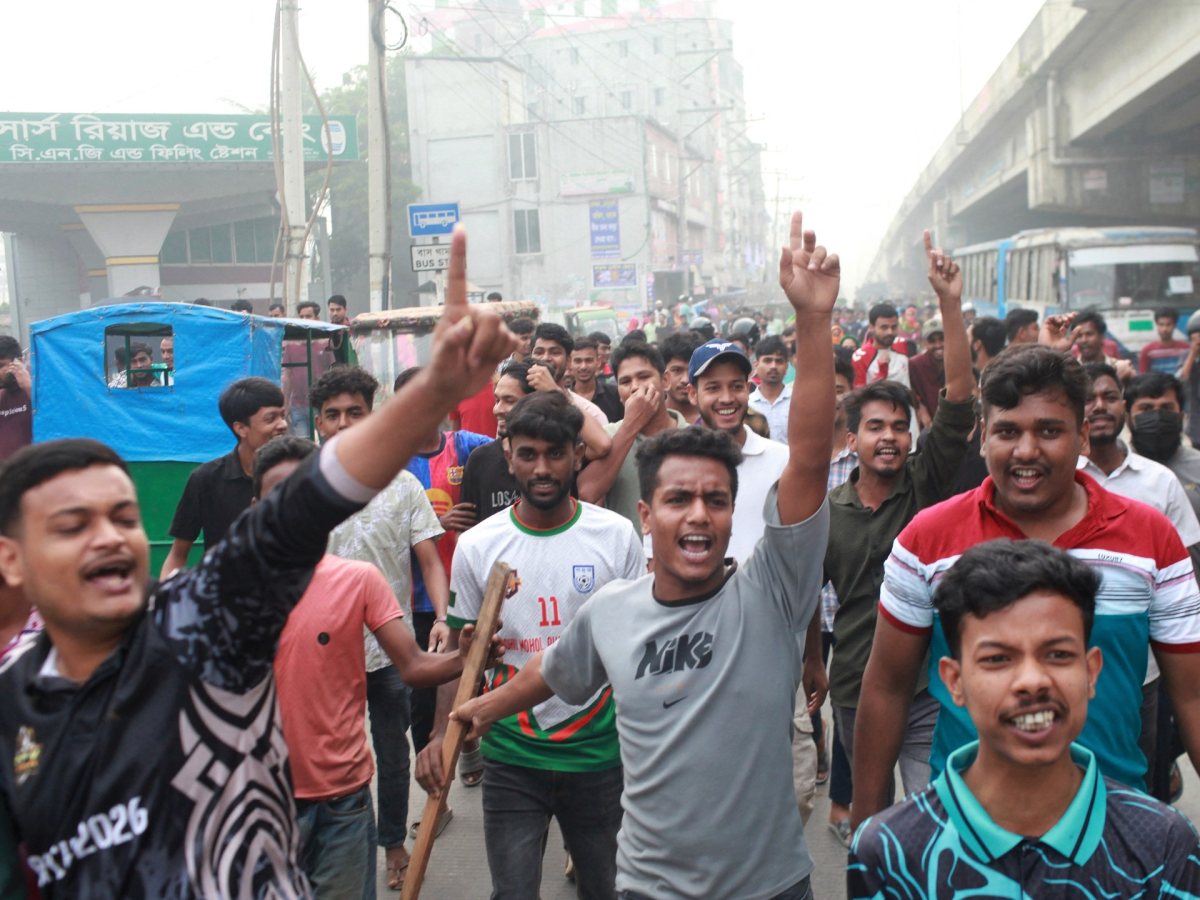
Representatives of garment workers in Bangladesh have turned down a minimum wage proposal from factory owners, a move that points to further unrest in an industry already hit by weeks of strikes and protests, according to Al Jazeera.
Employers tabled their offer on Monday at a meeting called by the government-appointed wage board. Worker representatives dismissed it as inadequate.
Babul Akhter, who sits on the board on behalf of workers, told reporters after the talks that the offer "falls far short of what we have been demanding", the AFP news agency reported.
Offer kept under wraps
The wage board did not make the exact figure public. However, its chairman, Judge Syed Azad Subhani, said the proposed monthly minimum was above 14,500 taka, or about $116.
That is well below what workers formally asked for. Their representatives have proposed 32,000 taka ($258) a month for the lowest regular pay grade and 30,000 taka ($241) for apprentices.
The current minimum wage stands at about 12,500 taka ($100) per month. Unions are seeking a rise of roughly 140 percent.
Rising costs fuel anger
Workers argue that their pay has not kept pace with the growing cost of food, housing, transport and healthcare.
Frustration has deepened after employers shut down around 500 factories. Bangladesh's labour laws include a "no work, no pay" provision, which allows owners to halt operations and stop paying wages when production is disrupted.
Protests have spread across the country since October. Strikes have interrupted output at factories nationwide, with around 500 of the country's more than 4,000 clothing factories closed.
Heavy toll on a key industry
The stakes are high for the South Asian nation. Bangladesh is the world's second-largest garment exporter after China. The sector earns about $38 billion a year, employs some four million people and accounts for roughly four-fifths of the country's export earnings.
The Bangladesh Garment Manufacturers and Exporters Association estimates that 317 factories lost $428 million in production between November 1 and 18.
Echoes of the last review
The dispute recalls the previous wage review in 2023. At the time, labour groups campaigned for a monthly minimum of at least 23,000 taka ($185). The government instead fixed it at 12,500 taka.
Unions rejected that figure at first but eventually accepted it.
With Monday's talks ending without agreement, there is no clear sign of when the deadlock will be broken. The gap between what employers have put forward and what workers are demanding remains wide, suggesting the strikes that have disrupted the industry could carry on.
This story was prepared by the Hamasta Newsdesk with AI assistance, based on reporting by Al Jazeera. Read the original report. Photo: Al Jazeera.

Tell your story on screen.
Commercials, documentaries, interviews and social video, from script to final cut.





More in International
See all
US lawmakers push for $25 federal minimum wage and end to tipped pay system
Bangladesh deploys troops as violence flares over Hasina's blocked return

US plans tougher green card sponsorship rules for employers hiring foreign workers
MPs back ratifying ILO pacts for domestic workers as Labour PS says Kenya must stop selling 'cheap labour'
Kuwait Sets 18 as Minimum Working Age for Citizens and Foreign Jobseekers
Global Community Remarks
0