
57% of Kenyans fear arrest or violence if they join protests, Afrobarometer finds
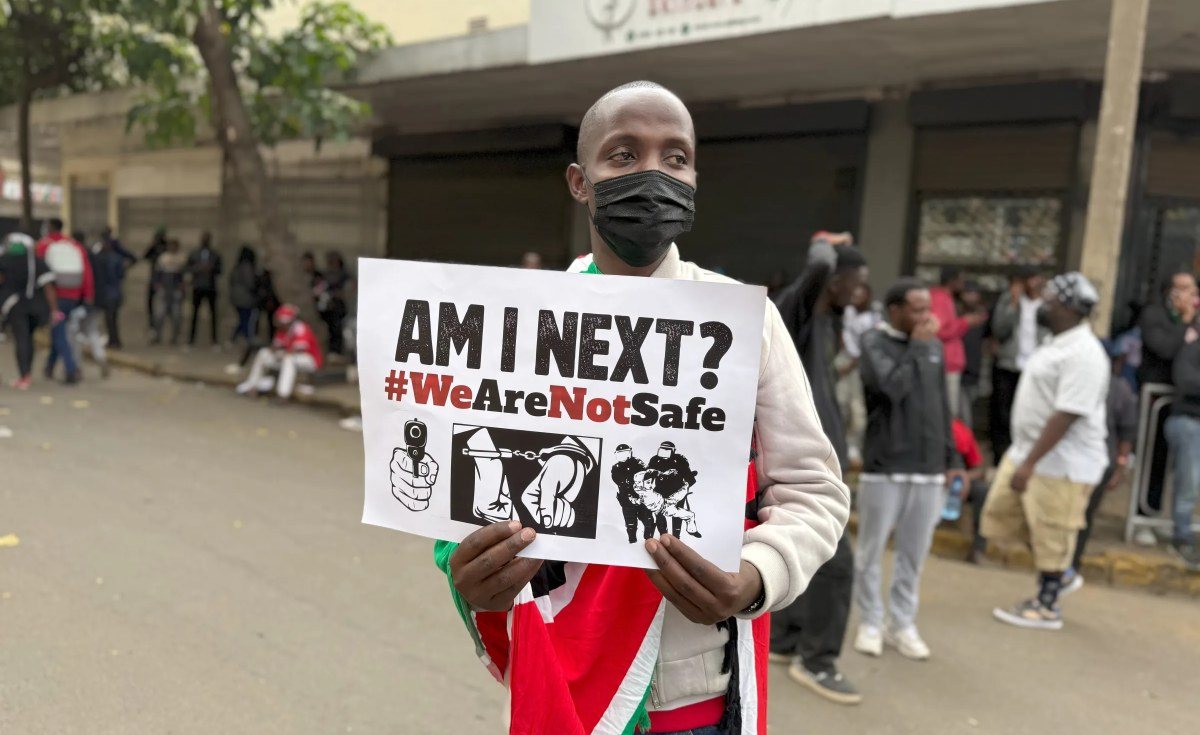
More than half of Kenyans say they would fear intimidation, arrest or violence if they took part in public protests, according to new Afrobarometer survey findings reported by allAfrica Kenya.
The survey found that 57 per cent of respondents do not feel free to demonstrate without fear of repression. Only 42 per cent said they felt somewhat or completely free to protest.
The pan-African research network summed up the finding plainly in its news release:
"A majority of Kenyans say they fear intimidation, arrest, or violence if they participate in public protests."
Free to speak, less free to assemble
The results point to a gap between two constitutional freedoms. While 65 per cent of Kenyans said they feel free to express their opinions, far fewer feel the same about gathering to protest.
Police conduct during demonstrations drew strong criticism. Some 62 per cent of respondents said police use of force to maintain order during protests is unjustified, compared with 37 per cent who considered it justified.
Asked who is mainly responsible for violence at demonstrations, 53 per cent blamed hired troublemakers, commonly called "goons". A further 29 per cent blamed the police and 16 per cent pointed to protesters.
Opinion is split on whether protests should be permitted even when they sometimes turn violent, with 51 per cent in favour and 45 per cent against.
Doubts over government response
Only 37 per cent of respondents believe the authorities take seriously the grievances raised through protests. The remaining 63 per cent said the government gives such concerns little or no attention, including 31 per cent who said they are not taken seriously at all.
The findings follow the 2024 Gen Z-led demonstrations against the Finance Bill. About 51 per cent of Kenyans said those protests had changed their views on using demonstrations to influence government decisions.
Abductions and extrajudicial killings
Beyond protests, 53 per cent of respondents said the government is not committed to protecting human rights for all citizens, against 42 per cent who said it is.
Some 56 per cent said police often or always use excessive force against suspects in custody. On reported abductions, 66 per cent named the police or other state security agencies as primarily responsible, while 26 per cent blamed criminal gangs.
An overwhelming 92 per cent said the government must do more to investigate and prevent abductions and extrajudicial killings, with 68 per cent calling for "a lot more" action.
Confidence in the courts was low: just 34 per cent believed victims of extrajudicial killings and their families could obtain justice, while 65 per cent had little or no confidence.
Declining faith in democracy
The share of Kenyans who see the country as a full democracy or a democracy with minor problems has fallen to 54 per cent, from a high of 68 per cent in 2019. Satisfaction with how democracy is working also dropped to 46 per cent, from 59 per cent in 2019.
Over the previous five years, 53 per cent had worried that democracy was under threat. Of these, 40 per cent had discussed their concerns with others or on social media, 29 per cent had attended meetings on the issues, one in five had joined pro-democracy demonstrations and 19 per cent had contacted elected leaders.
About the survey
The findings come from Afrobarometer's Round 11 survey. In Kenya, the work was led by the Institute for Development Studies at the University of Nairobi, with researchers Paul Kamau and Karuti Kanyinga presenting the results at the university.
The team conducted face-to-face interviews with 2,400 adult Kenyans in their preferred languages. The nationally representative sample was split equally between men and women, with about 65 per cent from rural areas. Afrobarometer says the results carry a margin of error of plus or minus two percentage points at a 95 per cent confidence level.
This story was prepared by the Hamasta Newsdesk with AI assistance, based on reporting by allAfrica Kenya. Read the original report. Photo: allAfrica Kenya.




Know what people say about you.
Media monitoring, audience insights and strategic communication for your brand.


More in Politics
See all
Kenya faces 84.1% risk of election violence as rights report warns of democratic backsliding before 2027

Two weeks left for victims of police brutality to file compensation claims as Mutua panel eyes extension

KHRC logs 284 election-related violence cases in seven months, Nairobi tops list as police dispute findings
French parliament passes law presuming police self-defence when officers fire weapons
Young Europeans plan coordinated cost-of-living protests across more than 25 countries

Global Community Remarks
0