
Mbadi Orders Review of PAYE, VAT, Fuel Excise and Corporate Tax Ahead of Finance Bill 2027

Treasury Cabinet Secretary John Mbadi has ordered a review of four major taxes, Personal Income Tax, Value Added Tax (VAT), petroleum excise duty and corporate taxation, as the National Treasury begins preparing the Finance Bill 2027, according to Kenyans.co.ke.
The directive follows recommendations from various groups and forms part of a broader government effort to understand how different taxes affect workers, businesses and ordinary Kenyans. The findings are expected to inform possible changes to the country's tax system.
Research presented at Nairobi workshop
The review was triggered by research papers tabled at a stakeholder workshop in Nairobi on Tuesday, November 24. The studies examined the four tax categories as well as electronic invoicing through the Kenya Revenue Authority's eTIMS system and informal payments.
After the presentations, Mbadi instructed technical teams at the Treasury to study the recommendations and identify proposals that may need changes or improvements.
The teams are expected to compile the proposals into a policy review matrix. For each recommendation, the matrix will set out the supporting evidence, any further research needed and the government institutions responsible for implementation.
Wider tax reform agenda
The move comes as the Treasury works on several fronts. Besides drafting the Finance Bill 2027, it is reviewing Pay As You Earn (PAYE) taxation and developing the second Medium-Term Revenue Strategy (MTRS), which will guide revenue collection policy in the coming years.
Speaking at the workshop, Mbadi said the government's aim was to raise more revenue without placing excessive strain on households or discouraging businesses from investing, expanding and creating jobs.
"How do we raise revenue without disincentivising investment and growth of enterprises?" Mbadi asked.
He framed the challenge as one of balancing the need to fund better public services against the pressure that taxes place on household incomes.
What the studies will examine
According to the CS, the PAYE review will look at how personal income tax affects workers in different income brackets. It will also consider how existing exemptions and tax reliefs shape the disposable income that employees take home.
The research will further assess income inequality and whether various groups of taxpayers are contributing fairly in line with their earnings and ability to pay.
Other areas of focus include:
- The impact of VAT on consumers and businesses
- The effect of petroleum excise duty on households and enterprises
- How corporate tax obligations influence investment and business growth
Public trust in tax spending
Mbadi also stressed that taxpayers must see value for their money. He said the government has a duty to ensure Kenyans receive essential services in return for the taxes they pay, adding that public confidence depends on how responsibly collected revenue is used.
Tax measures have been a sensitive matter in Kenya in recent years, with finance bills attracting intense public debate. The latest review signals that the Treasury intends to ground its next set of proposals in research and stakeholder input before they are tabled.
It remains unclear which of the recommendations will ultimately be adopted in the Finance Bill 2027. The Treasury's technical teams are expected to present their policy review matrix as part of the preparatory process.
This story was prepared by the Hamasta Newsdesk with AI assistance, based on reporting by Kenyans.co.ke. Read the original report. Photo: Kenyans.co.ke.
Tell your story on screen.
Commercials, documentaries, interviews and social video, from script to final cut.





More in Business
See all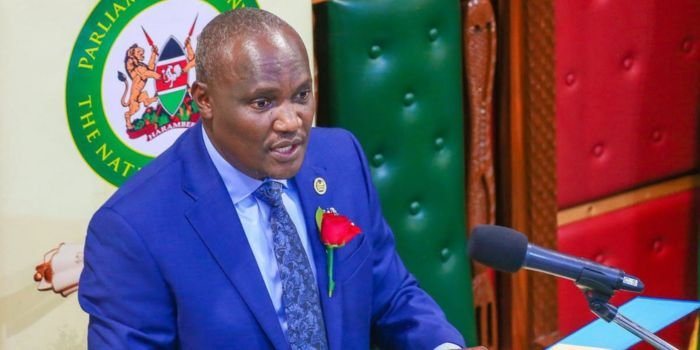
Mbadi Says PAYE Relief Bill Heads to Parliament Next Week After AG Review

Treasury Under Fire as CS Mbadi Faces MPs Over KSh 1.1 Trillion Deficit and Controversial 16% M-Pesa VAT
Bankers push for PAYE cut for all workers as Ruto targets low earners

'We did not use the funds last month so we can use them this month': Mbadi signals pump price relief in November 15 review

Low earners and lecturers face February wait for tax relief and pay rise, says Mbadi
Global Community Remarks
0