
Most US voters want Iran war ended now, whatever the terms, new poll shows
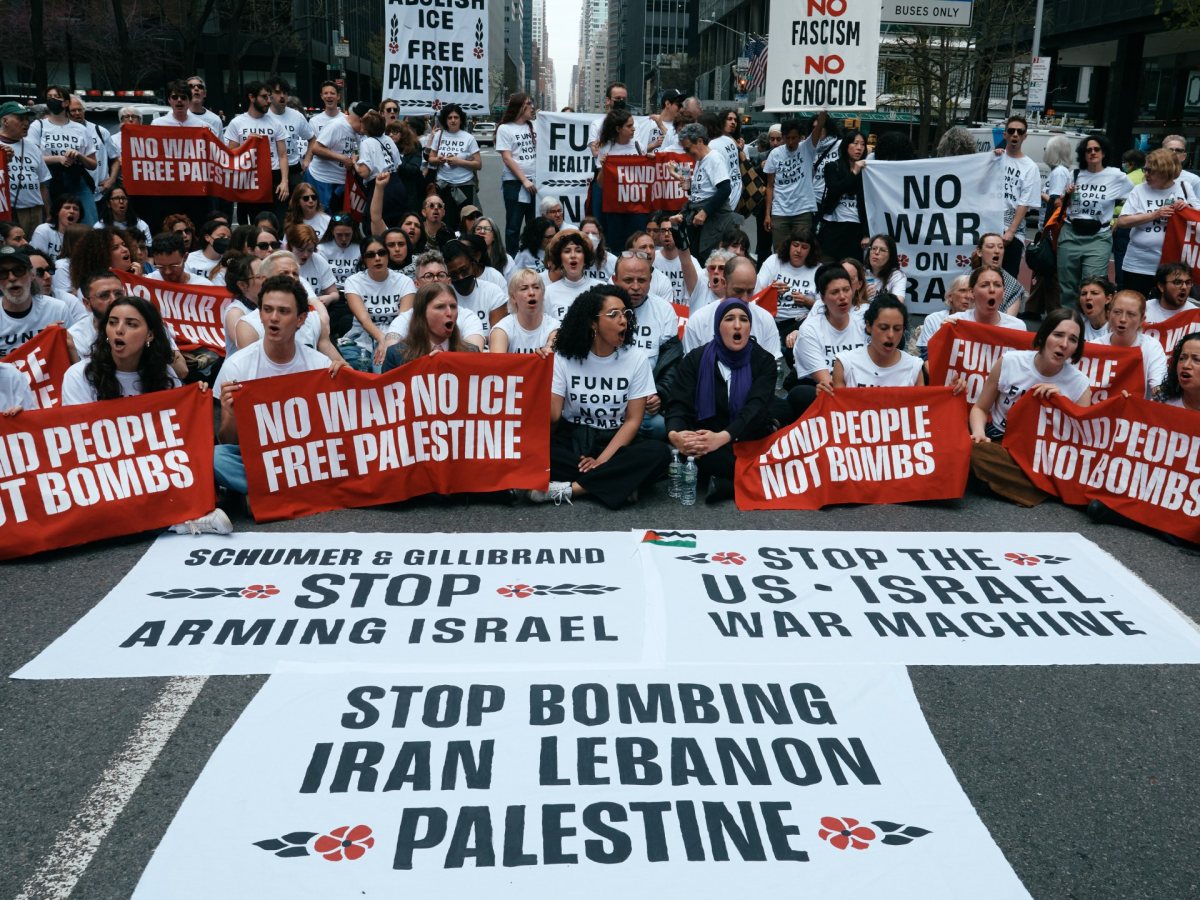
A majority of voters in the United States want the US-Israel war on Iran brought to an immediate close, even if that means settling for less favourable conditions, according to a new survey reported by Al Jazeera.
The latest Critical Issues Poll, published on Tuesday by the University of Maryland and research firm Ipsos, found that 55 percent of respondents backed ending the war "now, regardless of the terms".
Sharp partisan divide
Support for an immediate end was strongest among Democrats, at 80 percent, followed by independents at 59 percent. Roughly a quarter of Republicans held the same view.
Many Democratic voters also favour using pressure on President Donald Trump's administration to halt the fighting. According to the poll, 53 percent of Democrats would support Congress withholding money for military operations, while 51 percent would back cutting off Iran war funding in coming budget talks, even at the risk of a government shutdown.
The survey questioned 1,022 US adults. Asked to choose between ending the conflict immediately, escalating militarily, or staying the current course to win concessions from Tehran, only 21 percent picked the current path and 18 percent chose escalation.
Shibley Telhami, the poll's principal investigator, told Al Jazeera he was surprised by how many people would accept any terms to stop the war. He said researchers already knew of strong opposition to the conflict but were less certain what the public would be prepared to accept to end it.
"Clearly, the public mood is to end it now, whatever it takes," Telhami said.
Doubts over nuclear rationale
Respondents also appeared unconvinced by Washington's case for the war, which includes dismantling Iran's nuclear programme. Only 28 percent believed the conflict had left Iran less able to develop nuclear weapons.
Al Jazeera noted that while the US has long expressed concern that Iran could seek nuclear arms, intelligence assessments have not found evidence that Tehran has authorised such a move since it abandoned its weapons programme in 2003.
Strait of Hormuz and fuel prices
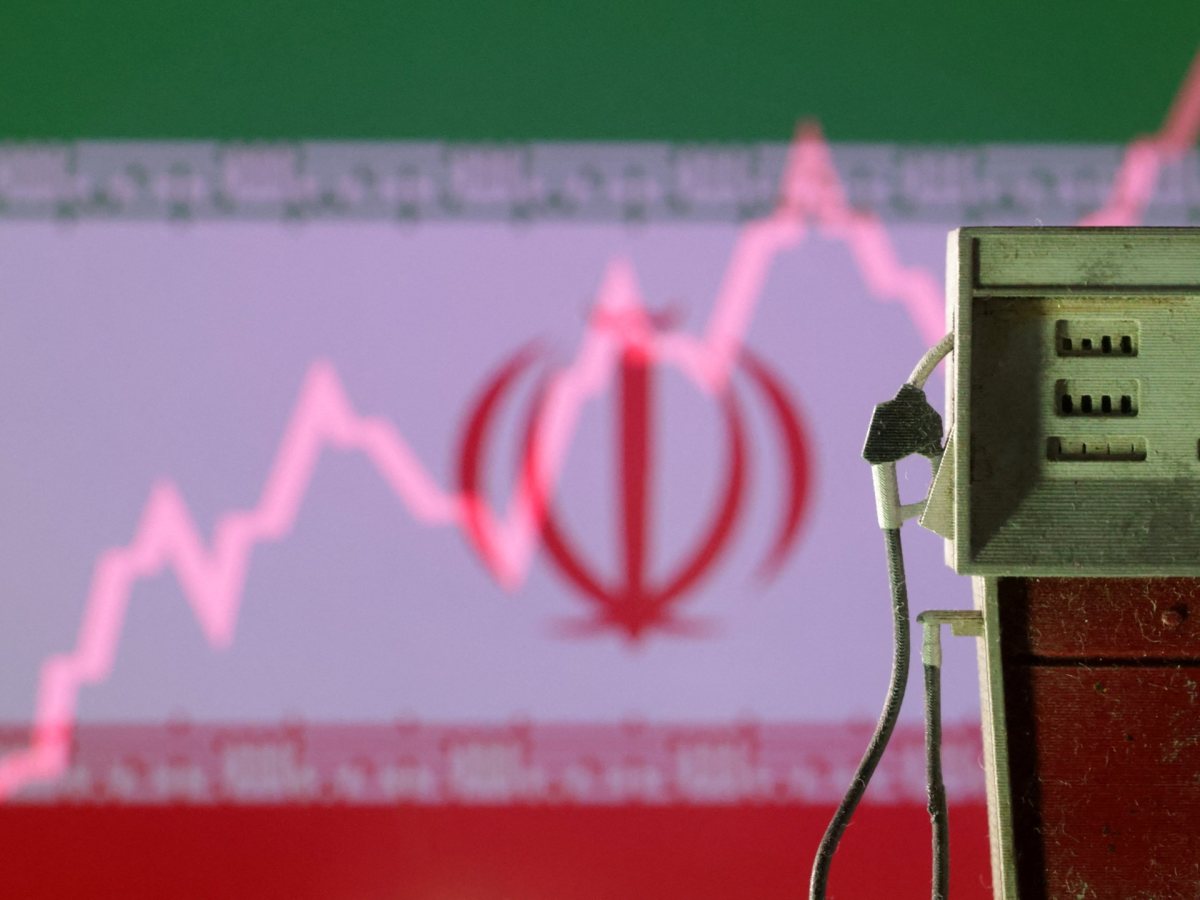
The Strait of Hormuz has become a central issue. Iran shut the waterway to commercial shipping early in the war, and the Trump administration answered with a naval blockade. About a fifth of the world's oil supply passes through the strait, and fuel prices have climbed as a result of the fighting.
Around 35 percent of those polled said they believed Iran now controls the strait, compared with just 12.7 percent who said the US does.
Democrats divided on strategy
The findings arrive as the Democratic Party argues over how forcefully to push for an end to the war. Opposition to the conflict, alongside rising fuel costs, helped the party make major gains in the recent midterm elections, in which Trump's Republicans lost control of both chambers of Congress.
The party's anti-war left has cited those results as evidence that voters want the war stopped and US support for Israel ended, putting them at odds with the more hawkish establishment wing.
Leaders including Representative Hakeem Jeffries and Senator Chuck Schumer have voiced support for ending the war but have not committed to tougher tactics, such as cutting off funding for operations against Iran or using a funding battle expected in December to press the White House.
Telhami warned that many Democratic figures were underestimating the strength of public feeling and risked being "left behind" if they failed to adapt. He pointed to Senators Bernie Sanders and Chris Van Hollen as among those urging a more assertive approach.
Van Hollen, who is challenging Schumer for leadership of the Democratic majority in the Senate, has used the war to cast the party's moderate leadership as out of touch. The poll found Democratic voters prefer Van Hollen to Schumer by nearly three to one.
This story was prepared by the Hamasta Newsdesk with AI assistance, based on reporting by Al Jazeera. Read the original report. Photo: Al Jazeera.

Tell your story on screen.
Commercials, documentaries, interviews and social video, from script to final cut.





More in International
See all
Iran holds talks with Qatari mediators, sets terms for reopening Strait of Hormuz

Iran shows off dual-missile launcher and underground 'missile city' amid US blockade
Iran weighs nuclear doctrine shift as war with US and Israel drags on

Iranian courts order US to pay $290 billion in damages for decades of actions
Iran rejects CNN report of alleged 'dirty bomb' plot targeting Washington
Global Community Remarks
0