
Iran shows off dual-missile launcher and underground 'missile city' amid US blockade
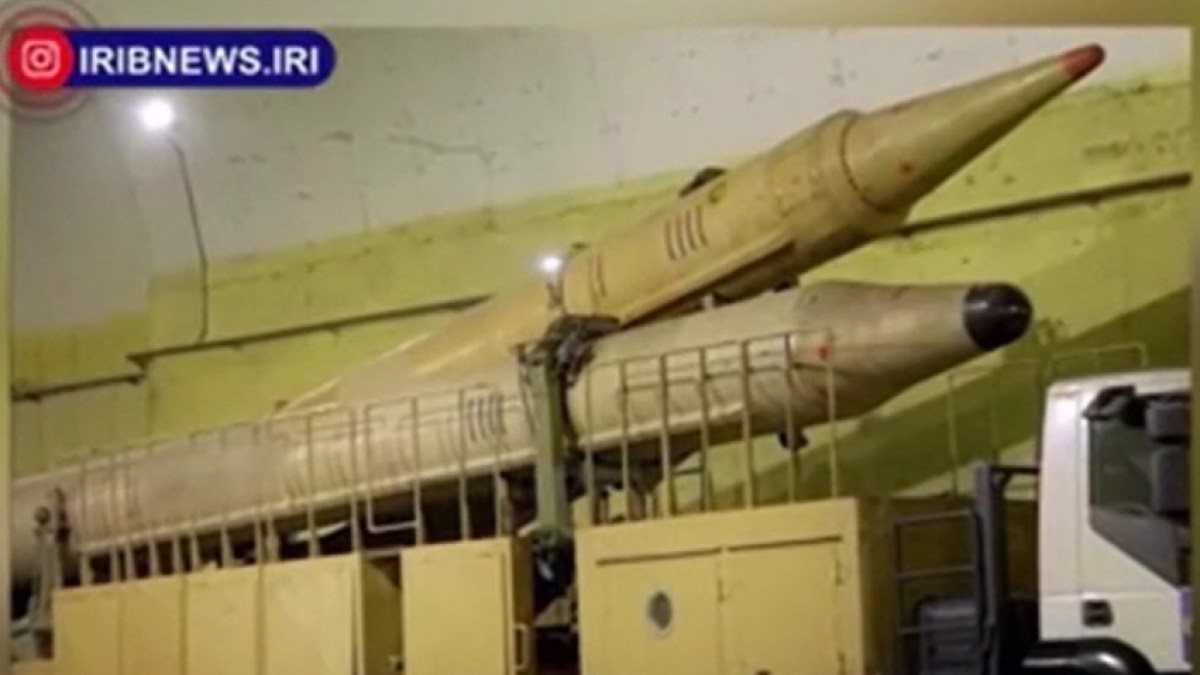
Iran has put a new dual-missile launcher and a sprawling underground weapons facility on public display, signalling that its military remains potent despite US-Israeli attacks and a crippling American naval blockade, according to Al Jazeera.
Footage aired by state broadcaster IRIB showed commanders of the Islamic Revolutionary Guard Corps (IRGC) walking through kilometres of tunnels lined with hundreds of missiles and launchers. Among them was a launcher built to carry and fire two liquid-fuelled missiles at the same time.
The tour on Saturday was led by Major-General Ahmad Vahidi, the IRGC commander. Iranian officials said the country's missile and air-defence systems had been strengthened since earlier rounds of fighting, including the war launched by the US and Israel in late February.
What the new launcher does
According to IRIB, liquid-fuelled missiles are launched vertically and allow their speed to be controlled, a feature the broadcaster said could help them get past air defence systems.
State media also claimed that the newest generations of Iranian missiles have greater range and accuracy, and that their guidance no longer depends on the US Global Positioning System (GPS).
Iran has built up an arsenal of ballistic and cruise missiles over roughly three decades.
Production moved underground
Vahidi's visit came after the IRGC aerospace force announced a new underground facility on November 10, the semiofficial Tasnim News Agency reported. Tasnim said Iran is building underground military complexes designed to keep manufacturing and storing weapons even during heavy bombing.
The IRGC has said it shifted its missile and drone production lines from surface sites to underground ones so that output can continue.
Al Jazeera's correspondent in Tehran, Resul Serdar, noted that it was unclear when the state broadcaster's footage had been filmed. He said the Guard was trying to convince the world it had no shortage of missiles or launchers and would use them if fighting resumed.
"It is a part of their propaganda, but also, Iran is flexing its muscles and trying to restore deterrence," Serdar said.
Analysts weigh the message
Rami Khouri, a public policy fellow at the American University of Beirut, told Al Jazeera that such sites allow Iran to safely stockpile spare parts, raw materials and chemicals for missile and drone production, as well as finished weapons. He said Tehran had prepared for this kind of scenario for decades and had almost certainly stored large quantities.
Khouri added that Iran has been revealing its technical capabilities and political will gradually, aiming to show Washington and Israel that its weapons can evade Western defences and reach chosen targets.
Rob Geist Pinfold, a lecturer in international security at King's College London, argued that Tehran has been emboldened by the US midterm elections, in which President Donald Trump's Republican Party suffered heavy losses and Democrats took control of both chambers of Congress. Rising living costs linked to the war on Iran were a major factor in how Americans voted, according to Al Jazeera.
Pinfold told Al Jazeera there appeared to be a sense that the US had been deterred or discouraged from escalating, likening Trump to the boy who cried wolf.
Economic pressure mounts
Despite the show of force, Iran is under severe economic strain. The US naval blockade of its southern ports has disrupted oil exports, and Pinfold said very little oil, if any, is currently leaving the country.
He noted that Iran's economy is already in recession, with fears of a deeper downturn, and suggested Tehran may feel pushed to escalate because it sees itself backed into a corner.
This story was prepared by the Hamasta Newsdesk with AI assistance, based on reporting by Al Jazeera. Read the original report. Photo: Al Jazeera.


Grow an audience that listens.
Social media management, digital campaigns and online storytelling that converts.



More in International
See all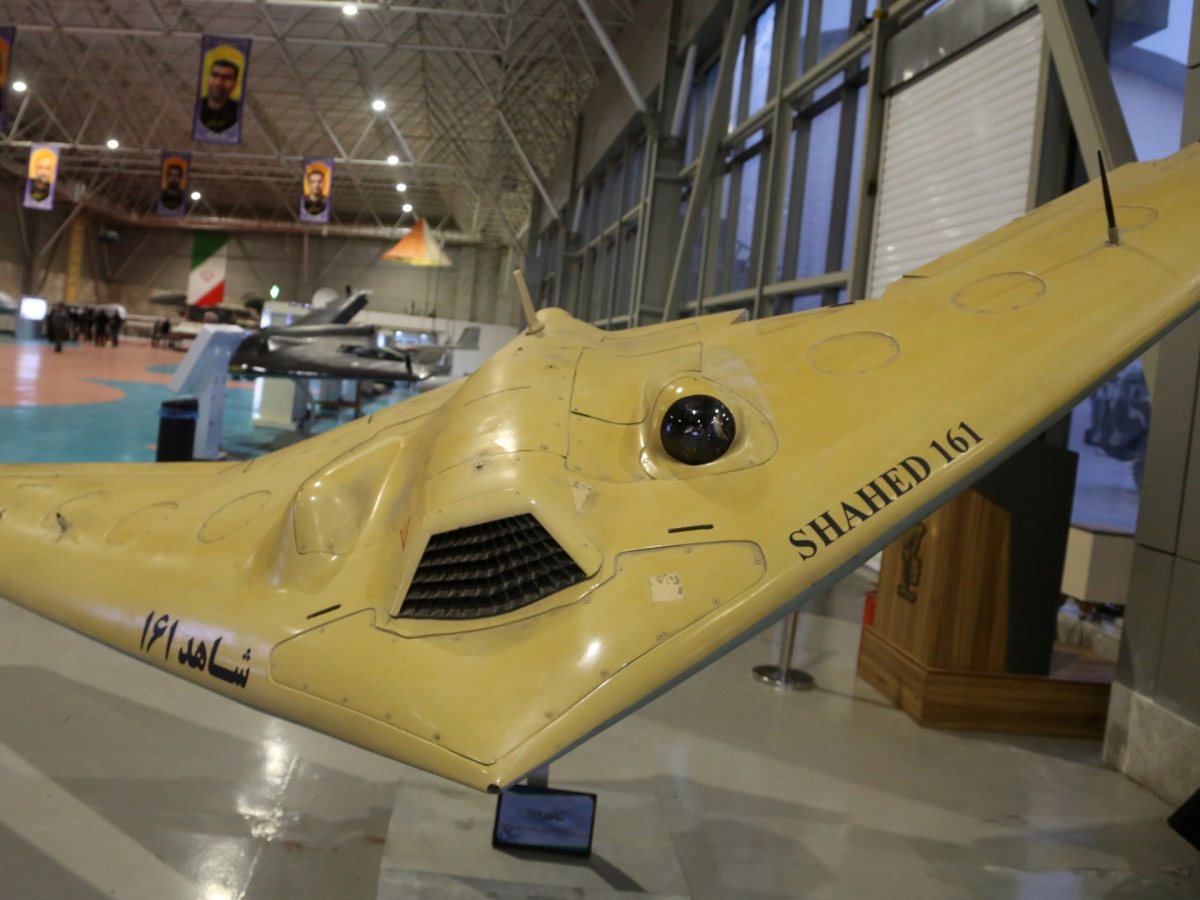
Bahrain intercepts drones as Iran's IRGC claims strike on US radar at Isa airbase
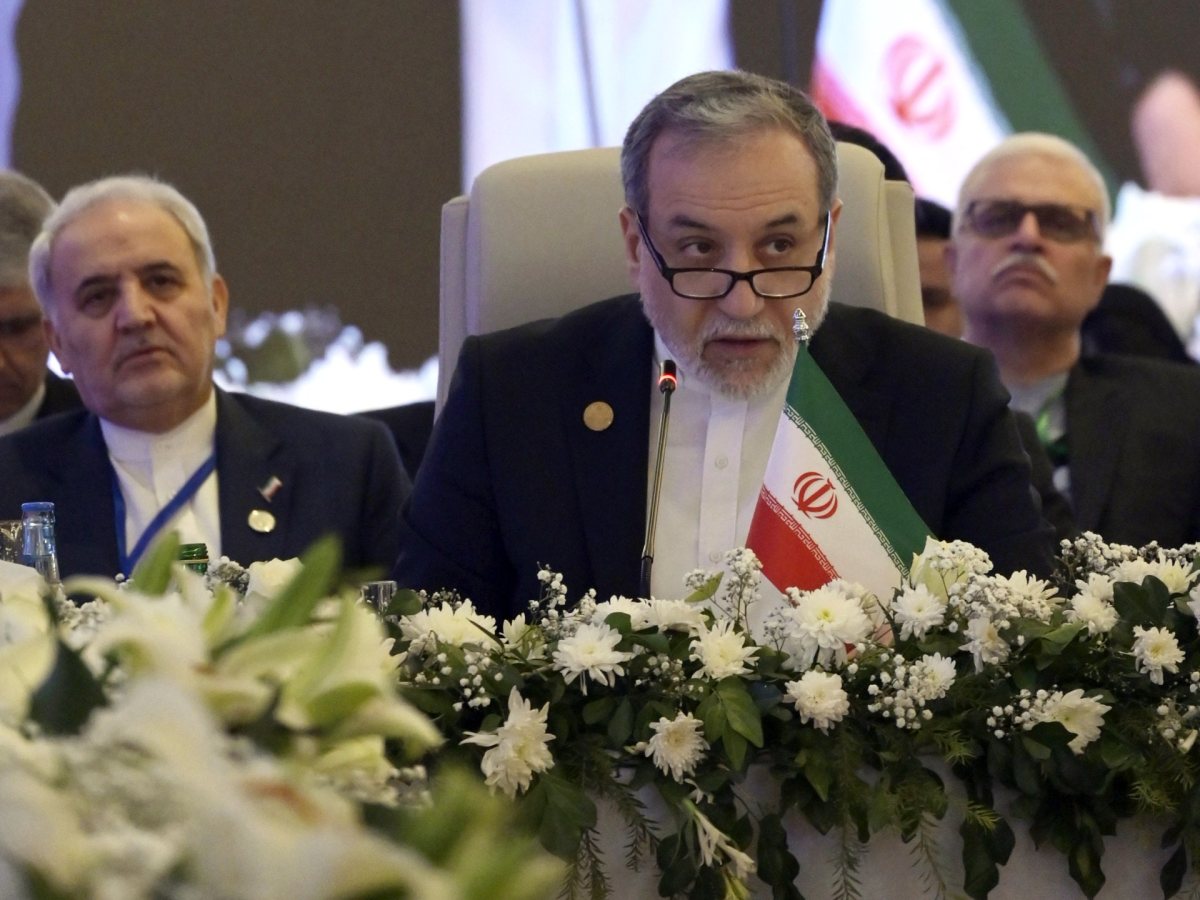
Iran holds talks with Qatari mediators, sets terms for reopening Strait of Hormuz
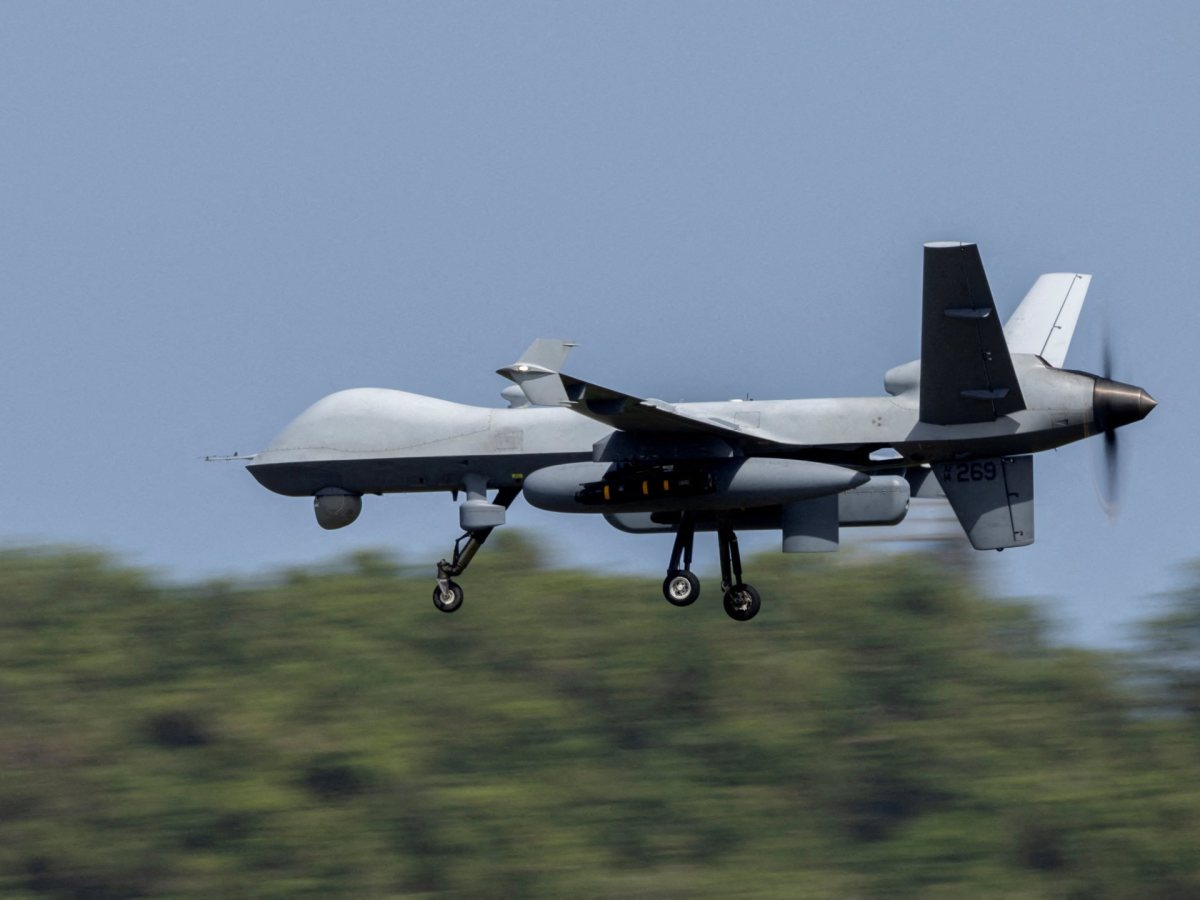
Iran says it shot down US MQ-9 drone over Hormuz as peace efforts stall
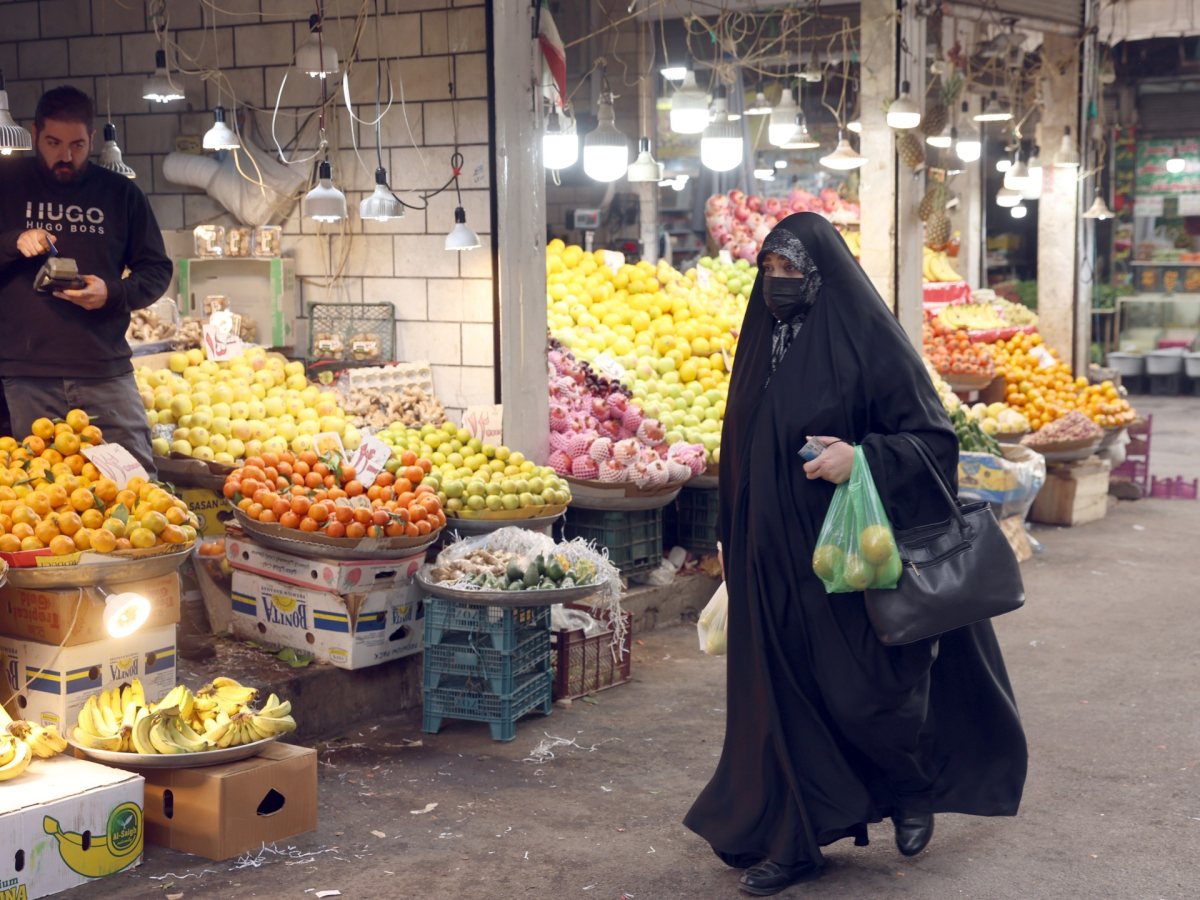
Iran's economy reels under US blockade as Tehran insists it can hold out
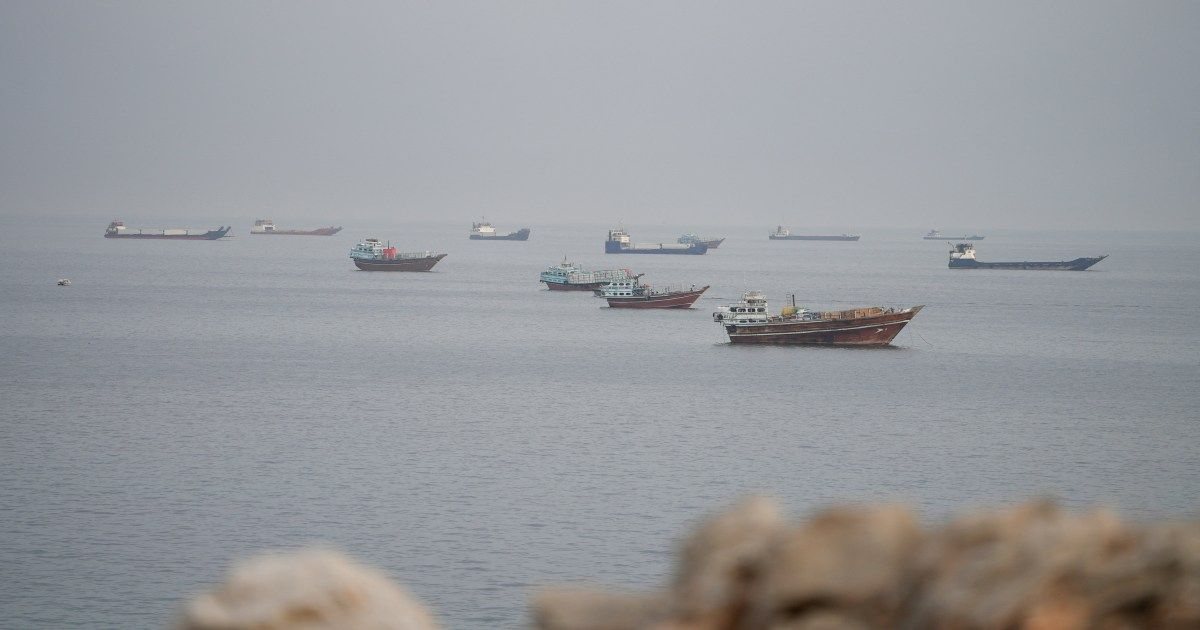
US maritime agency memo flagged Iran blockade's role in soaring Gulf shipping costs
Global Community Remarks
0