
UK households face 26% energy bill jump as Ofgem prepares new price cap
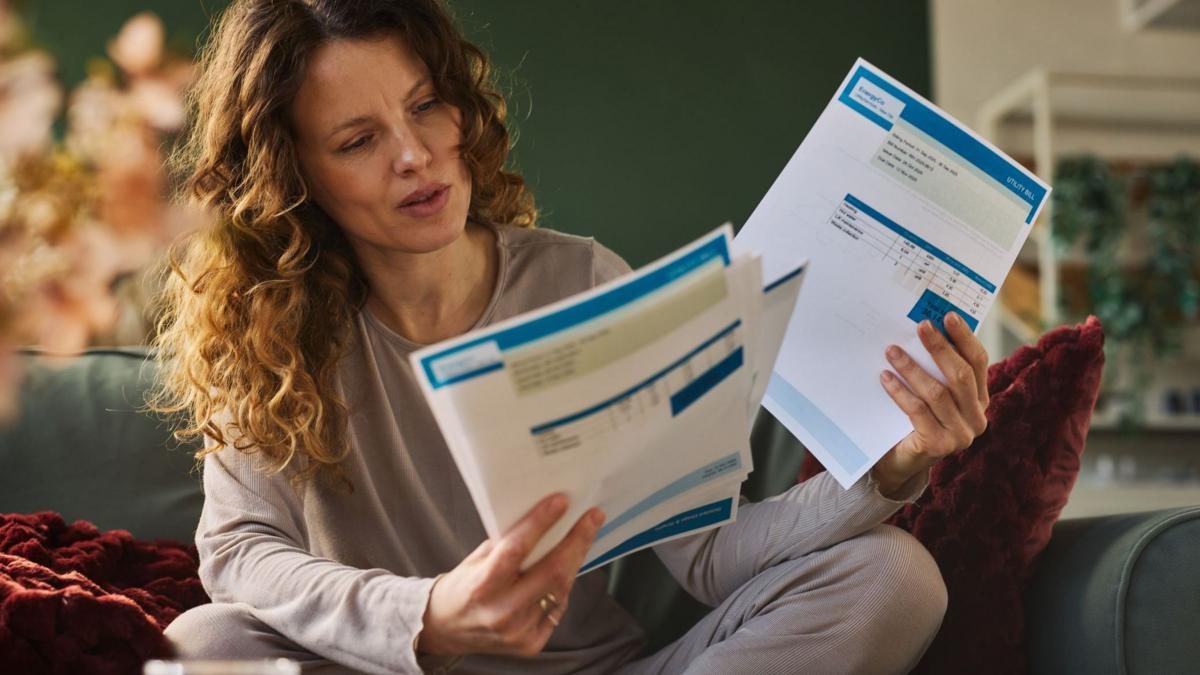
Millions of households in Britain are preparing for a sharp rise in energy bills in January, with regulator Ofgem set to confirm the size of the increase in its new price cap, according to BBC Business.
Consultancy Cornwall Insight has forecast that a typical annual bill will climb by 26% in the new year. The increase would take effect during the coldest months, when demand for heating is highest.
The price cap sets the maximum amount suppliers can charge for each unit of gas and electricity. Customers pay for what they actually use, and charities and suppliers expect household debt to grow and more people to seek emergency help.
What the rise could mean
About 20 million households in England, Scotland and Wales are on variable tariffs governed by the cap. Customers on fixed deals will not be affected immediately, but could face higher costs when those contracts end and are replaced.
If the forecast is accurate, a household with typical gas and electricity use paying by direct debit would see bills rise by about £37 a month between January and the end of March. Over a full year, that would push the typical annual bill up by £443 to £2,166.
Because usage varies, the consultancy's projection means that for every £100 a household spends on energy now, it would pay roughly £126 after the change.
Gas prices behind the increase
Wholesale gas costs are the main reason for the expected rise. BBC Business reports that the war in Iran has pushed up international gas prices, and with storage levels relatively low ahead of winter, suppliers were forced to buy in advance at much higher prices.
Industry body Energy UK says the average price of gas is 166% higher than it was late last year, before the conflict began.
Forecasters expect domestic prices could remain high through next year. Even if wholesale gas becomes cheaper, the cost of running and upgrading the electricity network is expected to stay elevated.
Warnings over debt and hardship
Dame Clare Moriarty, chief executive of the charity Citizens Advice, painted a bleak picture.
"We are staring down the barrel of a brutal winter,"she said, adding that many households had already exhausted their budgets after years of overlapping crises.
Chris O'Shea, head of British Gas owner Centrica, told the BBC he was deeply concerned about the January rise. He said unpaid bills were a major problem in the UK, with some customers unable to pay and a growing number choosing not to.
According to Energy UK, about £67 of the average annual bill goes towards covering this debt, with customers who pay quarterly rather than by monthly direct debit bearing the largest share. The trade body expects total energy debt to approach £7bn by the end of the year.
Andrew Sissons of research foundation Nesta warned that the impact could spread beyond households, as higher energy costs would leave people with less to spend elsewhere in the economy.
Government support
Several forms of help are available this winter:
- A £100 payment, made automatically to homes in council tax bands A to D in England, with equivalent payments in Scotland and Wales.
- A temporary removal of the 5% VAT on electricity bills until the end of June next year, expected to save a typical household about £45 a year.
- The warm home discount, which takes £150 off bills for six million households on benefits. There have been calls for this support, funded through all customers' bills, to be extended.
However, Citizens Advice cautioned that people on prepayment meters, who tend to top up most heavily in winter, would burn through the £100 quickly. The charity said it expects a surge in people seeking emergency help because they cannot afford to top up their meters.
This story was prepared by the Hamasta Newsdesk with AI assistance, based on reporting by BBC Business. Read the original report. Photo: BBC Business.
Every moment, captured beautifully.
Events, corporate portraits, products and editorial shoots by our newsroom photographers.






More in Business
See all
British Gas owner's boss 'hugely concerned' as UK energy bills set to soar in January
Oil above US$100: what rising crude prices mean for Kenya's pump prices

Iran warns of winter gas shortages as war damage deepens energy crisis

Nearly seven in 10 homes still cook with firewood and charcoal: State targets cooking gas for 10 million households by 2028 as Mombasa LPG terminal breaks ground
US Army to blow up 4.5 tonnes of unstable lead azide in Iowa despite toxic lead fears

Global Community Remarks
0