
KWS launches audit at Ol Pejeta after 17 black rhinos die in nine months
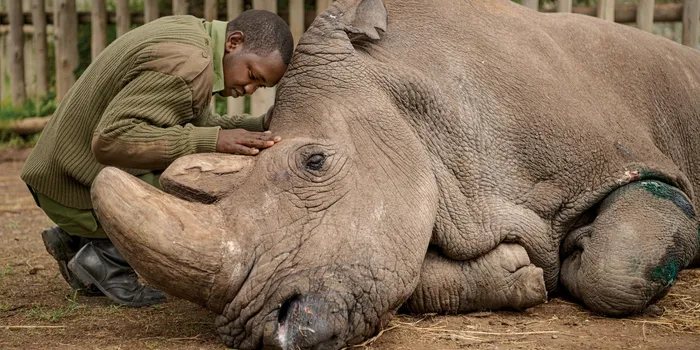
The Kenya Wildlife Service (KWS) has started an audit of the black rhino population at Ol Pejeta Conservancy in Laikipia after the conservancy recorded 17 rhino deaths in less than nine months, according to Kenyans.co.ke.
KWS Director General Erustus Kanga officially opened the exercise at the conservancy on Tuesday, November 24, 2026. He was joined by Laikipia County Commissioner Josephat Biwott and County Police Commander Peter Maina Nduriri.
Ol Pejeta reported that the 17 black rhinos died between February 26 and November 12. None of the deaths has been attributed to poaching.
What the audit will do
The audit aims to produce an accurate and verified record of the conservancy's black rhino population. KWS is leading a team that includes rhino specialists from the Wildlife Research and Training Institute (WRTI) and experienced rhino monitors from the Borana, Lewa, Loisaba and Segera conservancies.
According to KWS, the team will:
- Physically identify individual rhinos, including calves
- Assess each animal's body condition
- Take dated photographs to support individual records
- Reconcile the findings with the KWS register to account for births, deaths and movements, and resolve any discrepancies
The team will also examine Ol Pejeta's monitoring practices and how promptly incidents are reported to KWS. It is expected to recommend measures to improve management and prevent further losses.
Speaking during talks with Ol Pejeta board member Maj. Gen. (Rtd) Michael Gichangi, Kanga said the exercise reflected the agency's national mandate to protect wildlife, strengthen conservation oversight and ensure accountability across all conservation areas.
"Kenya's rhinos are an invaluable part of our national heritage," Kanga said.
He added that KWS remained committed to protecting the animals through science, collaboration and accountability.
Conservancy cites natural causes
An internal review by Ol Pejeta linked the deaths to lion attacks, old age, disease and other natural causes. Three of the cases remain inconclusive.
Board Chairman Philip Coulson said the conservancy deeply regretted every loss. He confirmed that its records showed 17 black rhinos had died within the period and said Ol Pejeta would work with KWS to establish the causes.
Questions over overcrowding
The deaths have raised concerns that the conservancy may be holding more rhinos than its habitat can support.
In November, Ol Pejeta reported a population of 178 eastern black rhinos, 55 southern white rhinos and two northern white rhinos. Its estimated habitat capacity is 120 rhinos, which means the conservancy is operating well above that threshold.
In response, the conservancy has asked WRTI to assess its carrying capacity and determine how many rhinos it can sustainably hold.
Private and community conservancies have played a major role in Kenya's efforts to rebuild rhino numbers after years of threats to the species. However, the situation at Ol Pejeta has drawn attention to whether these conservancies can continue to provide enough food and space as populations grow.
Ol Pejeta is home to the world's last two northern white rhinos, which are both female, and is one of Kenya's most prominent rhino sanctuaries.
The findings of the KWS audit and the WRTI carrying-capacity assessment are expected to guide future management of the conservancy's rhino population.
This story was prepared by the Hamasta Newsdesk with AI assistance, based on reporting by Kenyans.co.ke. Read the original report. Photo: Kenyans.co.ke.



Grow an audience that listens.
Social media management, digital campaigns and online storytelling that converts.



More in Environment
See all
KWS launches Sh20.8bn Thamani Asili conservation programme across 31 counties, targets 7,800 jobs

KWS shoots Kitui elephant blamed for killing resident as State says conflict compensation costs Sh1 billion a year
.jpeg)
KWS: Fishing Nets and Maize Stalks Killed Two Lake Naivasha Hippos
Elephants kill herder in Ganze and 72-year-old man in Kasigau as Coast human-wildlife conflict claims two lives
KWS deploys helicopter and drones as search for missing Aberdare hiker enters second week
Global Community Remarks
0