
Disability inclusion in tenders and public jobs still short of targets, report finds
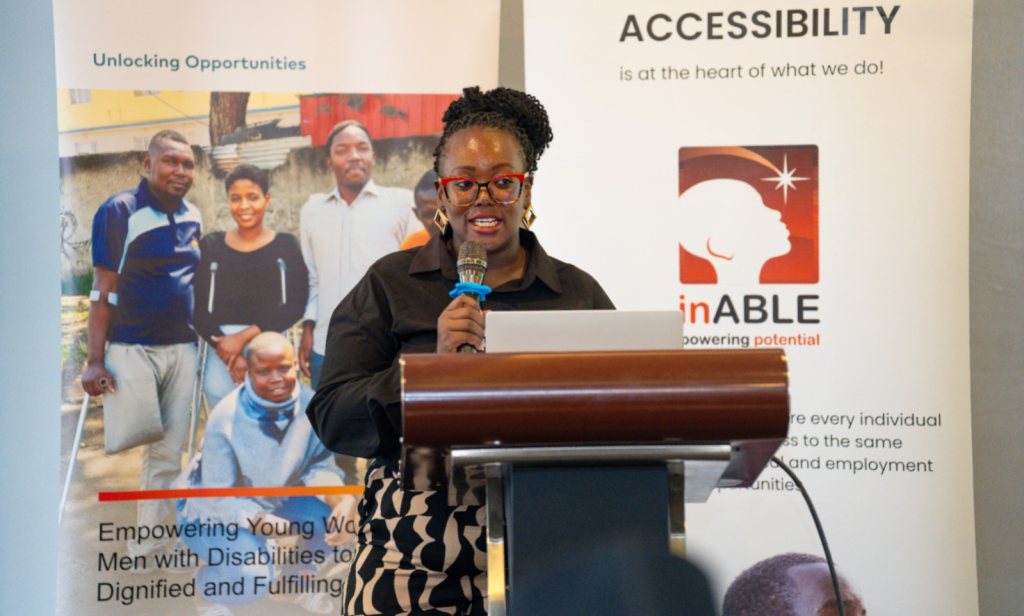
Businesses owned by persons with disabilities are winning a growing share of government tenders, but their participation in public procurement and employment still falls well short of Kenya's legal targets, according to a new assessment released in Nairobi.
The gap analysis, reported by KBC, found that the national share of Access to Government Procurement Opportunities (AGPO) awards going to such businesses rose from 9.84% to 14.38%. However, persons with disabilities made up only 1.28% of the workforce in seven public institutions that submitted employment data, far below the statutory 5%.
The findings were presented at a meeting convened by the Unlocking Opportunities Programme (UOP) with the Mastercard Foundation, attended by government officials, development partners, private sector players and organisations of persons with disabilities.
Scope of the study
The assessment covered 42 institutions in Embu, Kilifi, Kisumu, Nairobi, Nakuru and Turkana. It reviewed institutional policies, systems and practices, as well as the experiences of persons with disabilities seeking tenders and jobs.
Under the AGPO framework, 30% of government procurement opportunities are reserved for enterprises owned by women, youth and persons with disabilities. The Persons with Disabilities Act, 2025 separately requires employers with 20 or more staff to set aside at least 5% of positions for persons with disabilities and to provide reasonable accommodation.
Tender values double in sampled counties
In the counties sampled, the value of contracts awarded to disabled-owned businesses climbed from Ksh 46.37 million in the 2024/25 financial year to Ksh 95.46 million in 2025/26. Their share of AGPO awards in those counties increased from 4% to 15.1%.
Even so, the report notes that the average national share over the last five years stands at about 10.4%, suggesting reserved opportunities are not yet consistently translating into business growth.
Barriers identified include:
- Tender information and digital procurement platforms that are inaccessible, especially to blind and low-vision suppliers
- Low awareness of opportunities and complex tendering requirements
- Poor access to finance
- Late payments, with timely payment scoring only 40% in the institutional assessment
- Weak disability-disaggregated procurement data
The report warns that payment delays can strain cash flow for small enterprises and lock them out of future tenders.
Employment figures
Data from seven public institutions showed 371 persons with disabilities among roughly 29,011 employees. Of ten public institutions assessed, three said they met the 5% requirement, four did not, and three could not confirm compliance due to missing data. The report cautions that the figures were self-reported and not independently verified.
Budgetary provision for reasonable accommodation scored 36.7%, while accessibility of digital systems and communication scored 33.3%. The study also points to gaps in accessible recruitment, workplace accommodation and career progression.
Recommendations
The report calls for better access to procurement information, stronger supplier development and financing, prompt payments and improved tracking of awards. On employment, it urges institutions to align human resource policies with the 2025 Act, raise awareness among employers and HR practitioners, and set aside dedicated budgets for accommodation and accessibility.
Officials react
Senator Isaac Mwaura, who heads the Office of Diversity, Inclusion and Disability Rights in the Executive Office of the President, urged institutions to view inclusion as a driver of economic growth rather than a compliance exercise, and to turn policy commitments into measurable results.
"A business owned by a person with a disability can deliver quality, innovation and value just like any other enterprise," Senator Mwaura said.
Charles Warria, Programmes Director at inABLE, speaking for UOP, said the assessment aimed to show where implementation was falling short and guide practical action. He said the programme would support public and private institutions through guidance, capacity building and implementation tools.
Eannes Ongus, Deputy Director for Resource Mobilisation and Partnerships at the Public Procurement Regulatory Authority, said procuring entities were making AGPO reservations but struggling to convert them into actual contract awards. He cited challenges with information access, internet connectivity and businesses' capacity to use the e-procurement system, and said the Authority would keep strengthening compliance monitoring.
UOP is implemented by Humanity and Inclusion with inABLE, Next Step Foundation and Riziki Source, with funding from the Mastercard Foundation under its Young Africa Works Strategy.
This story was prepared by the Hamasta Newsdesk with AI assistance, based on reporting by KBC. Read the original report. Photo: KBC.
Every moment, captured beautifully.
Events, corporate portraits, products and editorial shoots by our newsroom photographers.






More in Business
See all
Got a skill but no job offer? How to register your own business in Kenya and tap Hustler Fund, Youth Fund and AGPO tenders

GDC floats 12 tenders for security, drilling supplies with KSh 100k minimum security
New TSC CEO Ayabei is first person with a disability to lead the commission
Kakamega leaders seek tighter scrutiny of county procurement and spending
Fewer than five in every 100 State buyers are on it: Treasury's e-procurement system is being snubbed, even as Ruto holds it up as proof of his graft fight

Global Community Remarks
0