
German firms look to Africa as trade shocks hit traditional markets
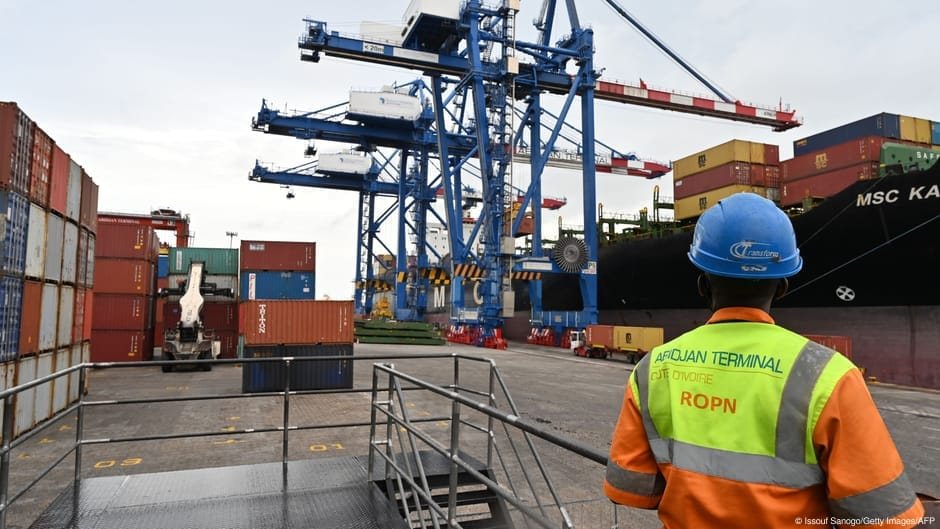
German companies are turning their attention to Africa as wars, tariffs and slowing demand in traditional markets unsettle their business, but a cautious approach to risk in Berlin is keeping many of them on the sidelines, according to DW News.
The shift was on display at the sixth German-African Business Summit in Accra, Ghana, where business leaders and politicians described the continent as a market of the future. DW News reported a noticeable sense of urgency at this year's gathering.
Old markets lose their certainty
German firms are searching for new destinations amid the wars in Ukraine and Iran, high energy prices, steep US tariffs and weaker growth in established markets such as China.
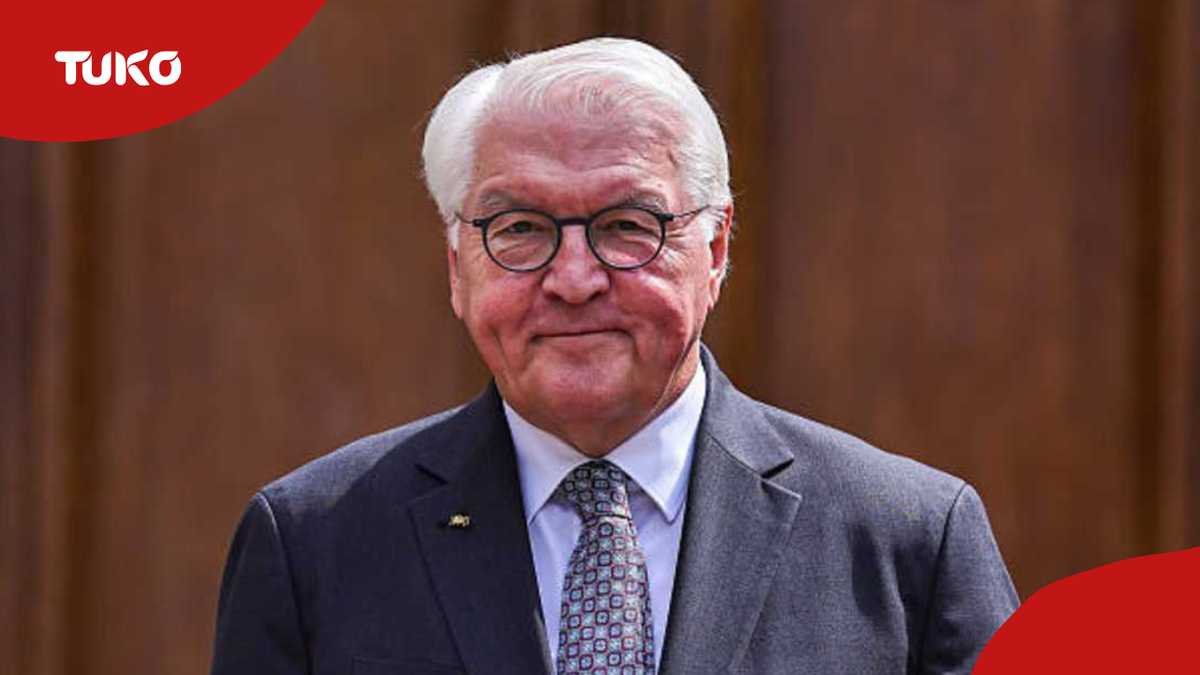
German President Frank-Walter Steinmeier told the summit that geopolitical upheaval had eroded the reliable revenue many German companies once earned from North America and China. He said it was time to look more closely at economic opportunities that remain untapped.
Why Africa matters to Germany
Africa hosts some of the world's fastest-growing economies, including Ethiopia and Rwanda. While Europe faces shrinking working-age populations, the continent is expected to add hundreds of millions of workers in coming decades.
Germany has already signed a migration agreement with Kenya and is negotiating a similar deal with Ghana, as it seeks skilled workers to ease labour shortages in some sectors.
DW News noted that growth in parts of the continent over the past three decades has produced a larger, more aspirational consumer class, creating demand for products German firms sell, from cars to cosmetics.
Africa's minerals and renewable energy potential are also central to European Union plans to diversify supplies of critical raw materials, reduce dependence on China-dominated supply chains and strengthen energy security after the bloc cut most energy imports from Russia. German companies have pledged billions of euros for green hydrogen projects in countries such as Mauritania and Namibia.
Amin Amidu Sulemani, energy and infrastructure commissioner at the Economic Community of West African States (ECOWAS), told DW News that foreign investors help develop resources Africa lacks the capital to exploit, bringing jobs and industrialisation. He stressed that the continent should process its raw materials locally rather than simply export them.
Rivals move faster
Obstacles remain, including corruption and governance concerns, unreliable power supplies, currency risk and weak infrastructure. African leaders say they are working to make doing business easier.
Meanwhile, competitors from the United Arab Emirates, Turkey and India have made major inroads. UNCTAD's 2026 World Investment Report found that Gulf and Asian investors are becoming significant sources of investment in Africa, especially in energy, logistics, real estate and infrastructure.
The UAE has backed several large projects, according to DW News, including:
- the $34 billion Infinity Power renewable energy project in Mauritania;
- the $24 billion Ras El Hikma real estate development in Egypt;
- the $6 billion H2 Global Energy hydrogen project in Tunisia.
Goodwill without scale
German firms are well regarded in Africa for engineering expertise, vocational training and long-term industrial investment that tends to create stable jobs. Yet Africa has accounted for less than 2% of German firms' total foreign investment over several decades.
Business leaders blame inadequate financing and risk cover, heavy bureaucracy and the lack of a coherent national strategy, with engagement split across ministries and agencies. Industry bodies also say German institutions often treat diverse African markets as though they carry the same level of risk.
Khadi Camara, deputy CEO of the German-African Business Association, told DW News that successful companies adapt their models country by country.
"German companies can be a bit more bold and maybe also innovative," she said.
Business groups are calling for better financing, guarantees, risk-sharing and fewer bureaucratic hurdles. Steinmeier, for his part, urged firms to be curious, take risks and invest, warning implicitly that hesitation could see them edged out by foreign rivals.
This story was prepared by the Hamasta Newsdesk with AI assistance, based on reporting by DW News. Read the original report. Photo: DW News.

Tell your story on screen.
Commercials, documentaries, interviews and social video, from script to final cut.





More in Business
See all
Ruto, Germany's Steinmeier Agree Faster Visas and Language Training for Kenyan Workers
Kenya signs deal with German exam body TELC to ease path to jobs in Germany
German President Steinmeier lands in Nairobi for talks with Ruto on trade and investment
Germany names 157 shortage occupations as reliance on foreign workers grows
Kenyans working in Germany rise to 9,500 under migration deal, Ruto says
Global Community Remarks
0