
Kenya Power warns households may pay more as its retail monopoly ends
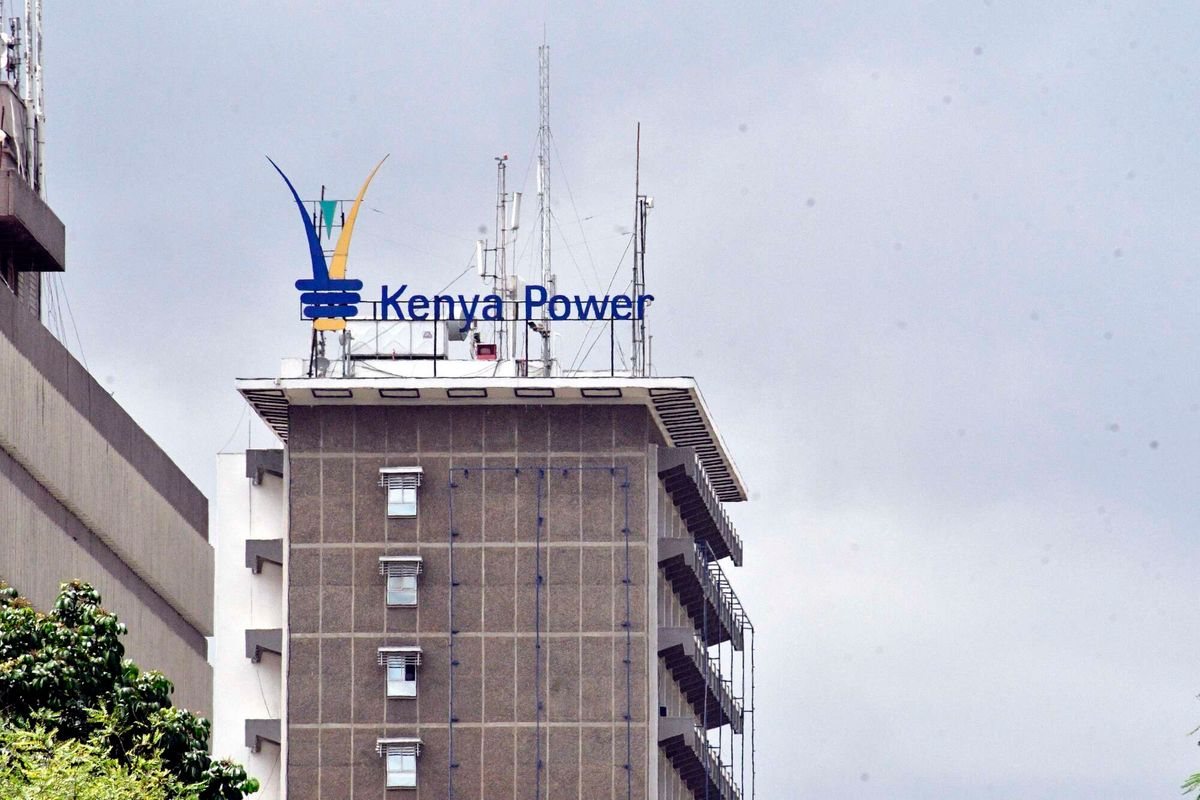
Kenya Power has warned that domestic electricity consumers could face higher bills after new rules ended its monopoly on selling power to homes and businesses, according to Business Daily.
In its latest annual report, the listed utility says letting other firms sell electricity directly to large customers threatens the cross-subsidy model that shields households from the full cost of power. The warning repeats concerns raised earlier by the World Bank.
How the subsidy works
Under the current tariff structure, larger commercial and industrial customers pay more per unit of electricity. This allows Kenya Power to keep prices lower for some domestic users.
Commercial and industrial customers bring in nearly 60 percent of Kenya Power's sales revenue. They bought 7,313 gigawatt-hours, about 70 percent of the 10,570 gigawatt-hours the company sold in the year to June 2025, Business Daily reports.
Should these customers move to new suppliers, the utility fears it will lose income needed to keep household tariffs down.
"Open access introduces new competitive dynamics, including potential customer migration and pressure on cross-subsidies across tariffs," Kenya Power says in the report.
The company adds that the new framework could reduce revenue from customers who leave and leave it carrying fixed network costs it can no longer spread across its customer base.
New regulations
The government on May 8 published the Energy (Electricity Market, Bulk Supply and Open Access) Regulations, 2026, despite the World Bank's warning against ending Kenya Power's monopoly. The target for fully ending the monopoly is next year.
The rules allow power producers that do not have existing power purchase agreements with Kenya Power to sell electricity directly to larger consumers, including small commercial enterprises, industries and factories.
These producers will apply to use the networks of Kenya Power and the Kenya Electricity Transmission Company (Ketraco), paying the two firms a wheeling charge for access to their lines. Direct supply contracts will run for between one and ten years, and the Energy and Petroleum Regulatory Authority (Epra) must approve the prices charged.
Epra has announced public consultations on the wheeling fees, which will run for five days to December 11, 2026.
Government case for competition
The government argues that liberalising the market will give homes and businesses a choice of supplier and eventually cut power bills. According to Business Daily, the cost of 50 units of electricity has risen to Sh1,278 from Sh823 in 2019.
Large consumers have long complained of unreliable supply and high costs, with some turning to back-up options such as solar and biomass plants. Industrial and commercial users also pay a demand charge, which covers the cost of reserving high-capacity infrastructure for heavy machinery and pushes their unit price above that of households.
KenGen, the single largest supplier to Kenya Power, has for years sought to sell power directly to consumers to reduce its dependence on the utility.
World Bank concerns
The World Bank has cautioned that exposing Kenya Power to competition could cripple the utility because of its long-term wholesale contracts with generators such as KenGen, Lake Turkana Wind and OrPower4.
Kenya Power has power purchase agreements with 27 firms, which it paid Sh117 billion in the year to June 2023. Some of these contracts run for up to 25 years and typically require payment for electricity generated even when it cannot be sold, contributing to the idle capacity charges consumers often complain about.
The lender warns that if top customers migrate, Kenya Power may struggle to meet these obligations, with possible wider fiscal implications, while retail consumers could face higher tariffs.
This story was prepared by the Hamasta Newsdesk with AI assistance, based on reporting by Business Daily. Read the original report. Photo: Business Daily.




Know what people say about you.
Media monitoring, audience insights and strategic communication for your brand.


More in Business
See all
EPRA Adds About Ksh4.56 Per Unit to Electricity Bills for November
MPs Conditionally Back Rules Letting Big Power Users Buy Outside Kenya Power
EU states approve Indonesia trade deal as bloc seeks shield from Trump tariffs
US set to unveil new tariffs on 16 trading partners including China and EU

UK households face 26% energy bill jump as Ofgem prepares new price cap
Global Community Remarks
0