
Kenya seeks Sh20.3bn from private investors for Tana Delta rice project
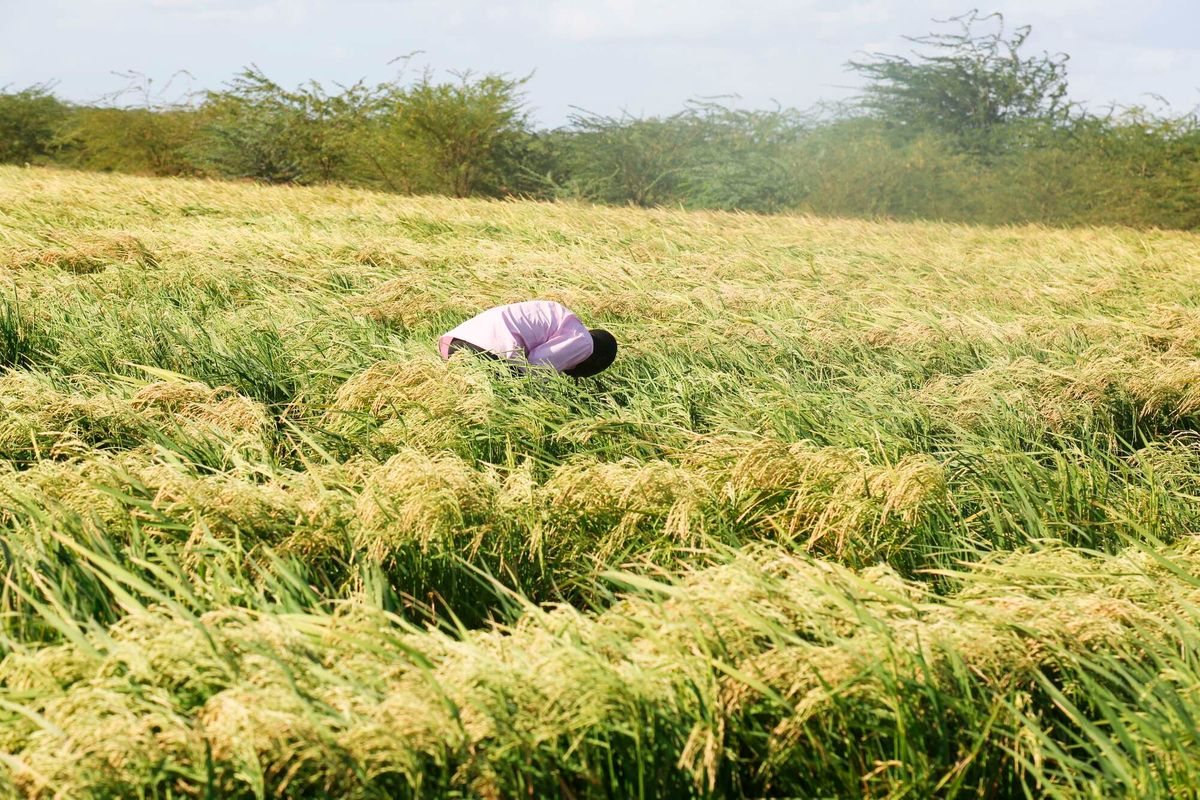
Kenya is looking to private investors for about Sh20.3 billion ($157 million) to turn 10,000 hectares of land in the Tana Delta into a large-scale irrigated rice production zone, according to Business Daily.
The plan, driven by the Tana and Athi Rivers Development Authority (Tarda), is the latest government effort to narrow the gap between the rice Kenyans eat and what local farmers grow, and to reduce the country's reliance on imported grain.
Land to be leased to investors
Under the proposal, Tarda would lease undeveloped, or greenfield, land to private investors. They would set up large-scale rice farms, bring in modern farming technologies and raise domestic output.
The Kenya Investment Authority puts the funding requirement at roughly $157 million. The project spans Tana River and Lamu counties and will be awarded through competitive bidding, Business Daily reports.
The National Treasury's public-private partnership (PPP) directorate has described the initiative as strategic, saying it is meant to make a significant contribution to national food security by lifting local rice production.
Beyond food supply, the directorate says the project is expected to create jobs, support the transfer of modern agricultural technologies and improve livelihoods in the Tana Delta. It has also linked the plan to the government's Bottom-Up Economic Transformation Agenda (BETA), which lists food security among its priorities.
Still at an early stage
The Treasury classifies the project as being in early preparation. Its concept note was approved in June 2025, but arrangements to hire a transaction adviser were still being finalised in the latest reporting period.
Once appointed, the adviser will help structure the deal and get the project ready for the later stages of procurement.
A costly import bill
The push comes as Kenya continues to spend heavily on rice imports. Data from the Kenya National Bureau of Statistics cited by Business Daily shows rice imports were valued at Sh55.1 billion in 2025.
The government hopes that increasing local supply will also generate employment in a region where farming potential has long been held back by poor infrastructure and difficulties in managing water.
Existing scheme has struggled
Tarda's current Tana Delta irrigation programme has faced several setbacks, including water shortages, damaged irrigation canals and weak flood-protection infrastructure.
Measures the authority has proposed to address these problems include expanding water intake facilities, extending flood-protection dykes and upgrading the systems that deliver water to farms.
Tarda has previously set out plans covering rice production, milling and supporting infrastructure in the delta. Private investors are expected to pay for on-farm facilities and help revive processing capacity.
According to Business Daily, the PPP model offers a way to attract both capital and technical know-how while moving part of the cost of developing the scheme off the government's books.
This story was prepared by the Hamasta Newsdesk with AI assistance, based on reporting by Business Daily. Read the original report. Photo: Business Daily.
Every moment, captured beautifully.
Events, corporate portraits, products and editorial shoots by our newsroom photographers.





More in Business
See all
Private investors earn Sh38bn from Kenya's road annuity projects, Sh8bn above build cost

Rice Farming Expansion in Karachuonyo Set to Boost Food Security and Incomes
From 2.6 to 4.6 metres in two days: River Tana swells as 700 people in Garissa and Tana River are told to move to higher ground
Tana River floods displace 302 households after Tulu and Minjila dams overflow, water spreads into Lamu

National Infrastructure Fund Eyes NSE Listing Product to Draw Private Investors
Global Community Remarks
0