
Private investors earn Sh38bn from Kenya's road annuity projects, Sh8bn above build cost
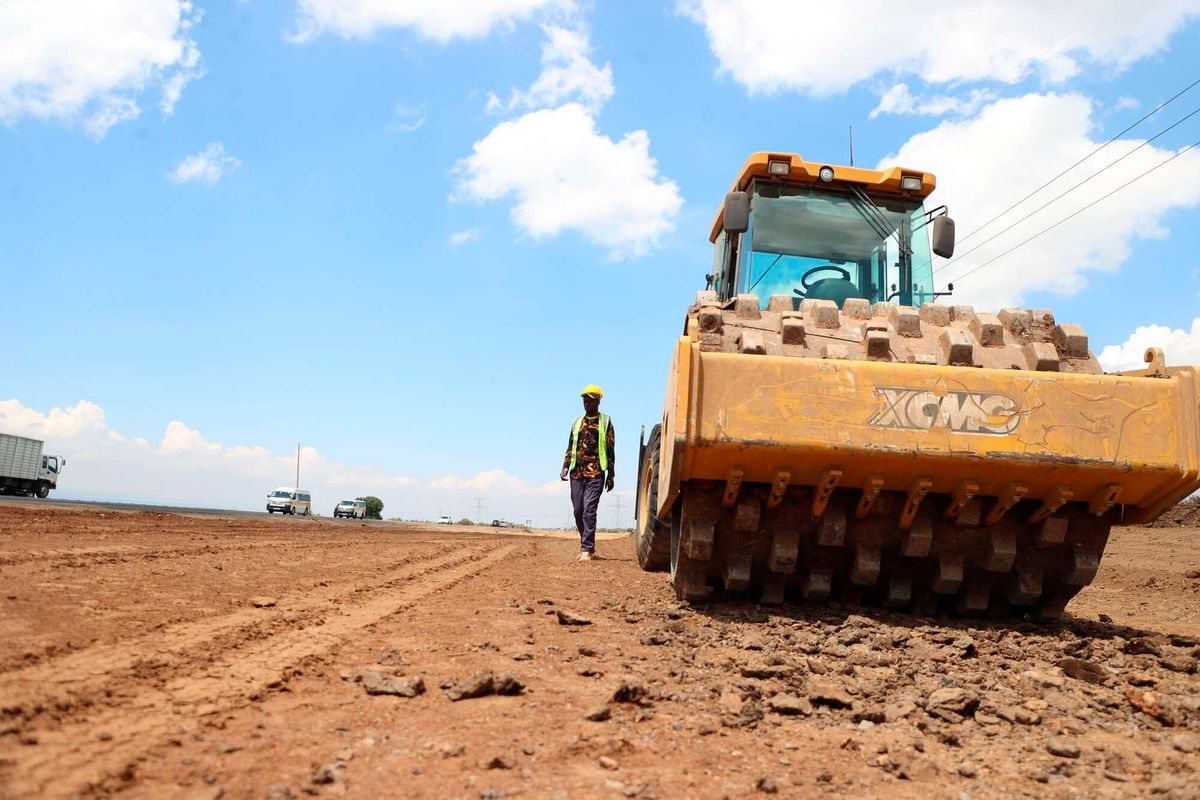
Private investors who built 12 roads under Kenya's Roads Annuity programme have so far received Sh38.18 billion from the State. That is about Sh8.15 billion more than the roads cost to construct, according to Treasury disclosures reported by Business Daily.
The figures show how much private capital can earn from Public-Private Partnership (PPP) deals in Kenya. The government is relying more on such deals to build roads because its room to borrow is shrinking.
Breakdown of payments
Investors behind the Lot 33 project in Kajiado County have received the largest share, at Sh23 billion. Those who delivered the Lot 15 roads have been paid Sh9.03 billion, while the Lot 18 investors have received Sh6.15 billion.
The three lots cost a combined Sh30 billion to build. The roads have been in use since 2020, Business Daily reports.
Investors are paid in equal instalments spread over 10 years so they can recover their investment. The Sh8.15 billion above the construction cost forms part of the profit they will earn over the concession period.
The roads and the firms behind them
Lot 33 covers the Ngong-Kiserian-Isinya and Kajiado-Imaroro roads, which together run for 95 kilometres. INTEX RAF Limited built them in 2020 and continues to operate them.
Lot 15 is made up of 44.7 kilometres of roads connecting Nyeri, Kirinyaga, Murang'a, Embu, Tharaka Nithi and Laikipia counties. Lot 18 links Kakamega, Vihiga, Bungoma and Busia.
Portuguese firm Mota-Engil Africa built both Lot 15 and Lot 18. It set up a company called Infraconnect 15 to operate and maintain them.
State payments to the investors began when they took over operation and maintenance of the roads. INTEX RAF took over in 2020 and Infraconnect 15 in 2024.
How the annuity model works
Under the road annuity model, a private contractor designs, finances, builds and maintains a road. Once the road is finished, the government repays the contractor in fixed, regular instalments over an agreed period.
The projects were built under a Design-Build-Finance-Operate-Maintain-Transfer (DBFOMT) arrangement, which is one form of PPP.
Kenya adopted the Roads Annuity programme in 2015. The target was to build or upgrade up to 10,000 kilometres of roads across the country without taking on new loans.
Wider push for PPP roads
The annuity programme is one of several PPP models Kenya is using to fund road construction.
The Sh87.9 billion Nairobi Expressway remains the largest road built so far under a PPP. It opened in 2022 and runs from Mlolongo in Machakos County to ABC Place in Westlands, Nairobi.
Motorists pay tolls of between Sh170 and Sh500 to use the expressway. The Chinese investors who financed and built it will recover their money through these tolls over a 27-year concession.
Kenya is now building its second toll highway, the 210-kilometre Rironi-Nakuru-Mau Summit road. It is expected to ease the heavy traffic faced by motorists travelling to Nakuru and Western Kenya.
China Road and Bridge Corporation (CRBC) and the National Social Security Fund (NSSF) are building the Rironi-Naivasha-Gilgil and Rironi-Naivasha-Maai Mahiu sections. Shandong Hi-Speed Road and Bridge International Engineering (SDRBI) will build the 94-kilometre stretch from Gilgil to Mau Summit.
The highway will cost Sh182.72 billion. The three investors will recover their money from tolls collected over a 30-year concession, according to Business Daily.
This story was prepared by the Hamasta Newsdesk with AI assistance, based on reporting by Business Daily. Read the original report. Photo: Business Daily.



Know what people say about you.
Media monitoring, audience insights and strategic communication for your brand.


More in Business
See all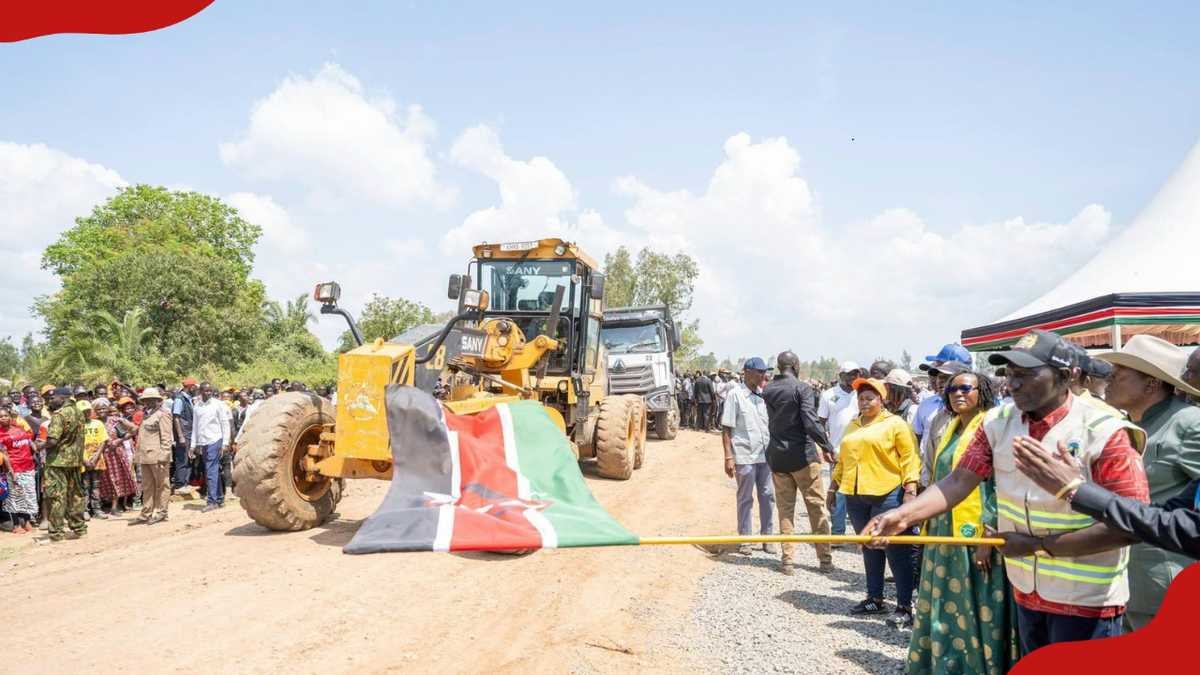
Ruto government lists KSh 40b roads, housing and health projects for Western Kenya
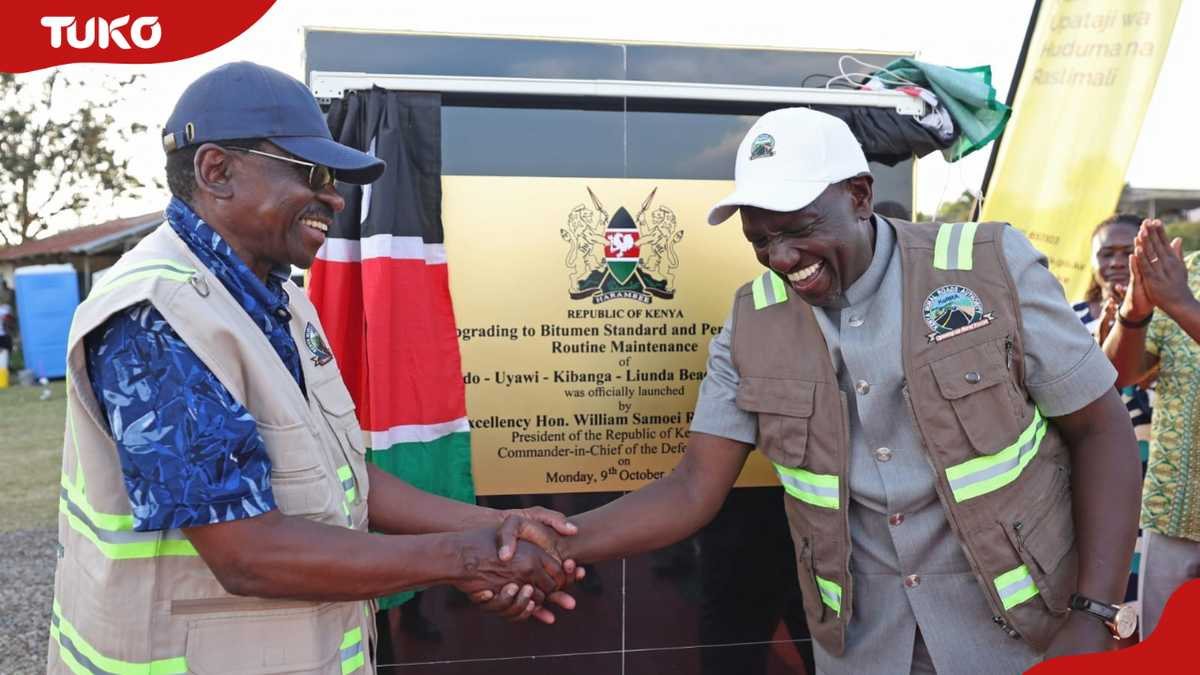
KURA invites bids for five road projects in Western and Nyanza towns
Motorists could face a new road charge as electric vehicles eat into the fuel levy, State Department for Roads says
Roads ministry still owes contractors Sh98bn despite Sh208.6bn securitisation payouts, Chirchir tells MPs
Ruto Names 14 Priority Roads, Says Nairobi-Mombasa Highway Dualling Near
Global Community Remarks
0