
Infrastructure fund parks Sh340bn in T-bills and bonds, earns Sh6bn so far
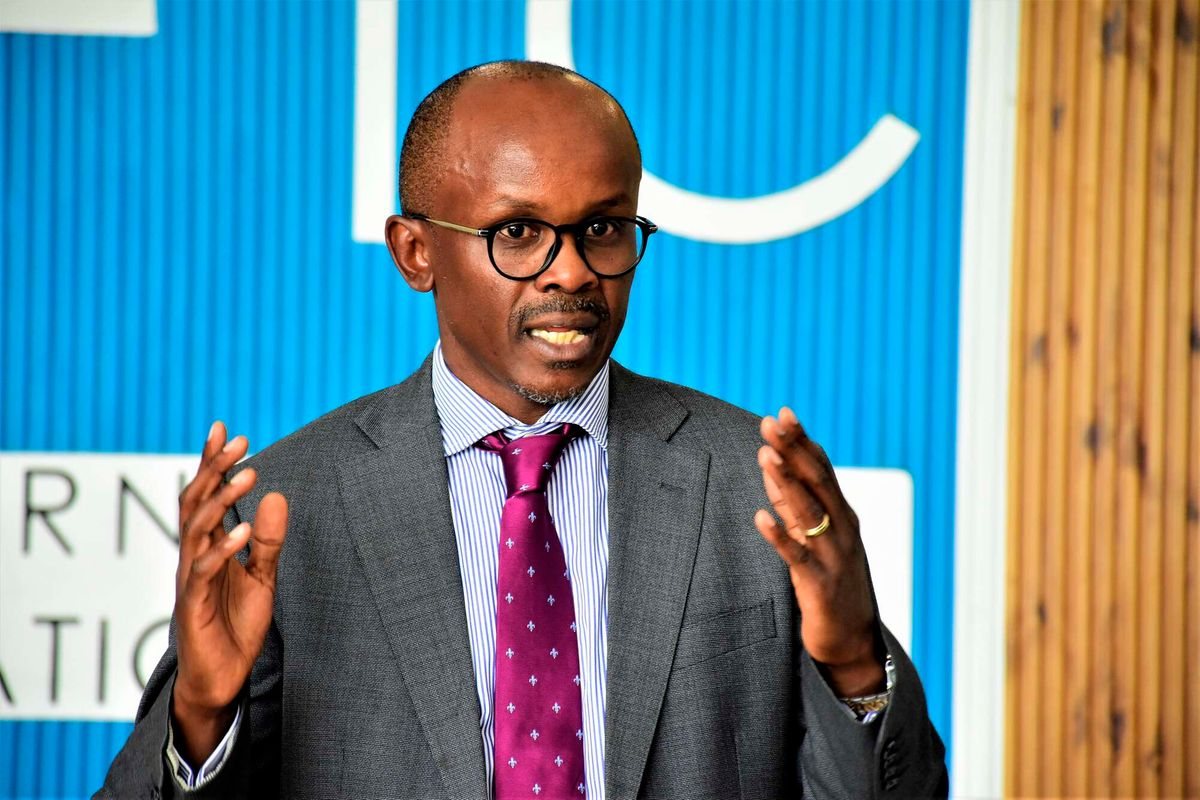
The National Infrastructure Fund (NIF) has earned Sh6 billion from investments in Treasury bills and bonds, as it pursues a strategy of locking away its Sh340 billion seed capital and using only the interest to fund infrastructure, Business Daily reports.
NIF chief executive James Mworia said the fund's entire seed capital is being placed in government securities, with the returns reinvested as equity in projects such as roads, airports and dams. The approach, he said, protects the original capital while keeping the fund revolving.
Where the money came from
According to the fund, it started putting the seed capital into government bonds from July. The money came from the State's divestitures in Kenya Pipeline Company (KPC) and Safaricom.
The government's sale of a 65 per cent stake in KPC and a 15 per cent stake in Safaricom raised Sh300 billion for the fund. Another Sh40 billion was added from the sale of advance dividends on the State's remaining 20 per cent shareholding in the telecoms firm.
Analysts quoted by Business Daily say the fund's large placements in government paper have supported liquidity at domestic debt auctions and helped keep yields subdued.
Living off interest
Mworia said the board settled on the model after noting that infrastructure projects are long-term and that the government has a limited stock of assets it can sell.
At a 10 per cent return, he said, the fund projects investment income of about Sh34 billion a year, or roughly Sh3 billion a month.
"That's Sh100 million a day without having to do anything," Mworia said.
Because projects will be funded from income, the seed capital is expected to remain invested in Treasury instruments and appear on the fund's balance sheet as liquid assets, with infrastructure projects on the other side of the ledger.
How projects will be financed
The NIF intends to provide about a third of the equity needed for projects. It expects to commit about Sh39 billion ($300 million) in equity and to attract twice that amount, Sh78 billion ($600 million), from co-investors, strategic partners and long-term investors.
Debt is expected to cover about 70 per cent of remaining project costs. The fund estimates that the combined Sh117 billion ($900 million) in equity could unlock up to Sh273 billion ($2.1 billion) in loans, which would be repaid from user charges such as road tolls and airport fees.
As the fund will be paid last, after creditors and co-investors, it is not depending mainly on project returns to raise fresh capital in the short term. Mworia added that since equity and debt are drawn down over time, the fund would not need to sell its securities holdings.
Cheaper borrowing for airport deal
The NIF says early talks on airport financing drew close to three times the debt it sought, priced at 3.5 percentage points above the Secured Overnight Financing Rate (SOFR), lower than the 4 percentage points it had projected.
Mworia said the terms were close to Kenya's Eurobond rates, meaning the fund would borrow at roughly sovereign cost without a government guarantee, thanks to a 20 per cent equity cushion funded entirely from interest income.
Pipeline of projects
The fund has two core roles: preparing projects to become bankable, including backing feasibility studies, and providing early equity to draw in private capital.
It is lined up to take an equity stake in the planned Dangote refinery in Lamu and to invest in the upgrade and expansion of Jomo Kenyatta International Airport through a special purpose vehicle.
Its Investment Policy Statement, now before Parliament for approval, lists national highways, railways, airports, seaports, electricity, ICT, water reservoirs and agribusiness infrastructure as target sectors. The board may invest directly or through equity, debt, project finance, special purpose vehicles and pooled investment vehicles.
This story was prepared by the Hamasta Newsdesk with AI assistance, based on reporting by Business Daily. Read the original report. Photo: Business Daily.




Know what people say about you.
Media monitoring, audience insights and strategic communication for your brand.


More in Business
See all
National Infrastructure Fund Eyes NSE Listing Product to Draw Private Investors
Fuel subsidy drain collapses Sh6bn Rubis rescue deal for National Oil
Vodafone books Sh430bn gain as Vodacom takes control of Safaricom
Vodafone lent Vodacom Sh68bn to buy its own Safaricom stake, filings show
Court bars Nairobi County from leasing Uhuru and Central parks without meaningful public participation

Global Community Remarks
0