
Fuel subsidy drain collapses Sh6bn Rubis rescue deal for National Oil
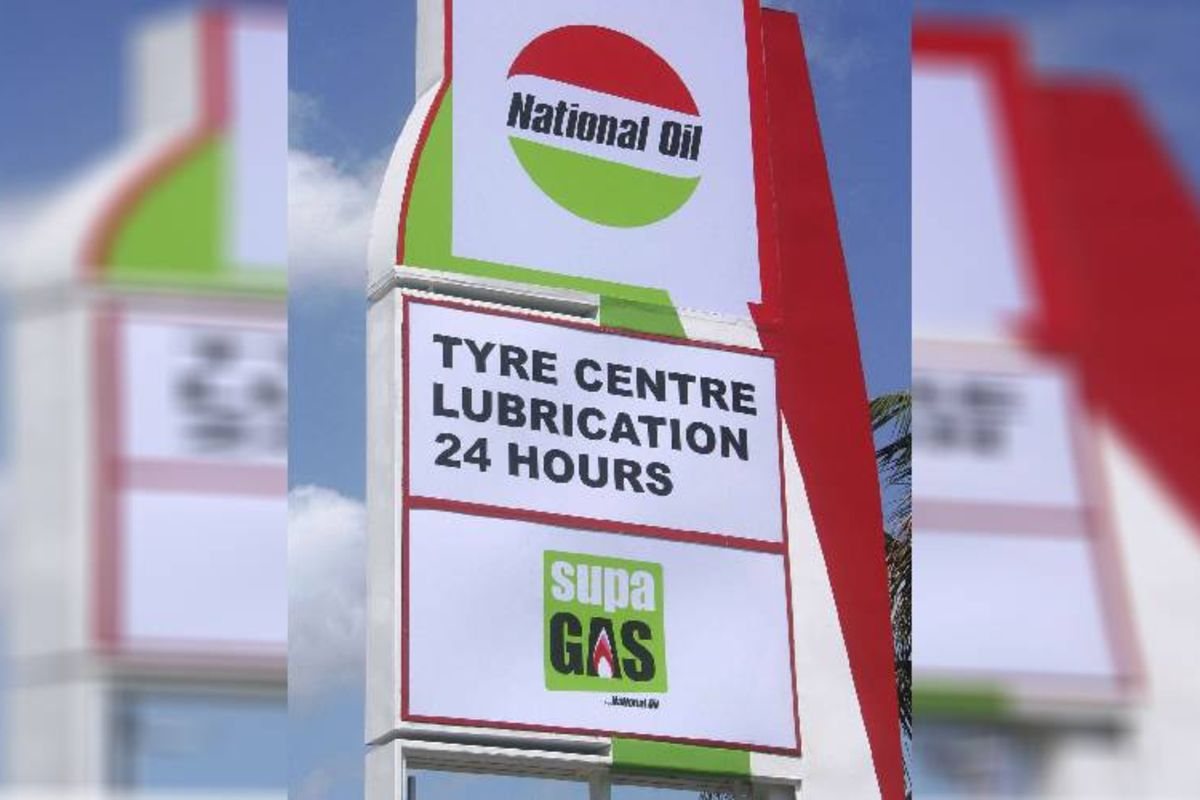
A Sh6 billion plan by Rubis to revive the struggling National Oil Corporation of Kenya (Nock) has collapsed. Steep fuel subsidies drained the fund that was meant to clear a Sh2.1 billion bank loan, a condition of the deal, according to Business Daily.
The French oil firm, Kenya's third-largest oil marketer, walked away after Nock failed to repay the loan it owes Stanbic Bank. A source who spoke to Business Daily on condition of anonymity confirmed the withdrawal.
Levy kitty exhausted
The repayment was to be financed from the Petroleum Development Levy (PDL) kitty. Parliament had approved the money in the 2025/26 budget. However, heavy subsidies to cushion motorists since the start of the Middle East conflict involving Iran emptied the fund. This left the Treasury and Nock without the money for the loan.
"The steep subsidy due to the Middle East conflict exhausted the money," the source told Business Daily.
A withdrawal of Sh2.17 billion from the kitty had been planned for the year ending June 2026. That plan fell apart after the State used up the fund through subsidies from April this year.
Since the conflict began, the government has applied subsidies as high as Sh108.10 per litre of kerosene and Sh34.07 per litre of diesel, the publication reported.
Motorists pay the levy at the pump: Sh5.40 on every litre of petrol and diesel and Sh0.40 on a litre of kerosene. Besides subsidising pump prices, the kitty pays for shared facilities used to distribute or test oil products, along with other development projects in the oil sector.
Terms of the deal
Under the agreement, signed in 2024, Rubis was to put Sh6 billion into Nock for working capital and for refurbishing its retail stations. Many of these stations are in poor condition, and some have already closed because of funding problems.
Rubis would have recovered its investment through a profit-sharing arrangement on each litre of fuel sold. Profits would have been split 30:70 in Nock's favour.
The French firm attached several conditions, including that Nock clear its debts with two lenders. Nock borrowed Sh4.69 billion from KCB Group and Sh1.3 billion from Stanbic Bank more than a decade ago to fund operations. Mounting losses later left it dependent on the Treasury to repay both loans.
Last year, the Treasury took Sh4.2 billion from the PDL kitty in two tranches, Sh1.215 billion and Sh3 billion, and fully settled the KCB debt. The Stanbic loan, however, remained outstanding.
A fading State player
The collapse of the deal is a major setback for Nock. It now faces an increasingly crowded market in which multinationals and well-funded local firms are growing quickly.
Vivo Energy, which sells Shell products, TotalEnergies Marketing Kenya and Rubis are the three biggest oil marketers in the country. Hass Petroleum, Galana and Stabex are among the leading locally owned players.
In the 1990s, Nock operated more than 100 fuel stations across Kenya. Years of losses, limited funding from the Exchequer and stiff competition have since pushed it close to irrelevance.
Its decline contrasts with State oil firms elsewhere in the region, which are importing refined fuel through government-to-government arrangements, Business Daily noted. Uganda National Oil Company has started a five-year deal with Vitol Bahrain under which it receives fuel on credit. In Rwanda, the newly formed Rwanda National Energy Company imports fuel under a deal with OQ Trading, which is owned by the Sultanate of Oman.
This story was prepared by the Hamasta Newsdesk with AI assistance, based on reporting by Business Daily. Read the original report. Photo: Business Daily.





Show the impact of your work.
Impact stories, campaign videos and community engagement for NGOs and programmes.

More in Business
See all
Fuel shortage looms as independent dealers tell members to stop buying from oil firms charging above EPRA caps
IMF: Kenya passed up to 62% of global fuel price surge to motorists as subsidy cushion wears thin
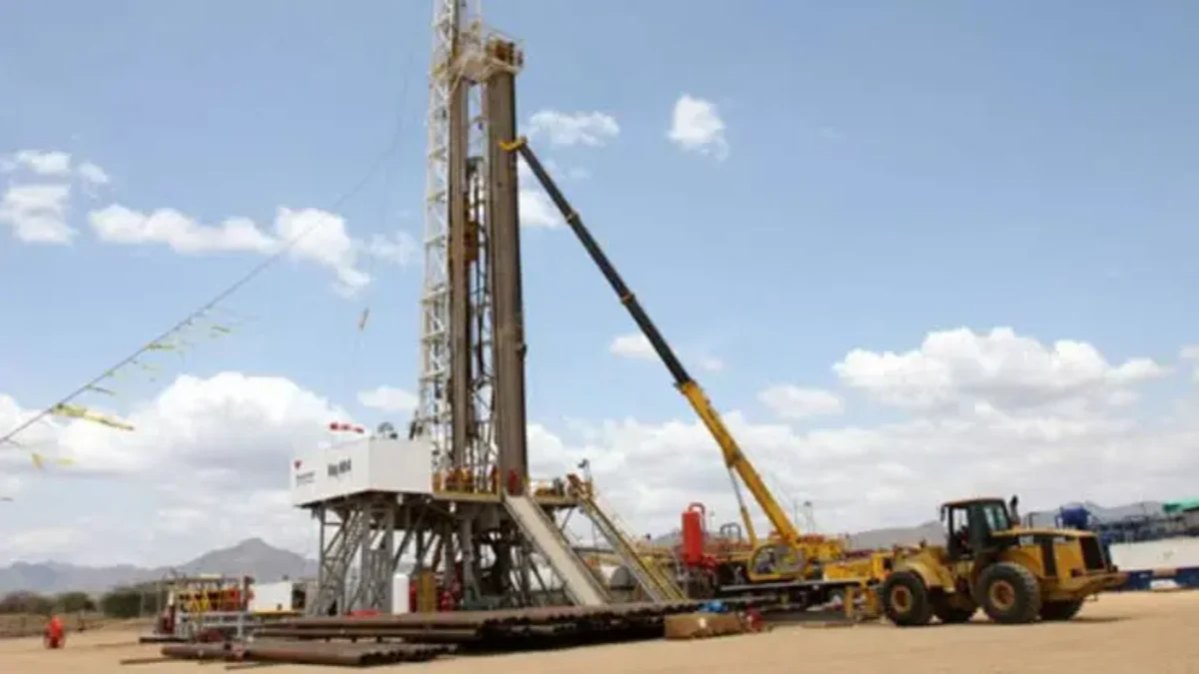
Kenya begins drilling at Turkana oil fields, targets first oil on 1 December
KRA rejects KenGen's Sh6bn tax break claims on power plant investments
Why a litre of petrol costs Sh227: inside Kenya's fuel price squeeze
Global Community Remarks
0