
US Army hails Iowa detonation of toxic explosives as 'huge success'
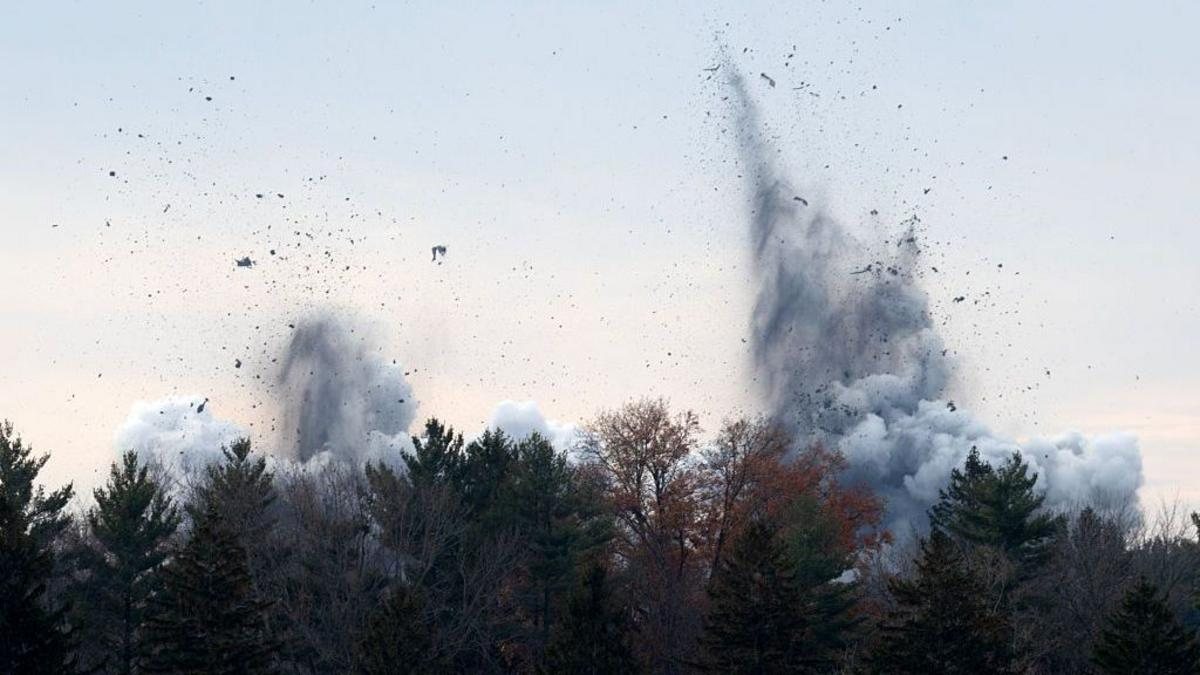
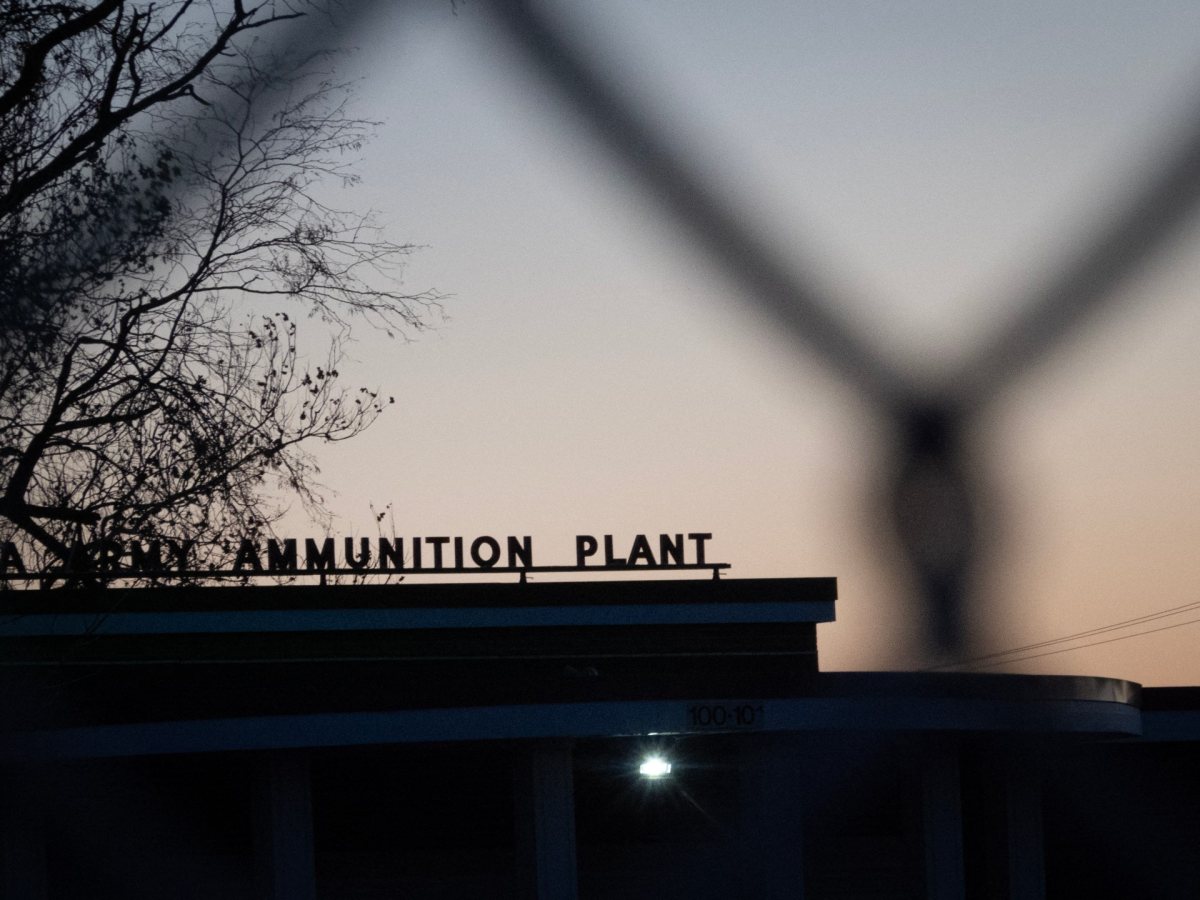
The US Army has declared the controlled detonation of nearly five tonnes of toxic explosives in the state of Iowa a "huge success", after weeks of anxiety among residents who feared lead contamination, according to BBC News World.
The blast took place shortly after 09:00 local time (14:00 GMT) at an ammunition plant near Middletown, with smoke seen rising into the sky afterwards. By Wednesday evening, the Army said the Federal Emergency Management Agency (Fema) had issued an "all clear" around the plant.
No airborne lead detected so far
In an update on X, the Army said no airborne lead had been detected following the explosion. It added that surface sampling was continuing and the results would be published once complete.
Environmental Protection Agency administrator Lee Zeldin also reported on social media that the agency's air monitors had recorded zero detection of airborne lead in the hours after the blast.
Acting Army Secretary Adam Telle said the operation had exceeded all expectations, while President Donald Trump said reports indicated that mitigation efforts had gone beyond what was expected. Ahead of the detonation, the Army had described the risk as being as close to zero as humanly possible.
Why the explosives were destroyed
The material, lead azide, is a volatile compound that had been in storage for about 20 years. Over time it degraded through a process known as recrystallisation, which made it more likely to go off accidentally through friction or movement.
Health experts consider no level of lead exposure to be safe, and children and pregnant women are especially vulnerable to its harmful effects.
Plans for the detonation were halted several times amid public outcry and legal challenges brought on health and environmental grounds. On Monday, however, an appeals court overturned an order blocking the blast, ruling that while the concerns raised were valid, the danger of an unplanned explosion was greater.
In the run-up to the operation, the Army repeatedly rescheduled the blast ahead of colder winter weather. Its warnings to locals about possible exposure to toxic lead dust caused some panic, and it introduced an optional evacuation zone and a shelter-in-place advisory.
Residents relieved
Middletown Mayor Rodney Johnson told the BBC he was relieved. He followed the detonation from his workplace about eight miles (12km) away while watching a camera at his home, which is roughly a mile from the site. "We did not feel anything. We did not see anything," he said.
Sandy Mabeus, who also lives about eight miles from Middletown, said her family shut their windows and garage, brought their cat indoors and followed the explosion on several live streams. She told the BBC they neither felt nor heard anything, and that the uncertainty in the lead-up had taken a toll on the area.
David Vandenberg, a farmer living about 20 miles away, said he heard a rumble at around nine o'clock but saw and smelt nothing. The Army Corps of Engineers had taken samples from his yard and pond on Tuesday, and he expects them to return for more. He said he believed the effects would be minimal.
Calls for transparency
Illinois Governor JB Pritzker said his state, whose border lies only about 10 miles (16km) from the site, was seeing little to no impact, but he directed state agencies to remain on standby.
Iowa's Governor-elect Rob Sand said more testing was needed and called for immediate transparency on why the preparations had been so chaotic and unclear. He said any Iowans affected must be fully looked after without delay.
Fema administrator Cameron Hamilton said further resources and testing would be provided in the coming days and weeks.
This story was prepared by the Hamasta Newsdesk with AI assistance, based on reporting by BBC News World. Read the original report. Photo: BBC News World.

Tell your story on screen.
Commercials, documentaries, interviews and social video, from script to final cut.





More in International
See all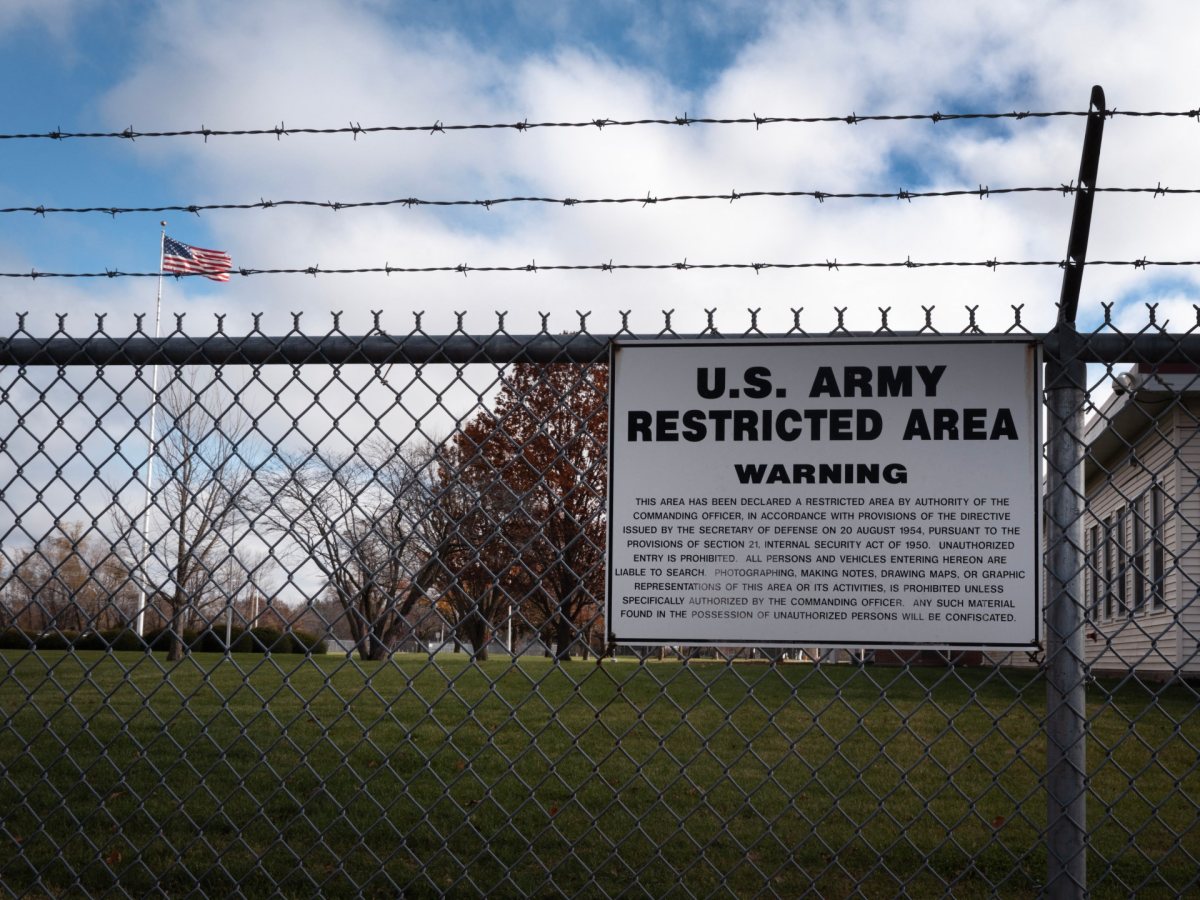
US Army to blow up 4.5 tonnes of unstable lead azide in Iowa despite toxic lead fears
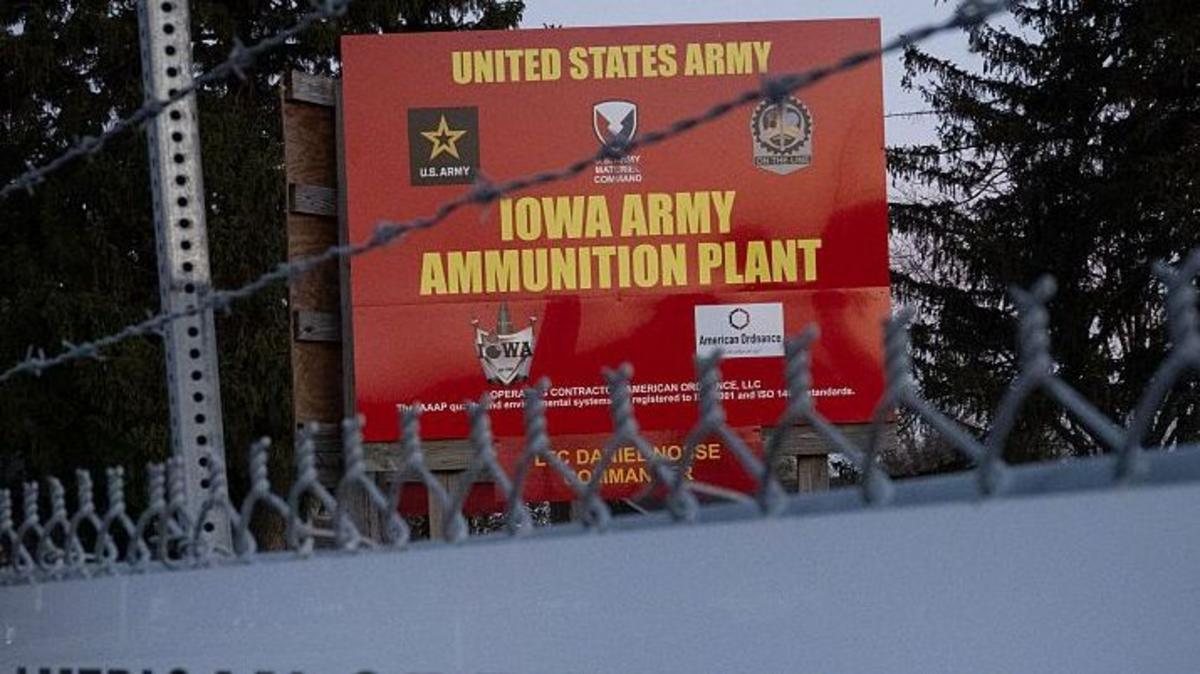
US Army to detonate unstable explosives in Iowa despite court-ordered pause
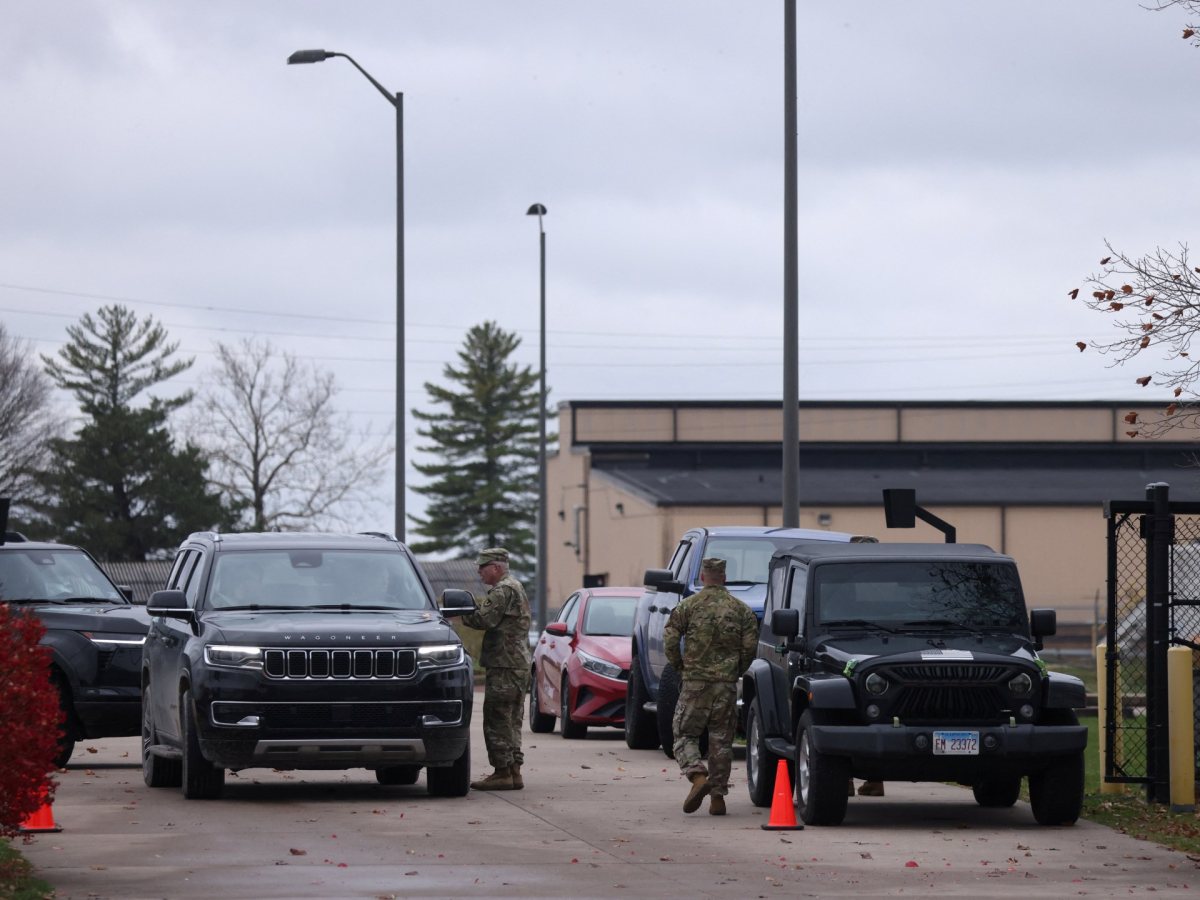
Trump halts Iowa explosives blast pending court and governor-elect approval
US Army plan to blow up lead-rich explosives in Iowa stalled by court

Ukraine says it struck Russian airbase east of Moscow, damaging five warplanes

Global Community Remarks
0