
UK to publish EU treaty texts with costly 10-year exit clause, BBC reports
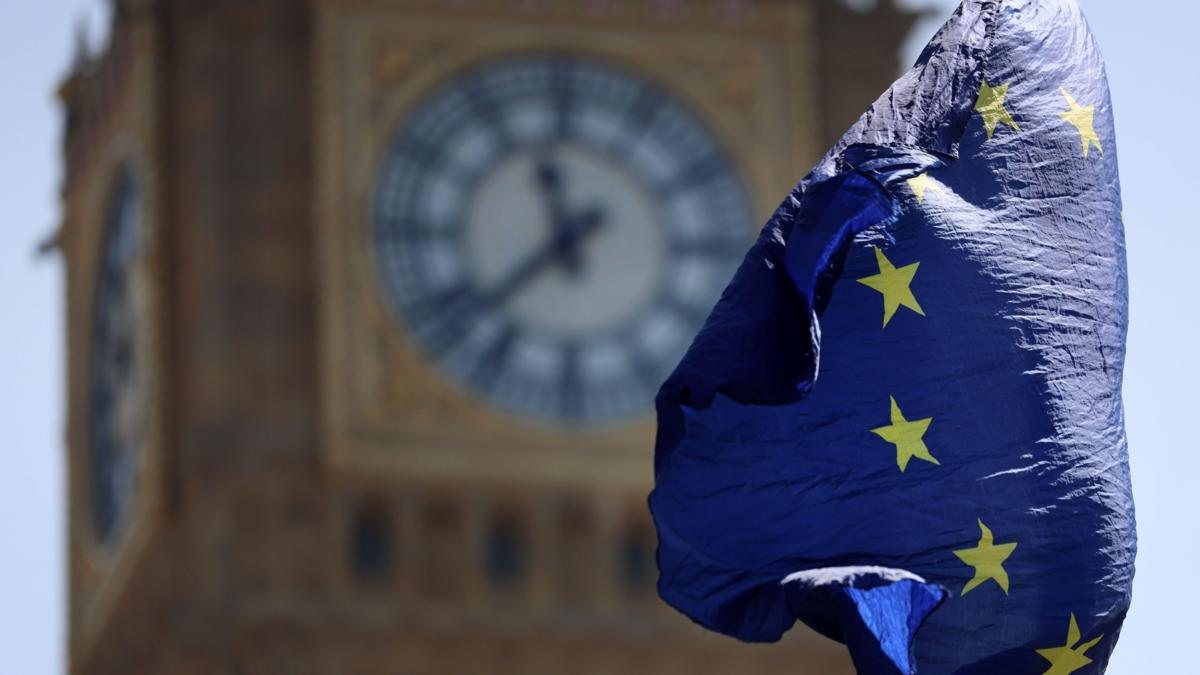
The UK government and the European Union are expected to publish on Thursday afternoon the texts of two treaties agreed last week, according to BBC Business. The treaties are reported to contain a clause that would make it expensive for either side to abandon the deal within its first ten years.
The treaties form part of what has been described as a Brexit reset deal. The government will also release the UK legislation needed to put most of the agreement into effect.
The termination clause
The BBC understands that the treaties include a 10-year termination provision. If either party ends the agreement during that period, it would have to cover the cost of rebuilding border checks infrastructure, which is set to be heavily reduced under the new arrangement.
This means a future British government, or the EU, that pulled out of the deal could face potentially large bills to restore border controls.
Opposition leader Kemi Badenoch and Reform UK leader Nigel Farage have both suggested they would refuse to pay such costs, according to the report.
What the deal covers
The agreement deals with British food exports, emissions trading and a youth experience scheme. The two legal texts due on Thursday cover the food trade and the emissions trading arrangements, and will be published alongside the government's cost-cutting bill to enact the deal.
Food exporters are expected to gain most from the removal of significant paperwork and checks, and the dismantling of border facilities. An internal analysis forecasts a 16% increase in agricultural exports.
Industry and government hope lower costs for food producers and sellers will reach consumers. However, shoppers may not notice a clear difference at the checkout. Industry insiders privately told the BBC that too many factors are at play in the global economy, particularly the energy price shock linked to war in the Middle East.
Plans to link the British and EU emissions trading schemes are expected to bring more of the UK's aviation and maritime industries under coverage. The treaty text will also set out how the UK will observe and help shape relevant EU rules without having a vote on them.
The legislation will further detail plans to use secondary legislation, including giving ministers so-called Henry VIII powers to align UK and EU laws directly.
New assessments of how the deal will affect different sectors and regions of the country are also expected.
Government defends agreement
European affairs minister Hamish Falconer said the Cutting Costs Bill would allow the government to implement two major trade agreements, remove paperwork for food and drink traders and shield billions of pounds of British exports from carbon taxes. He said it would
"make doing business with our largest trading partner cheaper and easier."
Presenting the agreement to MPs earlier this week, Prime Minister Andy Burnham described the new arrangements as pragmatic and said they were not a step towards anything further. He added that rejoining the EU without a referendum would be unthinkable.
Political divisions
The deal has already prompted debate over its costs, benefits and what it means for the longer-term relationship between Britain and the bloc.
Several former prime ministers have urged Mr Burnham not to reopen the Brexit debate. He dismissed them as stuck in the past and later said Labour would not keep returning to the subject of Europe.
Ms Badenoch accused the prime minister of overselling the deal and of trying to take Britain back to 2015, according to BBC Business.
This story was prepared by the Hamasta Newsdesk with AI assistance, based on reporting by BBC Business. Read the original report. Photo: BBC Business.




Know what people say about you.
Media monitoring, audience insights and strategic communication for your brand.


Read also
.jpeg)
UK anthem played in Brussels for first time since Brexit as Burnham meets EU leaders
UK PM Andy Burnham says Brexit has failed, seeks reset with EU before Brussels summit
UK and EU sign three deals in Brussels to reset post-Brexit relations
EU and UK seal youth mobility and trade deals in bid to reset post-Brexit ties

UK quietly moved refugee sex offender to Eswatini under undisclosed deal, BBC reveals
Global Community Remarks
0