
UK quietly moved refugee sex offender to Eswatini under undisclosed deal, BBC reveals
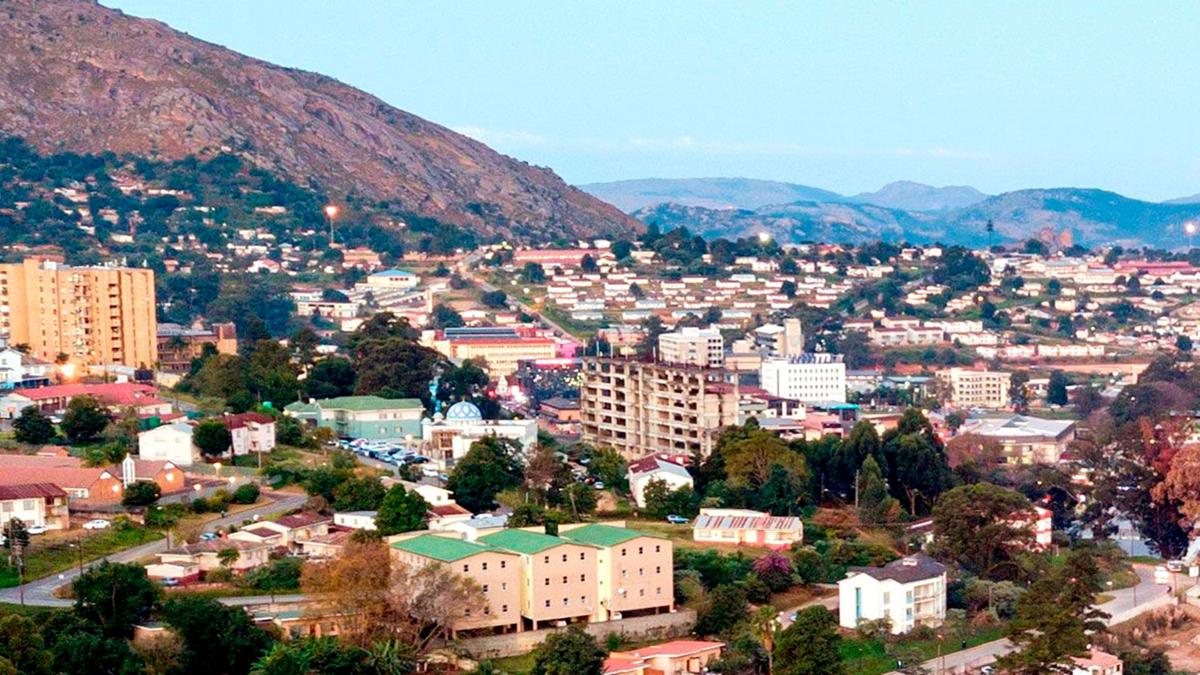
The United Kingdom forcibly resettled a Sri Lankan refugee with convictions for sexual assault in Eswatini, a country he had no ties to, under an arrangement that was not disclosed to the UK Parliament or to local communities, according to BBC News Africa.
Kishanth Peramalya, 35, who had a documented history of severe mental illness and repeated suicide attempts, took his own life a few months after arriving in the southern African kingdom. At the time, the two governments were finalising terms for him to stay there permanently.
Migration experts told BBC News Africa it was the first known case of the British government forcibly resettling a refugee permanently overseas in this way.
What the draft deal says
BBC News Africa obtained a draft of the agreement, under which London would cover the "reasonable costs" of Peramalya's housing, healthcare and other support for up to three years. The document gives no overall figure and does not set out how either government would manage the risks he posed to himself or others, though it acknowledges he needed support to protect his physical and mental health.
The UK government did not answer questions about the circumstances of the resettlement. A spokesperson said protecting the British public was its top priority, including stopping high-harm foreign criminals from entering the UK, and that it continues to work with Eswatini's authorities on the case. Eswatini authorities also did not respond to the BBC's questions.
From the Indian Ocean to southern Africa
Peramalya was among dozens of Sri Lankan asylum seekers rescued by the Royal Navy in the Indian Ocean in 2021 while attempting to sail from India to Canada. The group was held in a camp on Diego Garcia, a UK-US military base in the British Indian Ocean Territory.
Island authorities accepted that he could not safely return to Sri Lanka and granted him refugee protection, but he remained in the camp for three years. A court later found that the group's detention had been unlawful.
According to court papers, Peramalya had been tortured and sexually abused by Sri Lankan military officers as a teenager and was diagnosed with post-traumatic stress disorder. His mental health declined further on Diego Garcia, where UN inspectors raised concerns about his conditions. During that period he was convicted of assault, arson and four counts of sexual assault.
When most of the group was admitted to the UK in December 2024, ministers excluded him because of his crimes. The High Court upheld that decision. Court documents show the UK approached more than 20 countries without securing an agreement.
After the US began using Diego Garcia in its war with Iran in February 2026, non-essential personnel were withdrawn. The Maldives agreed to host him for 30 days from late March before he was moved to Eswatini.
Family and local anger
His sister, speaking from India, told BBC News Africa he had not wanted to go, was lonely after being placed alone in an isolated guesthouse, and called her several times a day. She said the family knew neither of the plan to make the move permanent nor of his sexual offences.
Melusi Simelane of the Southern African Litigation Centre, which is challenging a separate US deportation deal with Eswatini, said the country's health system was already under strain. "Africa is becoming a dumping ground for the world's unresolved problems," he told the BBC.
Zakithi Sibandze of the Eswatini Rural Women's Assembly questioned why Britain considered it acceptable to send a sex offender to Africa. In 2025, the Trump administration paid Eswatini $5.1m to accept up to 160 US deportees.
The UN refugee agency said it was deeply saddened by the death and stressed that third-country transfers require safeguards that work in practice. Peter Walsh of Oxford University's Migration Observatory called the case highly unusual, noting that third countries are generally reluctant to accept foreign offenders.
The case comes as Britain's Labour government, which scrapped the Rwanda asylum plan in 2024, seeks deals to send failed asylum seekers to third countries.
This story was prepared by the Hamasta Newsdesk with AI assistance, based on reporting by BBC News Africa. Read the original report. Photo: BBC News Africa.

Tell your story on screen.
Commercials, documentaries, interviews and social video, from script to final cut.





More in International
See all
Palestinian refugees born in Egypt still treated as foreigners decades after Nakba
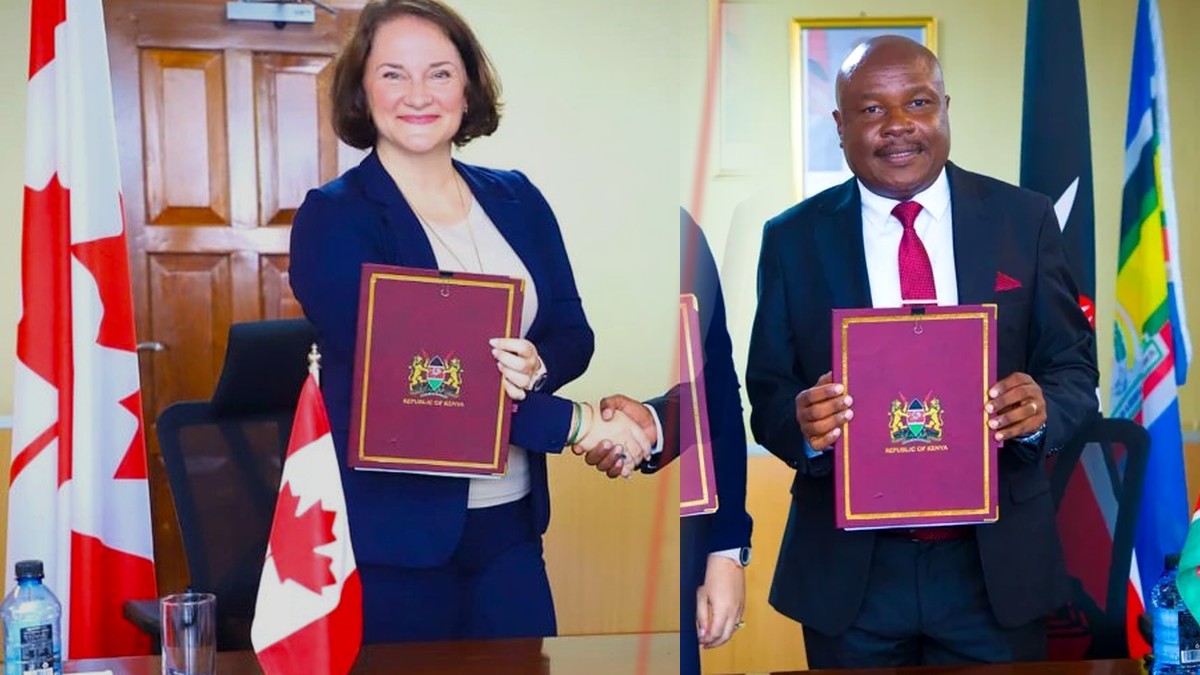
Kenya signs Canada jobs deal with Talent Beyond Boundaries to link skilled youth and refugees to overseas work
Moyale clashes on Ethiopia's Oromia-Somali border uproot thousands, drive refugees to Kenya
Kipchoge mentors first-ever refugee team at Youth Olympic Games in Dakar
90 pupils per class and less than Sh9,000 a month: Study finds refugee camp teachers are among Kenya's most committed and worst paid
Global Community Remarks
0