
Govt to Buy Laser-Equipped Vehicle to Spot Road Damage Early, Says CS Chirchir

The government plans to acquire specialised equipment that can detect weaknesses in roads before they turn into visible damage, in a bid to reduce the cost of road maintenance, according to Kenyans.co.ke.
Roads and Transport Cabinet Secretary Davis Chirchir said on Wednesday that the Kenya Roads Board will purchase a Traffic Speed Deflectometer, a tool designed to flag pavement deterioration at an early stage.
Chirchir made the announcement in Mombasa while officially opening the 33rd Institution of Engineers of Kenya (IEK) International Convention.
Shift to data-driven maintenance
The CS said the planned purchase is part of a broader move towards using data to guide decisions on which roads need attention and where maintenance money should go.
He told the convention that the equipment would enable early detection of pavement deterioration and allow for "better targeting of maintenance investments".
According to the report, the move marks a departure from traditional manual inspections, which rely largely on what engineers can see on the road surface.
How the technology works
A Traffic Speed Deflectometer is a specialised vehicle fitted with laser sensors. It measures how a road surface reacts to the weight of passing traffic.
Key features of the system, as described in the report, include:
- Detecting structural weaknesses in pavements that may not be visible during ordinary inspections.
- Collecting measurements while moving at normal traffic speed.
- Allowing engineers to assess longer stretches of road in a single exercise.
By identifying roads that require urgent repairs, the government expects to improve road safety while spending less on maintenance.
Lowering the cost of doing business
Chirchir framed the plan within the ministry's wider infrastructure goals, saying the focus is on projects that reduce costs, improve connectivity and support local professionals.
He said the ministry's priority was to deliver infrastructure that lowers the cost of doing business, enhances connectivity, empowers local engineering firms and professionals, and drives economic growth.
The government expects the new technology to benefit motorists as it seeks to cut the costs associated with road inspection and maintenance.
Ksh44.8 billion plan for Nairobi junctions
At the same event, the CS also outlined plans to modernise traffic management in the capital.
He said the ministry intends to upgrade 230 major junctions in Nairobi through a three-phase investment estimated at Ksh44.8 billion.
The project will rely on Intelligent Transport Systems (ITS), which are expected to improve traffic flow and urban mobility in the city and reduce congestion.
Chirchir described the ITS programme as part of efforts to transform how people move around Nairobi, which has long grappled with heavy traffic at its main intersections.
The ministry did not give a timeline for the acquisition of the deflectometer or the cost of the equipment, according to the report.
This story was prepared by the Hamasta Newsdesk with AI assistance, based on reporting by Kenyans.co.ke. Read the original report. Photo: Kenyans.co.ke.


Take your event live to thousands.
Multi-camera live streams, panel discussions and digital broadcasts with professional crews.




More in Technology
See all
Roads ministry still owes contractors Sh98bn despite Sh208.6bn securitisation payouts, Chirchir tells MPs
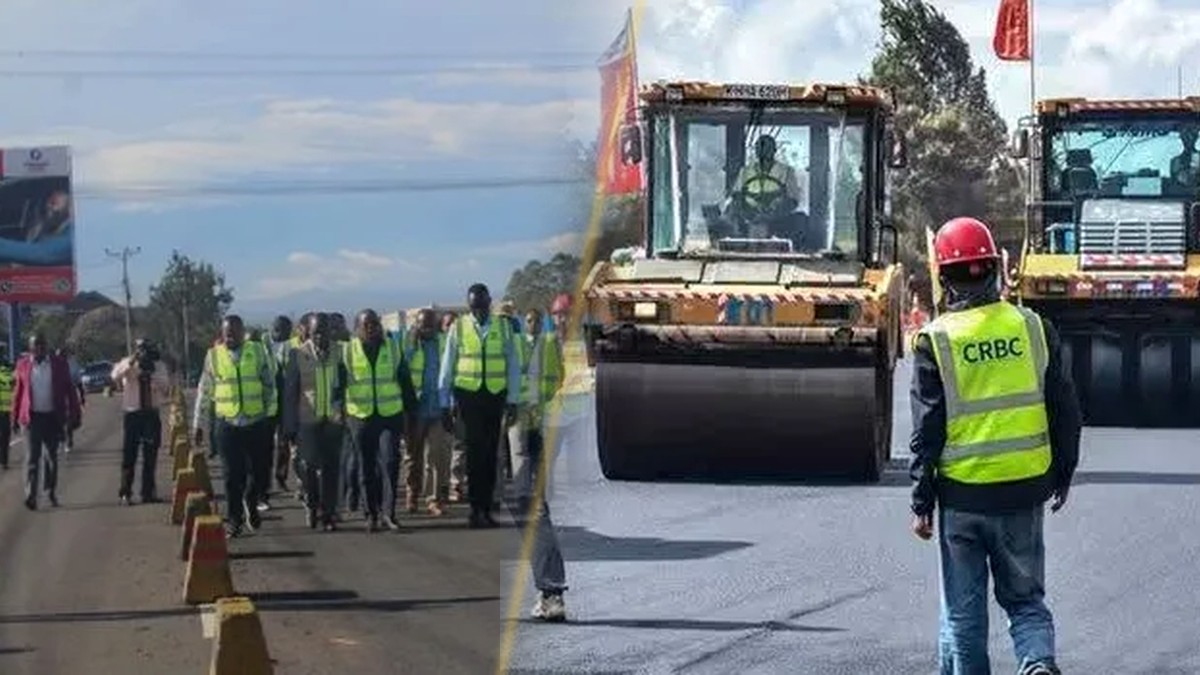
Rironi-Naivasha highway misses October deadline as Chirchir pushes opening to December
Motorists could face a new road charge as electric vehicles eat into the fuel levy, State Department for Roads says
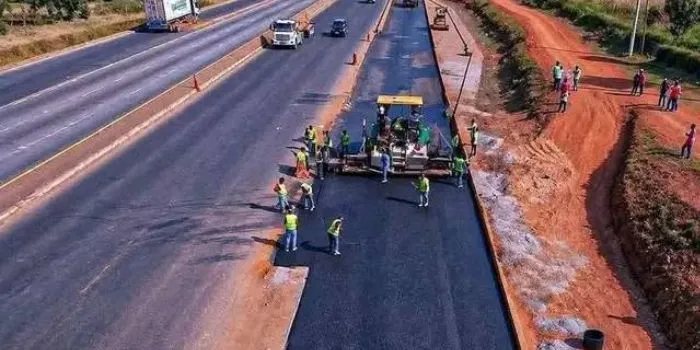
KeNHA Eyes Japanese Plastic-Asphalt Technology as Bitumen Shortage Stalls Roads

Moi-era Nairobi PC Davis Chelogoi jailed three years over forged title to Sh1.35bn Lower Kabete land

Global Community Remarks
0