
Govt to Buy Milk Analysers for 250 Sites in Shift to Quality-Based Pay for Farmers
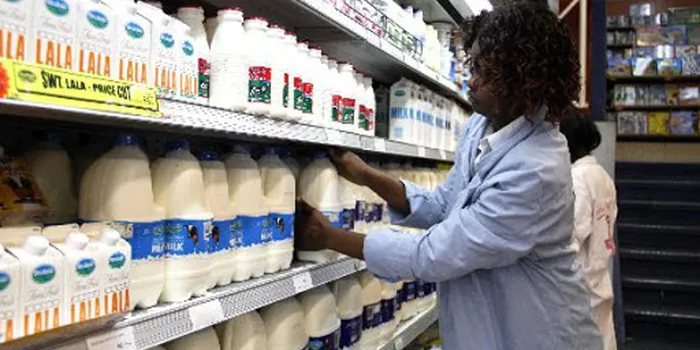
Dairy farmers in Kenya may soon be paid according to the quality of the milk they deliver. The government is preparing to buy milk analysers for 250 sites across the country, according to Kenyans.co.ke.
The State Department for Livestock Development announced the plan in a public tender notice on Tuesday, November 24. The procurement will be handled through the Livestock Value Chain Support Project, which runs under the Ministry of Agriculture and Livestock Development.
How the system would work
The analysers are meant to help dairy producer organisations set up a quality-based payment model. Under the proposal, the machines will test milk at the point of delivery. The test results will then help decide how much each farmer is paid.
The notice said the ministry intends to procure the equipment "to support various dairy producer organisations in pursuit of a quality payment system".
Companies interested in supplying and delivering the analysers must submit bids through the government's electronic procurement system. The deadline is 11am on December 9.
Push to improve farmers' earnings
The tender comes as the government responds to complaints about how dairy farmers are paid for milk supplied to processors.
In October, President William Ruto announced that farmers would receive Ksh65 for every litre of milk delivered. He also announced a quarterly bonus of Ksh2 per litre.
The analysers are expected to add a quality measure to how payments are worked out. Farmers who deliver better milk could gain from this.
Processors receiving less milk
The plan also comes as the formal dairy sector sees falling deliveries to processors, even though national milk production has grown.
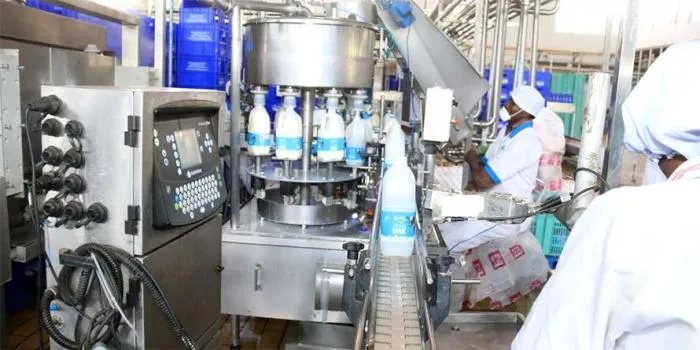
Data from the Kenya National Bureau of Statistics (KNBS) shows processors took in 74.8 million litres of milk in September. That was down from 79.1 million litres in August 2026, a drop of 4.3 million litres in one month.
Total deliveries to processors between January and September came to 750.2 million litres. This was two per cent lower than the same period in 2025.
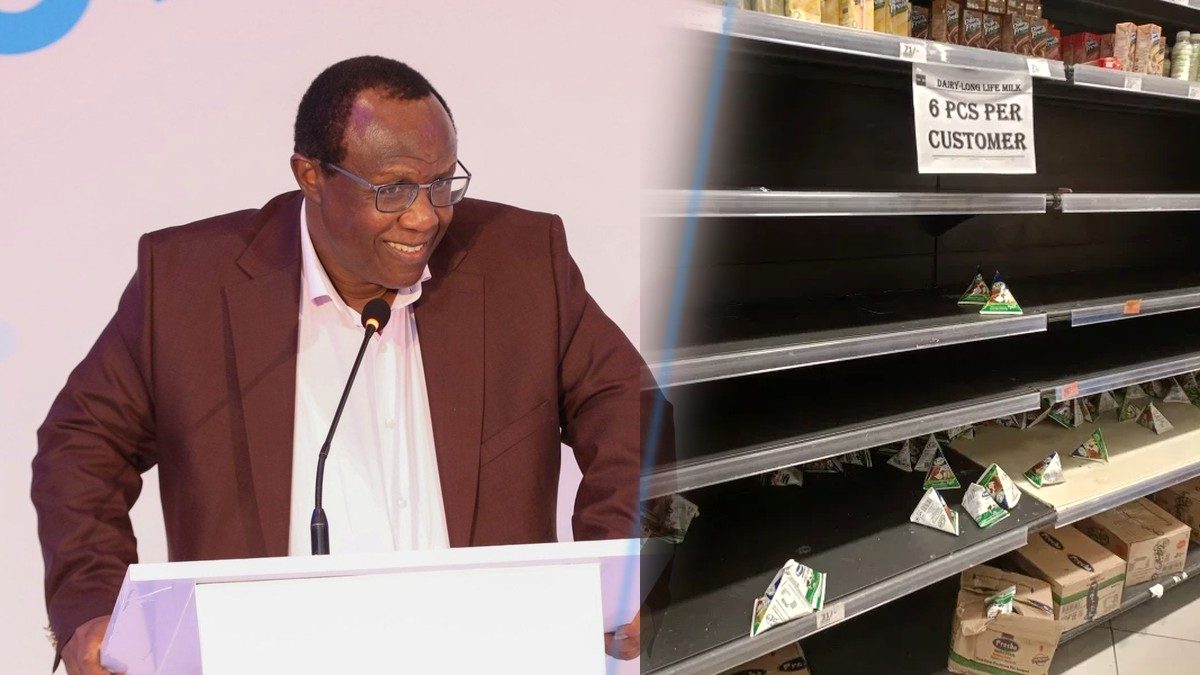
Part of the decline has been linked to farmers selling milk directly to consumers in search of better prices. According to Kenyans.co.ke, this shift has cut supplies to processors and contributed to milk shortages in some retail outlets.
What to watch
Several details of the new model have not yet been made public:
- Which 250 sites will receive the equipment
- Which dairy producer organisations will benefit
- When the quality-based payment system will start
These details are expected to become clearer once the tender is awarded and the analysers are delivered.
This story was prepared by the Hamasta Newsdesk with AI assistance, based on reporting by Kenyans.co.ke. Read the original report. Photo: Kenyans.co.ke.

Tell your story on screen.
Commercials, documentaries, interviews and social video, from script to final cut.





More in Business
See all
Kenya's dairy farmers short of 30 million tonnes of feed a year, study finds
Feed costs, fodder gaps and weak markets holding back Kenya's dairy sector, report says
.jpeg)
Women do 80% of dairy work but men control the milk money, Heifer report finds
'You will find crates of milk sitting there': Ndii blames empty supermarket shelves on affordable housing workers, not falling supply
Milk Deliveries to Processors Fall by 4.3 Million Litres as Shortage Bites

Global Community Remarks
0