
Wandayi vows to shield Kenyans from unreasonable power costs as demand hits record
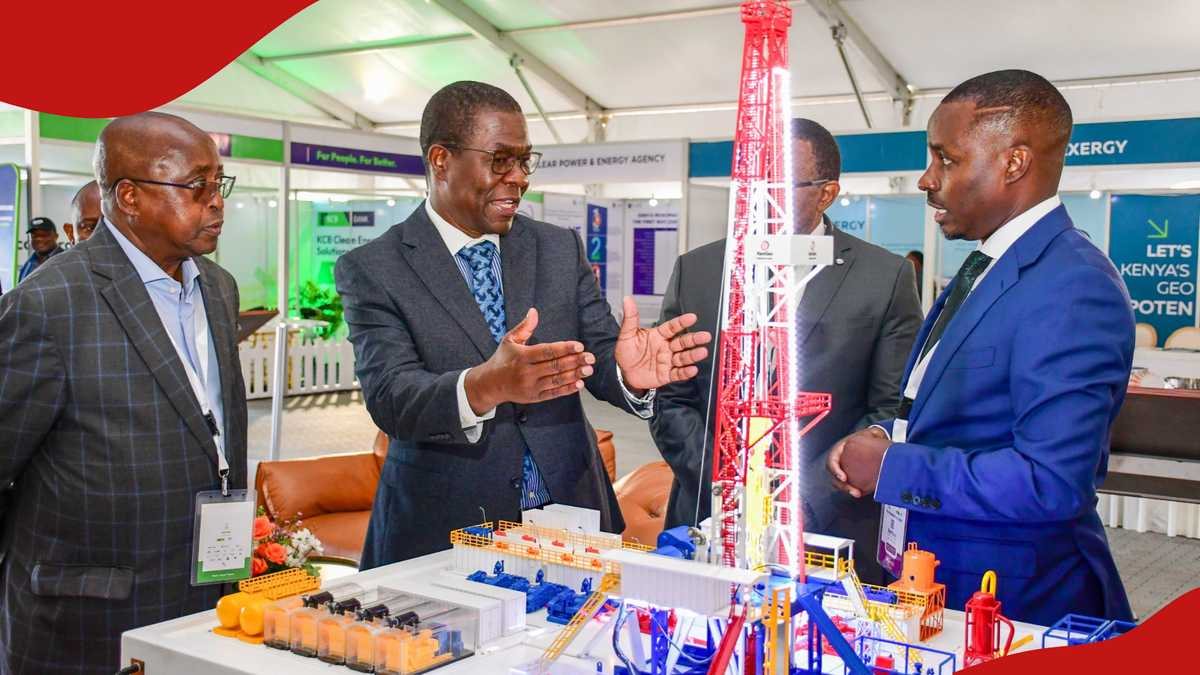
Energy and Petroleum Cabinet Secretary James Opiyo Wandayi has told private investors that protecting Kenyan consumers from unreasonable electricity costs will remain a core part of the country's energy policy, even as the government seeks fresh capital to keep up with rising demand.
The CS spoke on November 26, 2026, while opening the 2026 Sustainable Energy Conference in Olkaria, according to Tuko. The event, organised by KenGen, ran under the theme "Powering Africa's Green Industrial Revolution."
Tighter rules on tariffs and contracts
Wandayi said his ministry would partner with the Energy and Petroleum Regulatory Authority (EPRA) to strengthen the rules governing power purchase agreements, licensing and tariffs.
While he promised investors clear and consistent regulations meant to draw capital into the sector, he made it plain that the cost of power to consumers would not be left open-ended, Tuko reported.
Record demand puts pressure on the grid
The minister pointed to a national peak demand of about 2,550 megawatts, recorded in July 2026, describing it as a sign of a growing economy. He warned, however, that building more generation capacity on its own would not be enough to meet the country's needs.
He called on investors to put money into battery storage systems, arguing that such facilities would allow the national grid to take in more solar and wind power and release it when demand peaks. The conference summary also highlighted transmission as a priority area for investment.
Renewables at the core
According to Wandayi, Kenya now draws roughly 90 per cent of its electricity from renewable sources, including geothermal, hydro, wind and solar. He said this places the country among a small group of nations worldwide to reach that level.
He credited the milestone to long-running partnerships between KenGen, the Geothermal Development Company (GDC) and independent power producers, which he said have made Kenya one of the world's leading producers of geothermal energy.
Universal access and regional links
The CS described universal access to electricity as non-negotiable. He cited Kenya's participation in Mission 300, a joint World Bank and African Development Bank initiative that aims to connect 300 million Africans to electricity by 2030. Kenya has outlined its commitments under the programme in its National Energy Compact.
He also referred to existing power interconnections with Ethiopia, Uganda and Tanzania, as well as ongoing work through the Eastern Africa Power Pool to build a wider regional market for clean energy.
Counties urged to act
Wandayi closed by urging county governments to finalise their energy plans as required under the Energy Act. He argued that aligning national and county planning would speed up progress across the sector.
The remarks come after the CS recently launched two electricity projects worth KSh 11.79 million in Budalangi, Busia County, targeting 148 households, Tuko previously reported. The wider programme in the area aims to connect 1,198 households. During that visit, Wandayi also urged residents to back President William Ruto's 2027 re-election bid.
This story was prepared by the Hamasta Newsdesk with AI assistance, based on reporting by Tuko. Read the original report. Photo: Tuko.

Tell your story on screen.
Commercials, documentaries, interviews and social video, from script to final cut.





More in Business
See all
EPRA Adds About Ksh4.56 Per Unit to Electricity Bills for November

Wandayi: Opposition Envious of Ruto's Development Record as Narok Gets Power Project
Kenya Power Seeks Partners to Offer Electricity Token Loans to Prepaid Customers

Wandayi says opposition has sensed defeat after IEBC walkout, hails Turkana oil
Kenya Power warns households may pay more as its retail monopoly ends
Global Community Remarks
0