
Ruto signs sexual offences laws banning maslaha deals, setting six-month trial limit
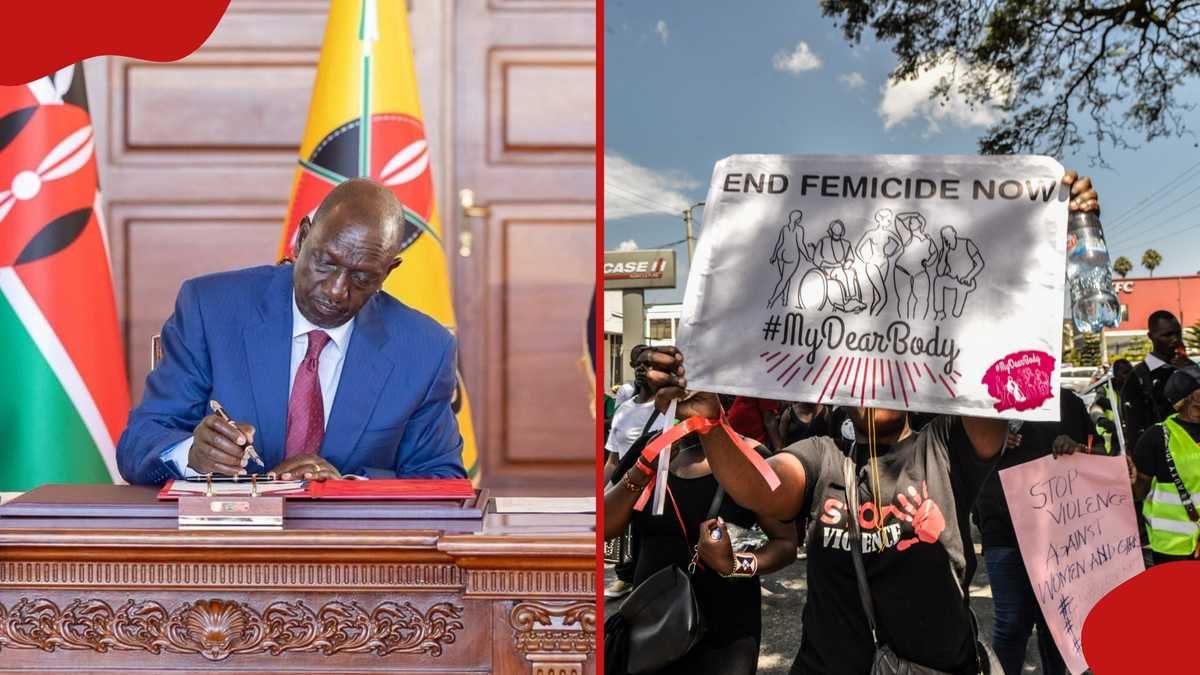
President William Ruto has signed two Sexual Offences (Amendment) Bills into law, introducing measures meant to shield survivors of sexual violence and speed up their path to justice, according to Tuko.
The laws, assented to at State House, Nairobi, outlaw the withdrawal of sexual offence charges solely because the parties reached an agreement outside court. They also make it a crime to pressure a victim into dropping a complaint, and require trials to be completed within six months of a plea being taken.
The two bills were tabled in 2023 and 2025. Together, they address obstacles that have long kept victims away from the courts, including stigma, intimidation of witnesses and pressure to settle matters informally, Tuko reported.
Targeting maslaha settlements
The Sexual Offences (Amendment) Bill, 2025, was sponsored by Garissa County Member Udgoon Siyad Kuno. It is aimed squarely at practices that have allowed suspects to escape prosecution.
Chief among these is maslaha, an informal dispute resolution mechanism that has at times been used to settle sexual offence cases away from the formal justice system. Under the new law, an out-of-court agreement can no longer on its own be grounds for dropping charges.
The legislation further criminalises any attempt to coerce or persuade a victim to withdraw a complaint, closing a route through which survivors have reportedly been pressured into silence.
Day-to-day hearings and a six-month deadline
To stop cases from stalling for years, the 2025 law requires sexual offence trials to be heard on a day-to-day basis. Proceedings must be concluded within six months from the date the accused enters a plea.
Extensions to that timeline will only be allowed where genuinely unforeseen circumstances arise, according to the report.
Awareness campaigns and protecting education
The earlier Sexual Offences (Amendment) Bill, 2023, places its emphasis on prevention and public education. It provides for nationwide awareness campaigns intended to encourage people to report sexual offences, reduce the stigma attached to such cases and help citizens understand their legal rights.
The law also sets up programmes to protect the right to education for survivors. It pays particular attention to girls who have become pregnant in their teenage years, seeking to ensure they are able to stay in school.
Psychological support and counselling services form part of this framework, with the aim of helping affected learners continue their studies.
During the signing ceremony, President Ruto commended Kisii County MP Doris Donya Aburi for her work in raising public awareness of sexual offences, Tuko reported.
What the changes mean
Taken together, the two laws are intended to build a justice system that survivors can rely on. The reforms seek to ensure that reporting a sexual offence does not expose a victim to further harm or pressure, and that perpetrators cannot negotiate their way out of accountability.
Key provisions of the new laws include:
- A ban on dropping sexual offence charges solely because of an out-of-court settlement
- Criminal penalties for coercing or persuading victims to withdraw complaints
- Day-to-day trials to be concluded within six months of plea
- Nationwide awareness campaigns to encourage reporting and reduce stigma
- Education protection programmes for survivors, including girls affected by teenage pregnancy
- Psychological support and counselling services for affected learners
This story was prepared by the Hamasta Newsdesk with AI assistance, based on reporting by Tuko. Read the original report. Photo: Tuko.



Grow an audience that listens.
Social media management, digital campaigns and online storytelling that converts.



More in Politics
See all
DPP orders Yala clinician charged with defiling 14-year-old girl, says sexual offences cannot be diverted

'Sexual favours' for party tickets and gangs for hire: Kisumu women aspirants name what is pushing them out of the 2027 race
New SOPs aim to stop sexual violence cases collapsing before reaching court

Flagship Biography: William Samoei Arap Ruto
Teach children safe tech use instead of banning devices, Kenyan educators urge

Global Community Remarks
0