
Industries get easier access to half-price night power after EPRA drops growth rule
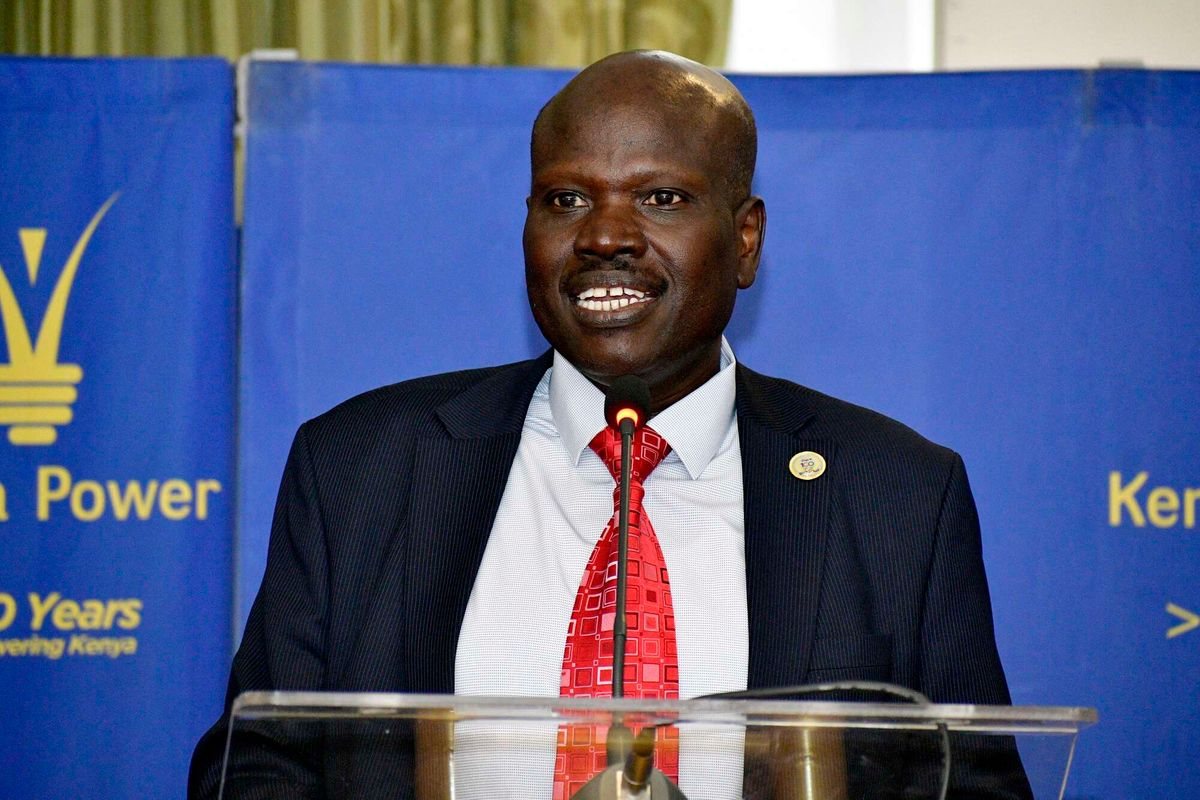
More Kenyan manufacturers and large businesses can now pay half price for electricity used at night after the energy regulator scrapped a key condition for the discounted tariff, according to Business Daily.
Until the change, firms had to raise their electricity use by six percent between 10pm and 6am over a six-month period before they could qualify for the cheaper rates. That condition no longer applies. The discount is officially known as the Time of Use (ToU) tariff.
Kenya Power disclosed the change in its annual report. The utility said the Energy and Petroleum Regulatory Authority (EPRA) revised the minimum thresholds for the tariff in the last quarter of the financial year, widening the pool of customers who can use it.
More firms, more off-peak power
Official figures cited by Business Daily show that 2,614 firms and industries used the preferential tariff in the year to June 2026. This was up from 2,339 the year before, an increase of 275 customers.
Electricity consumed under the ToU tariff rose to 267.6 million kilowatt-hours (kWh) over the same period, compared with 180.3 million kWh a year earlier. That is a rise of roughly 48 percent, which Kenya Power credited to the removal of the growth requirement.
Under the discounted scheme, the smallest qualifying consumer pays Sh5.58 per kWh instead of Sh11.16. The largest users pay Sh9.95 per kWh, down from the standard Sh19.
According to the report, the off-peak rates apply from midnight to 8am. On Saturdays and public holidays they also cover the period from 2pm to midnight, and on Sundays they apply all day.
Pressure from manufacturers
Industry players have lobbied the government for about two years to relax the rules. They argued that the six percent growth condition shut out many consumers who would otherwise have benefited.
Power is one of the largest running costs for heavy electricity users. The cheaper night tariffs are meant to lower their bills and support the push for a 24-hour economy.
High electricity costs have long been a burden for Kenyan businesses. The World Bank puts the average cost of a kWh in Kenya at $0.23 (Sh29.8), well above levels in neighbouring economies.
"Kenya's electricity prices are among the highest in the region," the World Bank said in September.
The lender added that industrial tariffs in Kenya average between $0.18 and $0.23 per kWh. It compared this with about $0.03 to $0.05 in Egypt, Ethiopia and Morocco.
Why off-peak pricing matters for the grid
Kenya first introduced the ToU tariff in December 2017. The aim was to encourage commercial and industrial customers to use more power during off-peak hours. In April 2023, eligibility was extended to small commercial customers and electric mobility users.
The scheme lets big consumers increase production when national demand is low and prices are cheaper. It also raises Kenya Power's electricity sales.
Moving some demand away from peak hours also helps the grid. It makes better use of generation capacity that would otherwise sit idle at night and eases strain when demand is highest.
Keeping supply and demand in balance is critical to the stability of the national grid. The tariff therefore plays a role in protecting Kenya Power's network and helping to prevent blackouts.
This story was prepared by the Hamasta Newsdesk with AI assistance, based on reporting by Business Daily. Read the original report. Photo: Business Daily.





Show the impact of your work.
Impact stories, campaign videos and community engagement for NGOs and programmes.

More in Business
See all
EPRA Adds About Ksh4.56 Per Unit to Electricity Bills for November
Kenya Power Seeks Partners to Offer Electricity Token Loans to Prepaid Customers
MPs Conditionally Back Rules Letting Big Power Users Buy Outside Kenya Power
Why a litre of petrol costs Sh227: inside Kenya's fuel price squeeze

EPRA tells MPs no outside hand sets fuel prices as committee demands vernacular radio updates and adulteration crackdown
Global Community Remarks
0