
Wandayi calls for private capital to close Africa's electricity gap
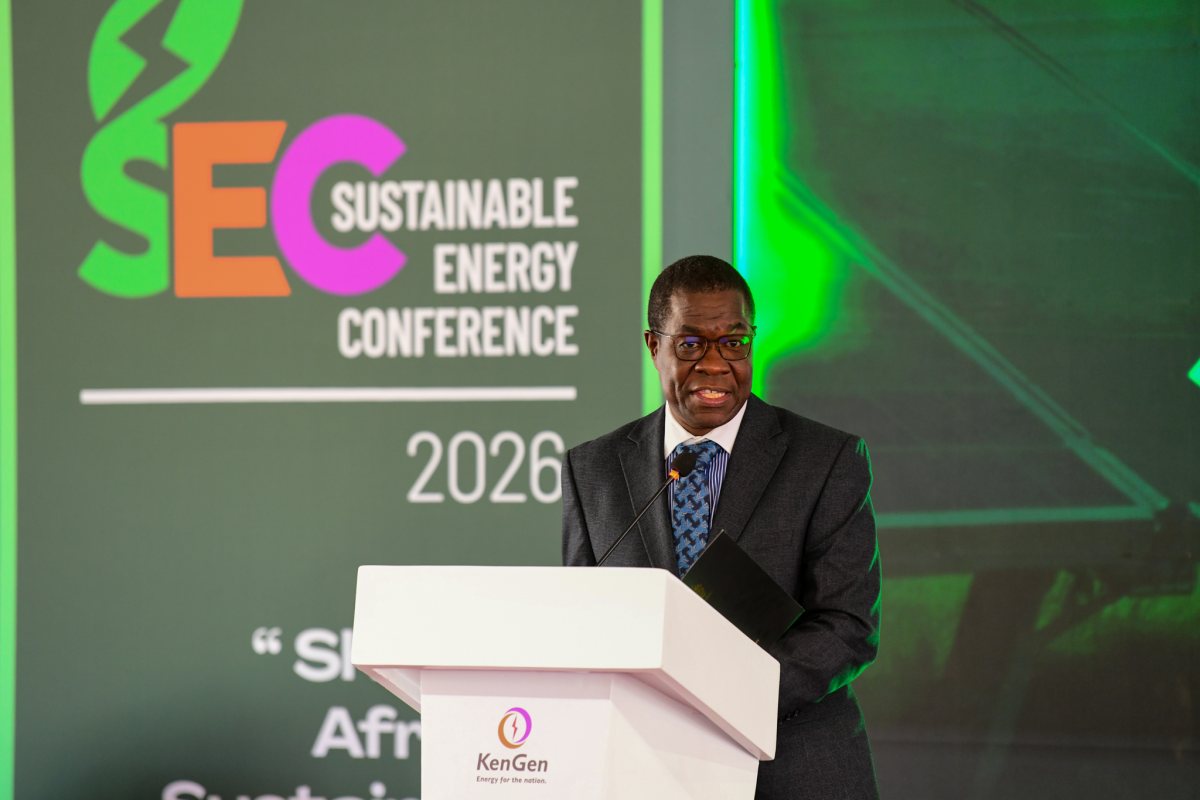
Kenya wants more private money flowing into Africa's energy sector, with Energy and Petroleum Cabinet Secretary James Opiyo Wandayi arguing that new ways of financing and closer regional cooperation are essential if the continent is to widen electricity access and industrialise.
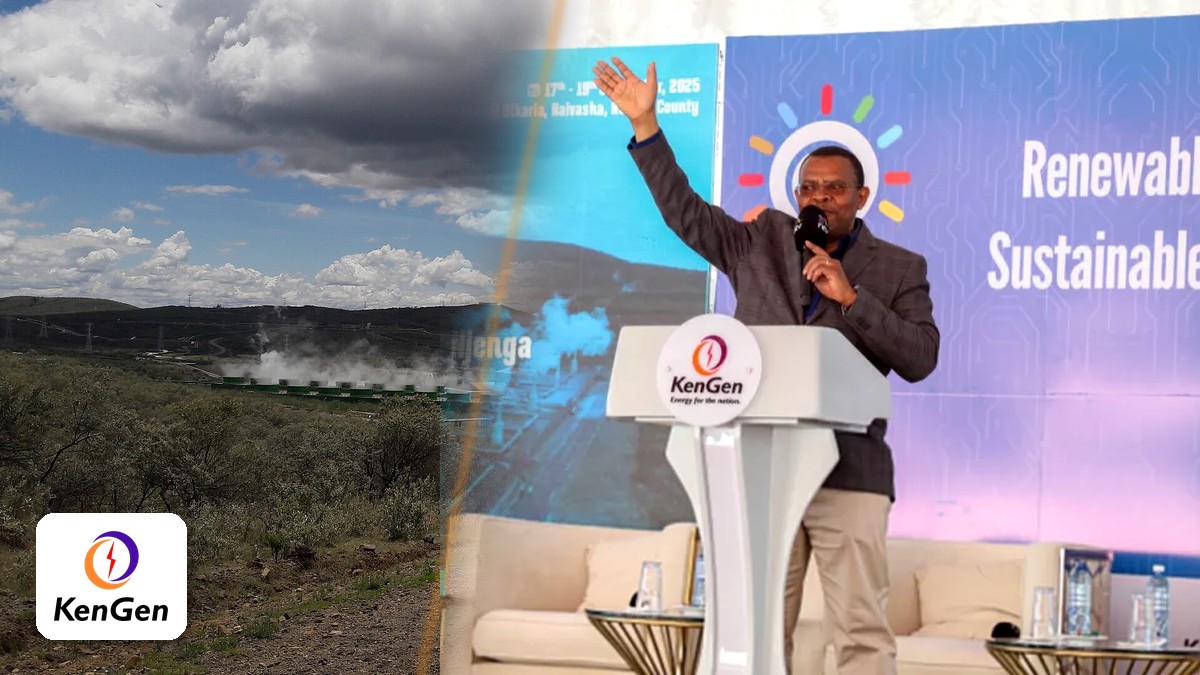
Wandayi made the case at the Sustainable Energy Conference 2026 in Naivasha, according to KBC. He said governments must turn to alternative financing models, pointing out that more than 600 million people across Africa still have no electricity.
Financing options on the table
The Cabinet Secretary singled out three channels he considers critical for raising the capital needed to build energy infrastructure:
- Public-private partnerships
- Green infrastructure bonds
- The National Infrastructure Fund
He acknowledged a balancing act in the push for investment. According to KBC, Wandayi said the challenge lies in drawing in investors while making sure power stays affordable for consumers.
Rising demand at home
Kenya's own electricity demand has already gone beyond 2,500 megawatts, KBC reported, and is expected to keep climbing as the economy grows.
To shore up energy security, the government is pursuing regional power integration, including through the Eastern Africa Power Pool, which links the grids of countries in the region.
The country's electrification plan is built around its National Energy Compact. The strategy blends extension of the national grid with mini-grids and off-grid solar systems to reach households and businesses.
That approach is aligned with Mission 300, an initiative that aims to connect 300 million Africans to electricity by 2030.
KenGen's expansion plans
State-owned power producer KenGen also outlined its plans at the conference. The company is aiming to add 250 megawatts to the national grid by 2027, as part of a wider renewable energy pipeline estimated at about 5,500 megawatts.
According to KBC, the planned additions include:
- Geothermal projects at Olkaria
- 42.5 megawatts of solar capacity across the Seven Forks hydropower stations
- A 100-megawatt battery energy storage system expected in 2027
KenGen Chief Executive Officer Peter Njenga said the projects would improve the reliability of the grid and help meet growing demand for clean electricity.
The battery storage system would be a notable addition, as storage allows power generated from sources such as solar to be held and released when demand peaks.
A continental conversation
The Naivasha meeting ran under the theme "Powering Africa's Green Industrial Revolution" and drew policymakers, investors and energy specialists to discuss financing and technology options for the continent's shift to cleaner power.
Participants stressed that sustained investment in power that is reliable, affordable and clean is needed to drive industrialisation and economic growth across Africa, KBC reported.
Kenya already draws a large share of its electricity from renewable sources, notably geothermal and hydropower, and the government's message in Naivasha was that private capital will be central to scaling up that model both at home and across the region.
This story was prepared by the Hamasta Newsdesk with AI assistance, based on reporting by KBC. Read the original report. Photo: KBC.
Every moment, captured beautifully.
Events, corporate portraits, products and editorial shoots by our newsroom photographers.






More in Business
See all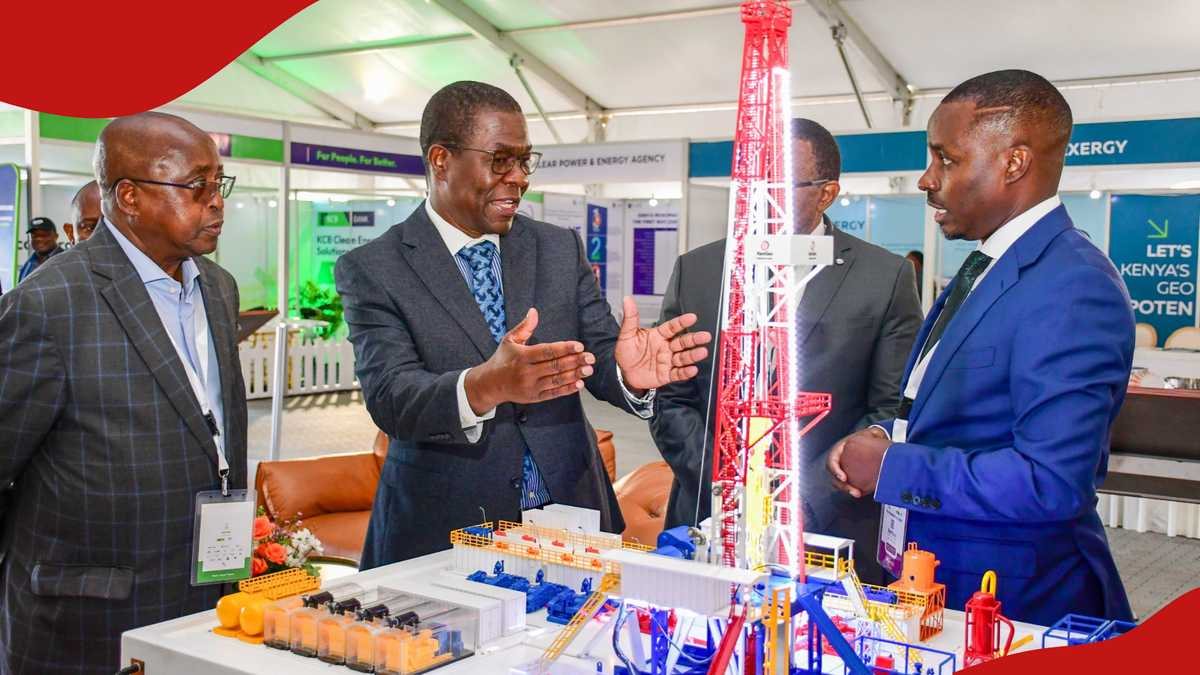
Wandayi vows to shield Kenyans from unreasonable power costs as demand hits record
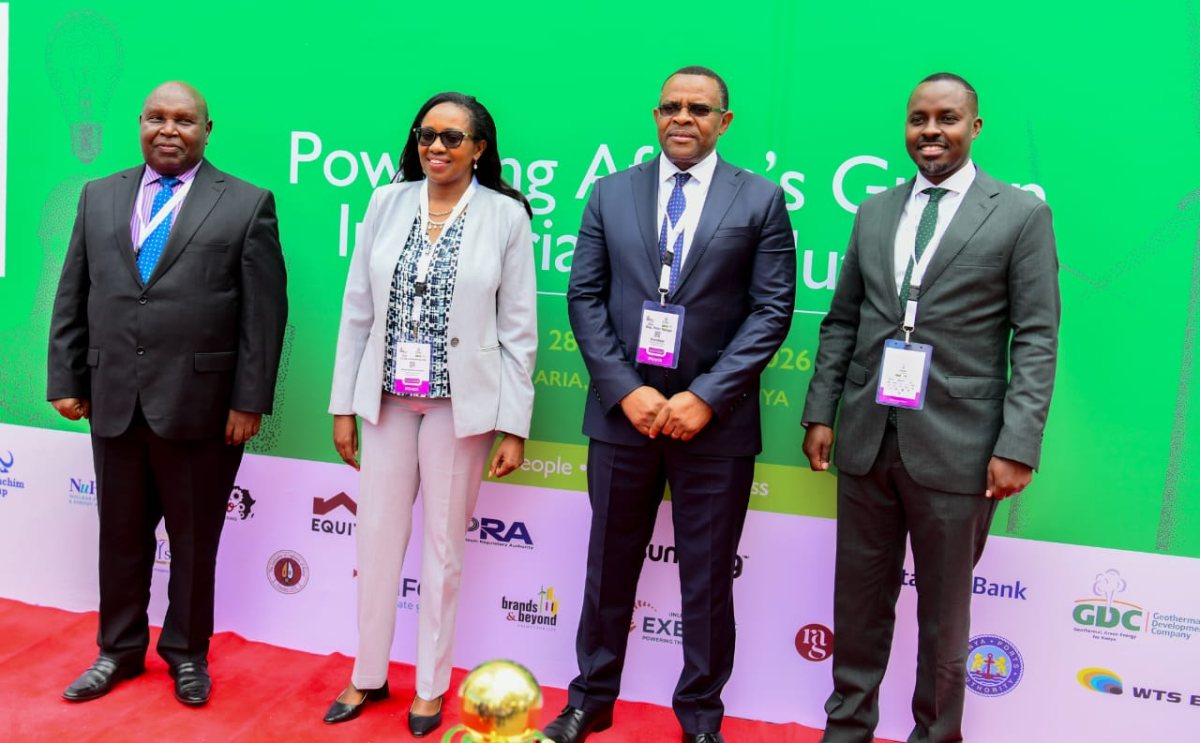
KenGen lines up solar, hydro and geothermal projects as energy summit opens in Naivasha
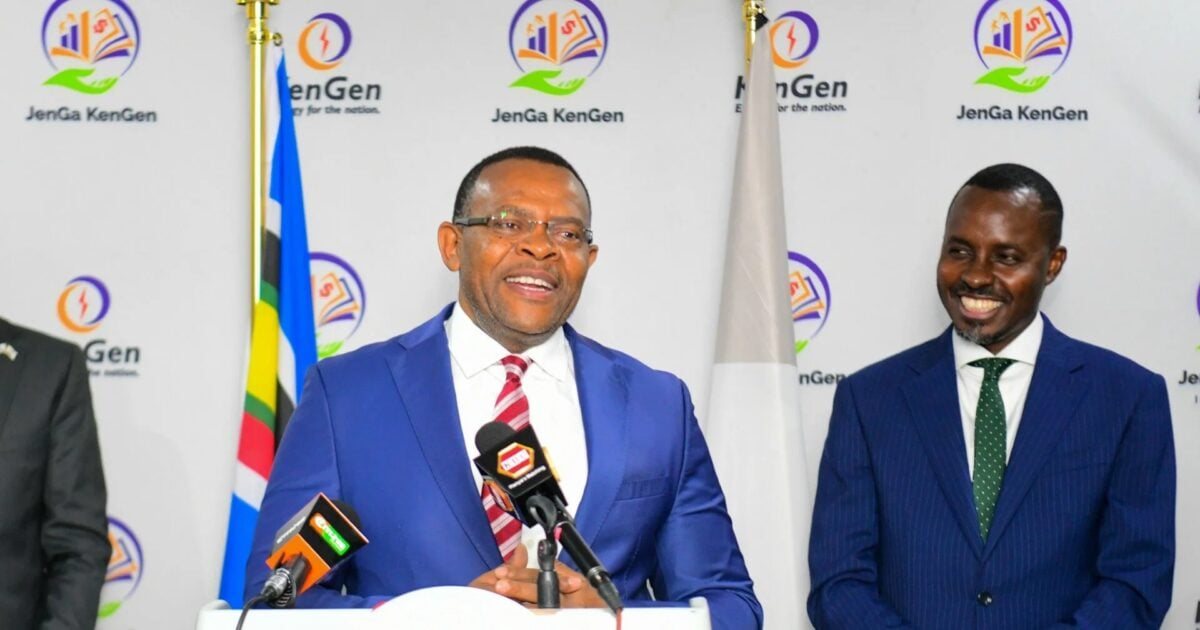
KenGen pitches Olkaria geothermal power to draw Sh103bn green fertiliser plant
KenGen ranked 20th among Africa's top 25 energy companies on the back of geothermal power
KRA rejects KenGen's Sh6bn tax break claims on power plant investments
Global Community Remarks
0