
Gambia votes on December 5 as Barrow seeks a third term despite earlier pledge
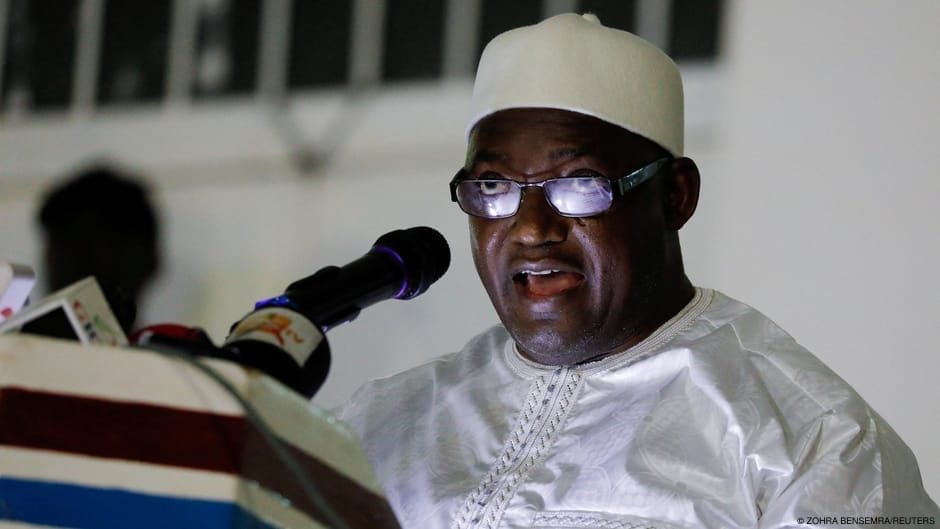
Gambians go to the polls on December 5 in a presidential election in which President Adama Barrow is seeking a third term, despite having earlier pledged not to do so, according to DW News.
The vote comes almost a decade after Gambians ended the 22-year rule of Yahya Jammeh. Barrow took over from Jammeh in 2017, and the election is widely viewed as a measure of how far the small West African nation's democratic reforms have progressed.
A crowded field
Barrow faces seven challengers. Chief among them is Ousainou Darboe, leader of the main opposition United Democratic Party (UDP). Also in the race is youth candidate Talib Ahmed Bensouda, who stepped down as mayor of Kanifing Municipality only last week.
Independent candidates include Almameh Gibba, a lawmaker backed by Jammeh, and former Vice President Isatou Touray, the only woman contesting the presidency.
No term limits yet
The Gambia is still governed by the 1997 Constitution, adopted under Jammeh. A proposed new constitution that would have introduced presidential term limits was rejected by the National Assembly in July 2025 after it fell short of the required three-quarter majority.
Barrow has defended his bid, saying he supports term limits but that bringing them in depends on enough parliamentary support for a new constitution. Speaking after handing his nomination papers to the Independent Electoral Commission (IEC), he said it was up to Gambians to decide whether he should serve a third time.
"I believe in term limits. And the Gambian people are the ones who elect a president," Barrow said.
Opposition focuses on credibility
Opposition parties say their aim goes beyond unseating Barrow to ensuring the vote is fair. UDP administrative secretary Lamin Manneh said the party's immediate priority was for the IEC to deliver a credible, free and fair election that Gambians could trust.
Political analyst Malang Faye told DW News the incumbent was already ahead, noting that some parties had yet to begin campaigning after the official period opened on November 16. However, he warned that large rally crowds do not necessarily translate into votes, and said the election would show whether the transition that began in 2016 can be consolidated.
Jobs and living costs top voters' concerns
Many voters say their main concerns are employment, the cost of living and better public services. The World Bank projects economic growth of 5.3% in 2026 but expects extreme poverty to remain at about 21%.
According to the 2025 Labour Force Survey, youth unemployment stands at 11.5%, while 41.3% of young people are not in employment, education or training.
Voter Alhagie Sama said young Gambians should not have to risk crossing the Mediterranean in search of opportunity, and called on the next government to create decent jobs, make basic goods more affordable and improve health care and education.
Activist Binta Bojang told DW News she wanted the next president to prioritise youth employment, arguing that unemployment affects ordinary Gambians in ways that go beyond its conventional definition.
Preparations and observers
The IEC says 1,146,474 people are registered to vote across 53 constituencies, 730 polling centres and 1,773 polling stations. The commission has been training officials on voting, counting, verification and transmission of results, saying the aim is a peaceful and credible election.
At the invitation of Gambian authorities, the European Union has deployed an election observation mission with analysts and long-term observers across the country.
The United Nations has urged candidates to honour a peace pact signed on November 16, under which they pledged to respect the IEC's independence and pursue any disputes through lawful channels. Barrie Freeman, the UN's Deputy Special Representative for West Africa and the Sahel, reminded candidates that they would be judged by their actions after signing rather than by the signing itself.
The outcome will determine not only Barrow's political future but also whether the democratic gains made since 2016 can deliver lasting reforms and better living conditions.
This story was prepared by the Hamasta Newsdesk with AI assistance, based on reporting by DW News. Read the original report. Photo: DW News.
Every moment, captured beautifully.
Events, corporate portraits, products and editorial shoots by our newsroom photographers.






More in International
See all
Gambia hails ICJ ruling that Myanmar committed genocide against Rohingya
Justin Muturi named to Commonwealth team observing The Gambia's elections
World Court set to rule on The Gambia's Rohingya genocide case against Myanmar
UK, Gambia and 12 other nations back ICJ ruling on Myanmar's Rohingya genocide
Spain votes in snap election as conservatives edge Socialists in polls
Global Community Remarks
0