
Trump hits China with new 20% tariff weeks after Shenzhen embrace, ahead of Miami G20
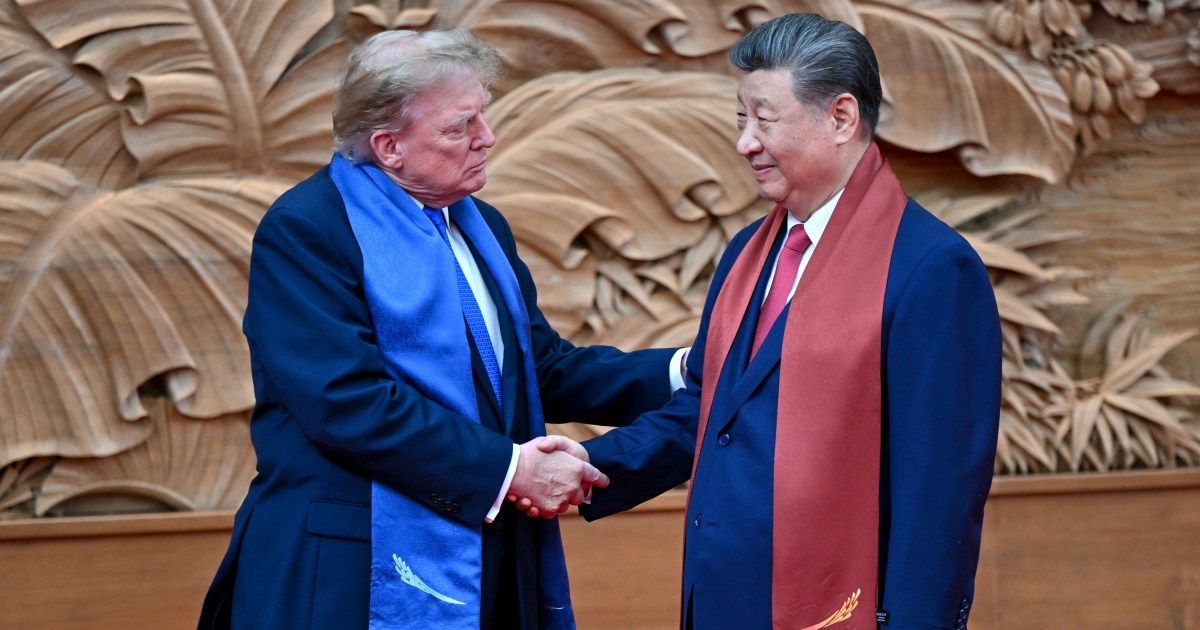
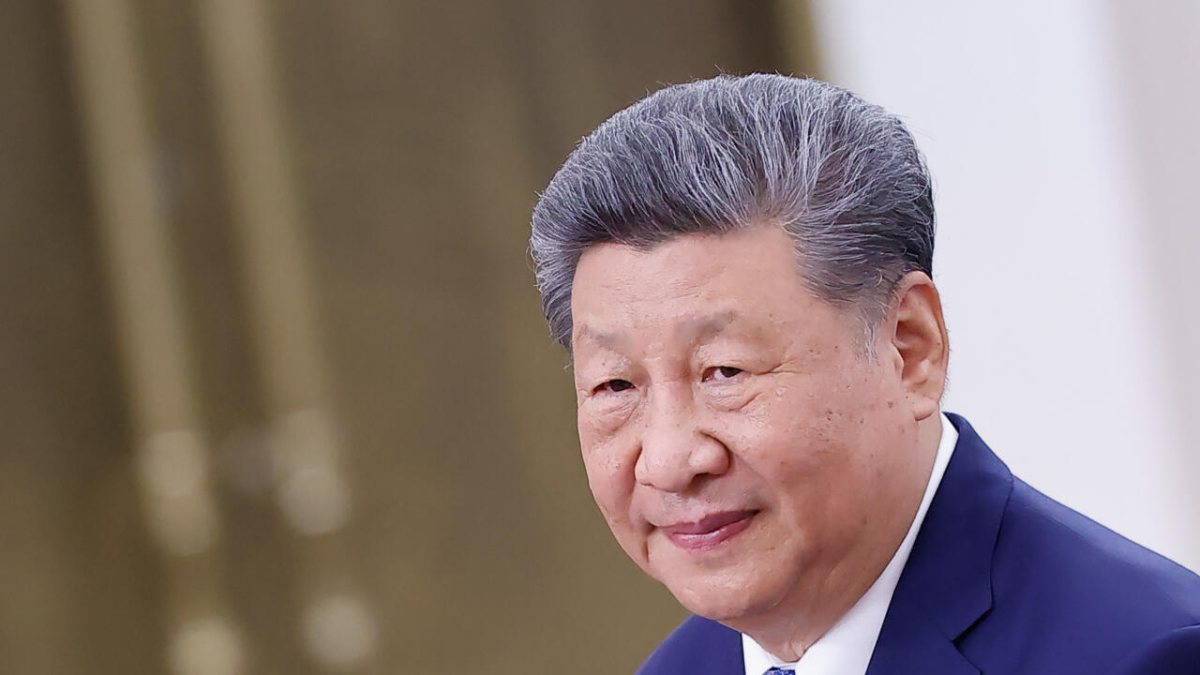
The United States has placed a new 20 percent tariff on Chinese goods, less than a week after President Donald Trump returned from a friendly visit to China. Analysts say the move is meant to pressure Beijing ahead of his next meeting with Chinese President Xi Jinping, Al Jazeera reports.
The levy is part of a wider tariff plan aimed at 14 major trading partners, including China, the European Union and India. Washington accuses them of flooding world markets with cheap goods through government subsidies, industrial policies and low wages. China faces the highest rate.
According to Al Jazeera, the 20 percent duty stays within the limits of a US-China trade truce that is due to expire in January. Washington has threatened to raise it to 40 percent if talks collapse.
A new legal route
This is the administration's second attempt to rebuild its tariff programme. The Supreme Court ruled that the sweeping "Liberation Day" tariffs announced in April last year were illegal. Those tariffs relied on emergency powers.
This time, the White House is using Section 301 of the Trade Act of 1974. It argues that the targeted economies suffer from "structural excess capacity". The finding follows an investigation launched in March by Trump's trade representative, Jamieson Greer. The probe singled out China as the worst offender, especially in steel, aluminium, electric vehicles, household appliances and solar panels.
Deborah Elms, head of trade policy at the Singapore-based Hinrich Foundation, told Al Jazeera that the investigation first aimed to restore earlier tariff levels on firmer legal ground. Its purpose has since widened. She said the White House now appears to want a broader tool that could open many issues to negotiation and future penalties.
Elms said the timing was notable because Trump and Xi are due to meet next month at the G20 Leaders' Summit in Miami. She added that the announcement creates another possible source of tension.
Beijing pushes back
China's Ministry of Commerce said Beijing reserves the right to retaliate with higher tariffs. It urged Washington to return to dialogue and called the investigation a unilateral act that violates World Trade Organization rules.
The measures also reach beyond direct US-China trade. They target countries that are emerging as alternative manufacturing hubs but whose supply chains remain closely tied to China. Elms said Beijing could probably live with a 20 percent tariff. However, she said it would be less comfortable with US efforts to hold other partners accountable for their dealings with China.
Leverage, revenue and the bigger picture
Alicia Garcia-Herrero, chief Asia Pacific economist at Natixis, described the tariffs as a familiar negotiating tactic rather than a grand strategy.
"Keep the pressure on after a friendly photo-op," she said, referring to the Shenzhen meeting.
She said the real goal was to restore the leverage the Supreme Court removed and push Beijing to negotiate before the summit. She warned that the main risk for Trump is that higher prices fall on American consumers.
Chen Bo, a senior research fellow at the National University of Singapore, said the tariffs also serve as a source of revenue. He argued that Washington needs money for its activities, including the war on Iran, while high interest rates limit borrowing. In his view, tariffs are an easier option than asking Congress for funds.
Chen doubted the tariffs would reduce Chinese overcapacity. He pointed to China's record goods trade surplus of $1.19 trillion last year, while the US ran a $1.24 trillion goods deficit.
He said both sides were working to ease tensions before Miami. The two leaders are expected to discuss artificial intelligence, nuclear weapons and the wars in Iran and Ukraine.
Background
The trade war began in February 2025, when Trump imposed a 10 percent duty on Chinese goods over fentanyl and immigration concerns. US tariffs on Chinese goods later rose as high as 145 percent, and China imposed rates of up to 125 percent on US goods and restricted rare earth exports. The two leaders agreed a truce in October 2025 at the APEC summit in South Korea. Visits to Beijing and Washington followed, before this month's APEC meeting in Shenzhen.
This story was prepared by the Hamasta Newsdesk with AI assistance, based on reporting by Al Jazeera. Read the original report. Photo: Al Jazeera.

Tell your story on screen.
Commercials, documentaries, interviews and social video, from script to final cut.





More in International
See all
Canada and China widen tariff relief as Carney and Xi meet at APEC in Shenzhen
Trump heads to APEC in Shenzhen for Xi talks and possible three-way summit with Putin
Trump greets Putin and Xi in Shenzhen ahead of first three-way summit
.jpeg)
Xi, Trump and Putin share stage in Shenzhen ahead of rare trilateral summit
Xi urges global cooperation on AI and free trade as APEC summit opens in Shenzhen
Global Community Remarks
0