
Norse Atlantic operating unit files for bankruptcy as jet fuel costs soar
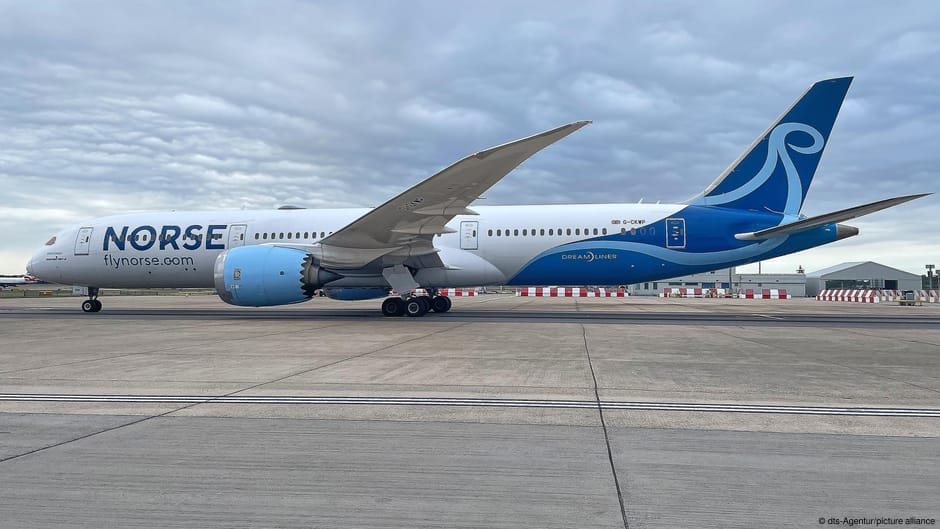
The operating unit of Norwegian low-cost airline Norse Atlantic has filed for bankruptcy, the carrier announced on Friday, becoming a high-profile casualty of the surge in aviation fuel prices linked to the war in Iran, according to DW News.
The collapse of Norse Atlantic Airways AS caps a rapid week of decline. On Wednesday the airline described its finances as "critical", and on Thursday it grounded all flights while it searched urgently for emergency funding.
Fleet reclaimed by lessors
Earlier on Friday, Norse disclosed that the lessors of all 12 aircraft in its fleet had terminated their leasing contracts and demanded the planes be returned. The company initially said it intended to dispute the move, which would have left it effectively unable to fly.
Not long afterwards, however, it announced the decision to seek bankruptcy protection for the operating company.
Chief executive Eivind Roald said in a statement that the board had taken what he called a difficult decision "despite extensive efforts from the company and the group to find a solution".
Parent company and UK arm still fighting
The filing does not cover the whole group. The stock market-listed parent, Norse Atlantic ASA, and its subsidiary Norse Atlantic UK are not part of the bankruptcy and are still trying to remain in business, the company said.
Roald said the board, management and advisers of the listed entity and the UK unit were working on a way for the remaining parts of the business to keep operating. On Thursday, however, the company had cautioned that there was no guarantee a workable solution would be found.
A young airline already under strain
Norse Atlantic was founded only five years ago and is headquartered in Arendal, Norway. With its 12 planes it served 14 destinations.
The carrier had struggled to make money even before the latest crisis. It posted a net loss of $61.9 million (about €56.5 million) in 2025, ahead of the additional pressures brought on by the conflict in the Gulf.
Fuel shock hits the wider industry
Like many commercial airlines, Norse was heavily exposed to the steep rise in jet fuel prices in 2026, which DW News attributes largely to the war in Iran and the resulting tension across the Middle East.
When the United States launched attacks on Iran early this year, traffic through the Strait of Hormuz soon fell and aviation fuel prices climbed sharply, more than doubling at their peak. Prices went even higher than in the immediate aftermath of Russia's full-scale invasion of Ukraine in 2022.
Fuel costs eased somewhat in mid-summer as hopes grew for an end to the conflict, but rose again as those hopes faded and the situation settled into a stalemate.
Smaller and budget carriers have been hit especially hard, though the aviation sector as a whole is grappling with serious difficulties caused by disruption to global fuel supplies.
According to DW News, the fuel shock amounts to the industry's worst crisis since the COVID-19 pandemic slashed air traffic from 2020 onwards, a downturn from which many airlines were still recovering.
This story was prepared by the Hamasta Newsdesk with AI assistance, based on reporting by DW News. Read the original report. Photo: DW News.





Show the impact of your work.
Impact stories, campaign videos and community engagement for NGOs and programmes.

More in Business
See all
Kenya Airways warns 2026 earnings will fall at least 25% as fuel bill soars
Jambojet cuts fuel costs by 16% using flight data and single-engine taxiing
US maritime agency memo flagged Iran blockade's role in soaring Gulf shipping costs
China Southern unit orders 50 Boeing 737-8 jets in first major China deal in years

Oil above US$100: what rising crude prices mean for Kenya's pump prices

Global Community Remarks
0