
Black Friday online spending tipped to hit $12.9bn as shoppers face 'retail fatigue'
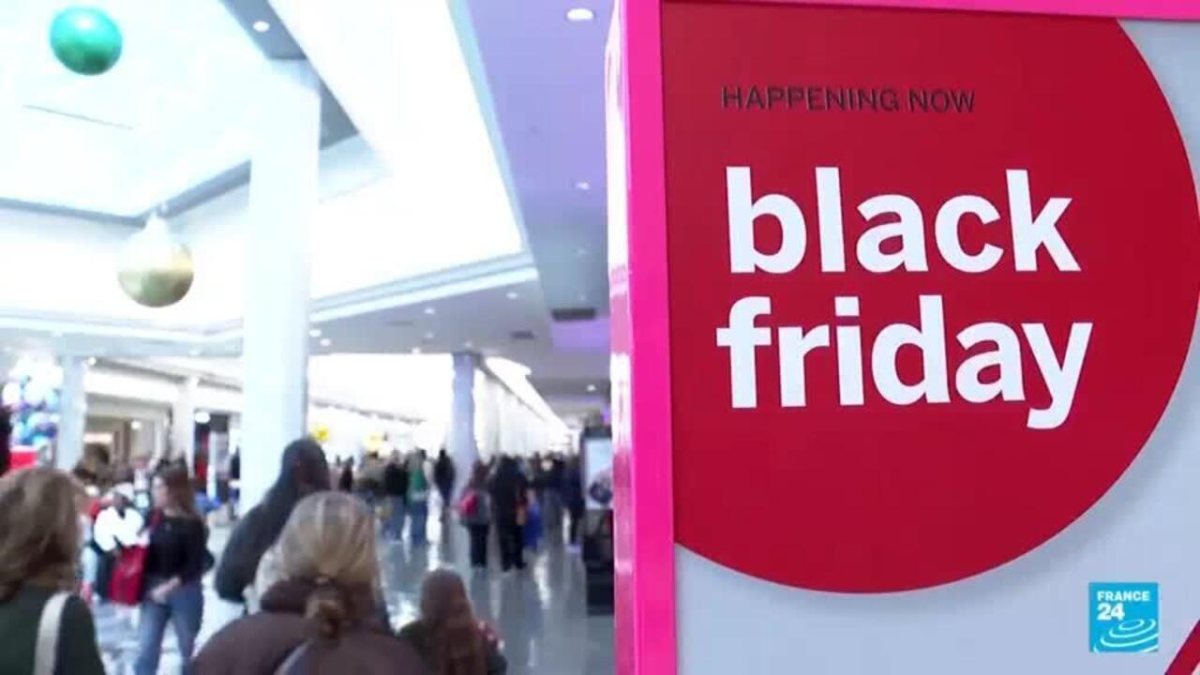
Online spending on Black Friday is expected to climb by 9.2 per cent compared with last year to reach $12.9 billion, according to an initial forecast by Adobe reported by France 24, even as economists question whether shoppers are growing weary of constant discounts.
The forecast credits the expected rise to wider use of Buy Now, Pay Later services and to deep price cuts on televisions, toys and furniture.
However, the growth comes as households continue to grapple with the cost-of-living crisis, raising questions about how consumers are adjusting their spending habits and whether the annual sales event still holds the appeal it once did.
From one day to all year
Black Friday began as a single day of holiday sales held on the day after Thanksgiving in the United States. Over time, retailers started launching their offers a day earlier, on Thanksgiving itself, and the promotional window has continued to stretch.
Hilary Ingham, Professor of Economics and Head of Department at Lancaster University, told France 24 that the concept has lost much of its distinctiveness.
"We are now bombarded with offers throughout the year," Ingham said.
Ingham acknowledged a growing sense of what she described as "retail fatigue" among consumers. She nonetheless said there was still potential for sales to peak around the event.
The economist herself said she had no plans to shop on Black Friday.
Are the deals real?
The scale of the discounts on offer has also come under scrutiny. France 24 cited an investigation by the British newspaper The Telegraph which suggested that six in ten of the most popular products were in fact more expensive during the sales than they had been earlier in the year.
The finding underlines the need for shoppers to stay alert and to monitor prices over a longer period rather than assuming that a product labelled as a Black Friday deal is genuinely cheaper.
Credit and caution
The role of Buy Now, Pay Later options in driving the forecast increase points to consumers spreading the cost of purchases at a time when household budgets remain under pressure.
While such schemes allow shoppers to take advantage of discounts without paying the full amount upfront, the combination of rising living costs and easier access to short-term credit is likely to keep attention on how sustainable this kind of spending is.
A global phenomenon
Although Black Friday originated in the United States, it has become a worldwide shopping event, with retailers in many countries, including Kenya, running their own promotions in late November.
For consumers everywhere, the lessons highlighted in the France 24 discussion apply equally: offers are no longer confined to a single day, and a headline discount does not always mean a lower price.
Comparing prices over several weeks and weighing up the true cost of paying in instalments remain among the simplest ways for shoppers to ensure they are getting value for money during the sales season.
This story was prepared by the Hamasta Newsdesk with AI assistance, based on reporting by France 24. Read the original report. Photo: France 24.





Show the impact of your work.
Impact stories, campaign videos and community engagement for NGOs and programmes.

More in Business
See all
US lawmakers push for $25 federal minimum wage and end to tipped pay system

Kenya Airways moves duty-free shopping online in five-year deal with Safari Duty Free

Development spending hits Sh217.9bn in three months as 2027 election nears
.jpeg)
StanChart Kenya pre-tax profit climbs 13pc to Sh14.9bn as fee income offsets rate squeeze
Italy hit by nationwide strike as workers and students protest living costs

Global Community Remarks
0