
Taiwan to vote on reviving nuclear power as AI chip demand strains grid
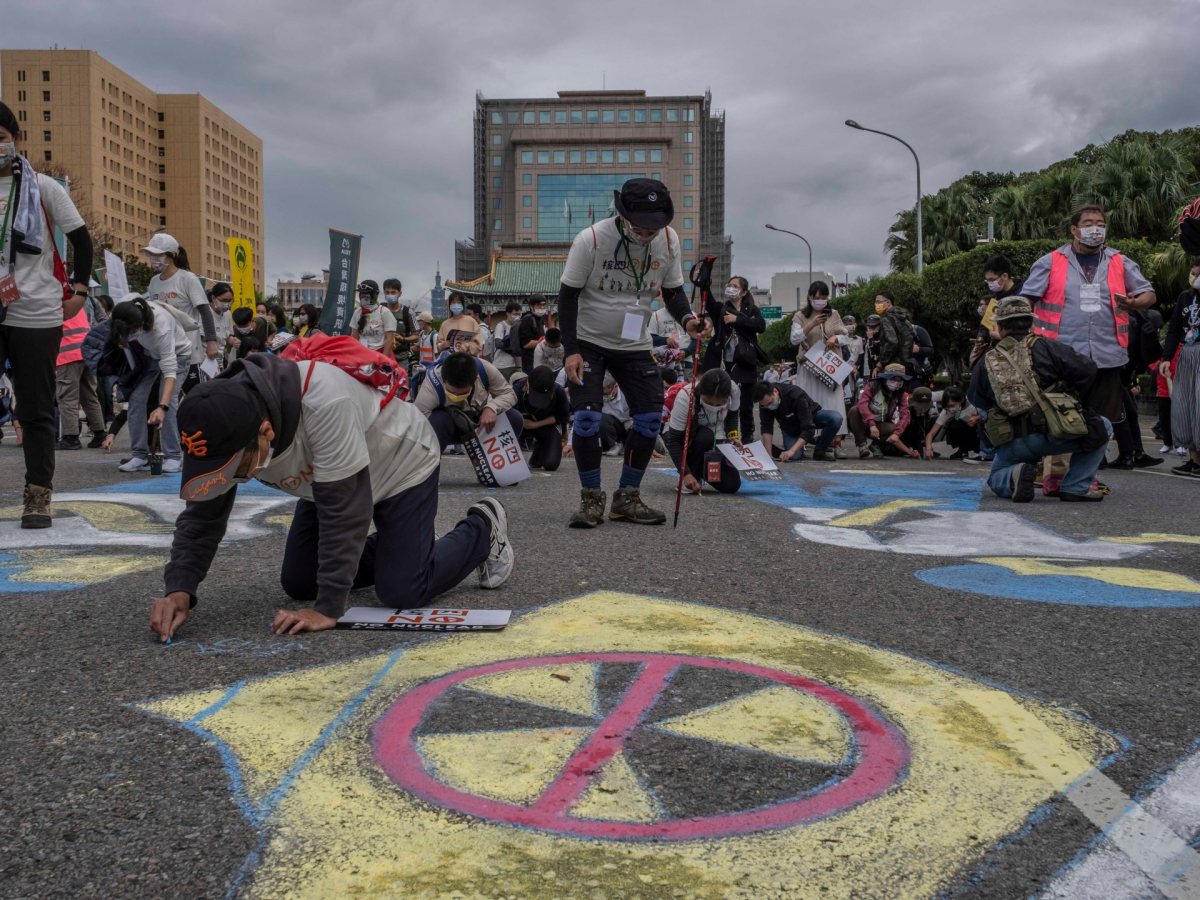
Voters in Taiwan will decide on Saturday whether the island should return to nuclear power, a choice that would scrap its long-standing "nuclear-free homeland" policy, according to Al Jazeera.
The referendum, held alongside local elections, comes about 18 months after Taiwan shut down its last operating reactor. It is the fourth national vote on nuclear energy in eight years.
The question asks whether the government should resume nuclear generation to support the economy. For it to pass, 'yes' votes must exceed 'no' votes and also amount to more than a quarter of all eligible voters.
A deeply partisan issue
The opposition Kuomintang (KMT) proposed the vote, with backing from the Taiwan People's Party. The legislature approved it in August and the Central Election Commission gave final clearance on August 28.
The governing Democratic Progressive Party (DPP), which came to power in 2016 partly on a promise to phase out nuclear energy, is campaigning for a 'no' vote. DPP legislator Chen Pei-yu described the referendum as unnecessary, arguing that lawmakers could simply amend existing laws.
Lev Nachman, an assistant professor at National Taiwan University, told Al Jazeera the divide dates back to the DPP's founding, when anti-nuclear environmentalists formed a significant bloc in the party. The nuclear industry, by contrast, was developed under the KMT.
Safety concerns remain strong. Taiwan sits on active geological fault lines, has no settled plan for nuclear waste, and followed Japan's 2011 Fukushima disaster closely.
Previous votes have produced mixed results. In 2018, voters removed a legal deadline for ending nuclear power, but in 2021 they rejected resuming work on an unfinished fourth plant. A majority vote last year to restart the Maanshan plant was nullified because turnout was too low.
Energy security and chips
The debate has been revived by surging electricity demand from Taiwan's semiconductor and artificial intelligence industries, and by worries over its dependence on imported fuel.
According to the Ministry of Economic Affairs, Taiwan imports more than 97 percent of its energy. Natural gas accounts for about 43 percent of electricity generation and coal for about 35 percent, both delivered by sea. The island holds roughly 11 days of liquefied natural gas reserves.
Nachman said the concern has two sides: the risk of China blockading the island, and the power-hungry chip sector.
Taiwan produces more than 90 percent of the world's most advanced semiconductors, almost all at Taiwan Semiconductor Manufacturing Company (TSMC), whose customers include Nvidia, AMD and Apple. In September, the semiconductor industry's monthly electricity use exceeded 4.5 billion kilowatt-hours for the first time, up 11.55 percent year on year. S&P Global estimates TSMC's share of national power use could climb from about 8 percent in 2023 to nearly 24 percent by 2030.
Still, Nachman cautioned against viewing the vote purely through the chip lens.
"For a lot of people in Taiwan, the semiconductors aren't even the priority. It really is the security side."
Government already shifting
The DPP has begun to soften its stance. In March, President William Lai Ching-te said the government would start the process of restarting the Maanshan and Kuosheng plants, citing AI-driven demand and overseas conflicts disrupting fuel supplies. On September 24, the Nuclear Safety Commission approved Taipower's restart plan for Maanshan, though further safety checks are required.
Beijing, which claims Taiwan as its territory, does not appear to have commented on the referendum, and Nachman described the matter as largely domestic. The vote concerns civilian reactors only, not weapons.
Low expectations
Nachman said he expects the measure to struggle, noting that such votes rarely pass, and that the outcome hinges on whether DPP supporters have changed their minds. If it succeeds, he said, the government would probably accept it.
Restart timelines are disputed. Supporters say reactors could be back online within 18 months to three years, while opponents warn it could take five to 10 years and cost several hundred billion New Taiwan dollars.
This story was prepared by the Hamasta Newsdesk with AI assistance, based on reporting by Al Jazeera. Read the original report. Photo: Al Jazeera.





Show the impact of your work.
Impact stories, campaign videos and community engagement for NGOs and programmes.

More in International
See all
China-linked network floods Taiwan with AI deepfakes ahead of local elections
Kim Jong Un orders wider deployment of North Korea's tactical nuclear weapons
Lake Region universities to start nuclear engineering courses as Siaya plant targets March 2027 groundbreaking
Iran weighs nuclear doctrine shift as war with US and Israel drags on
Belt and Road energy ministers back green transition at Qingdao conference
Global Community Remarks
0