
Shipping Lines Drop Malaysian Port From Asia-Kenya Route, Faster Deliveries Expected
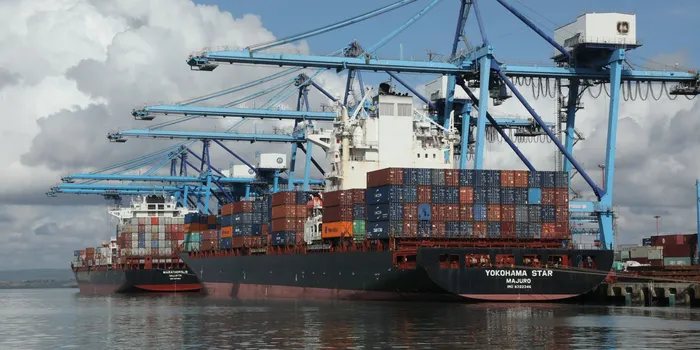
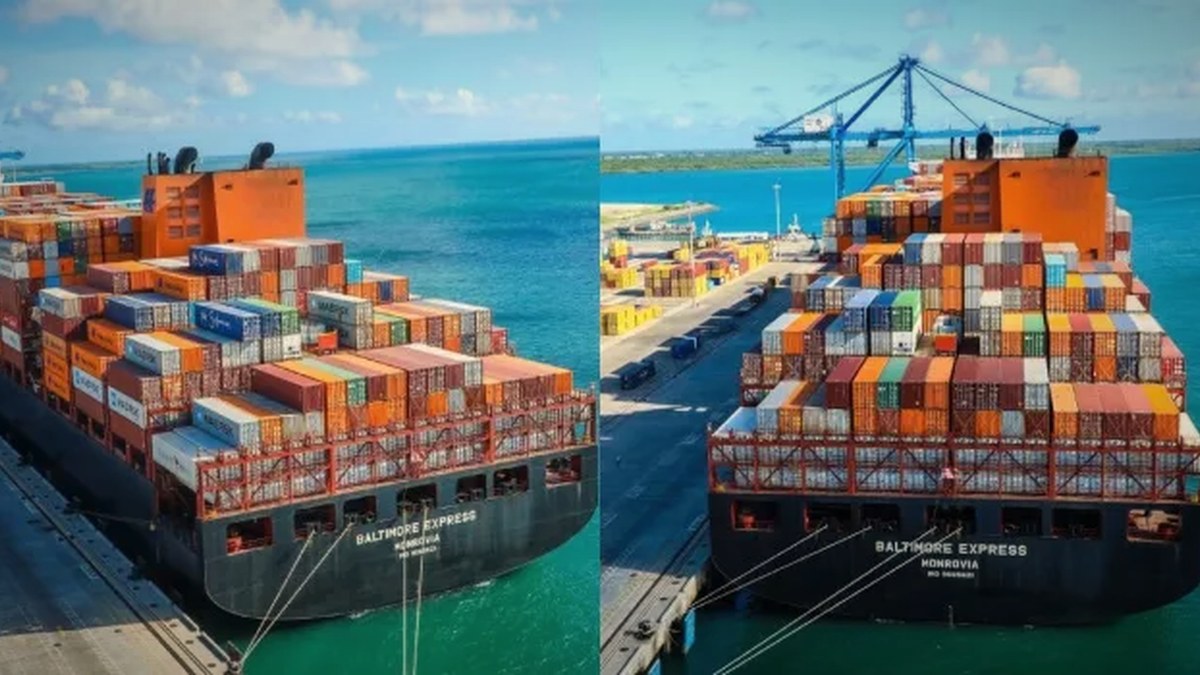
Kenyan importers bringing in goods from China could receive their cargo sooner after three international shipping lines removed a Malaysian port from a shared service linking Asia to Mombasa.
Evergreen Marine, Orient Overseas Container Line (OOCL) and X-Press Feeders dropped the southbound stop at Port Klang from their joint Far East-Kenya loop on Friday, November 27, according to Kenyans.co.ke, which cited the shipping publication Container News.
Experts quoted in the report say the change could reduce travel times for goods from Asia, particularly China, by as much as four days.
The new rotation
Under the revised weekly schedule, vessels will call at four Chinese ports, namely Qingdao, Shanghai, Ningbo and Nansha, before stopping only once in Southeast Asia at Singapore. Ships will then sail straight to Mombasa and return to Qingdao to begin the cycle again.
The service is designed to connect key Asian manufacturing centres with East Africa. Experts believe removing a major Southeast Asian stopover could alter the way Asian cargo reaches Kenya's main port.
Why it matters for the region
The Port of Mombasa is the principal sea gateway not only for Kenya but also for landlocked neighbours. Cargo offloaded there serves businesses in Uganda, Rwanda, South Sudan and the eastern Democratic Republic of Congo.
Retaining direct calls at the four Chinese ports keeps intact the main supply line from Kenya's largest import partner. Kenyan traders depend heavily on these ports for products including machinery, electronics, hardware, textiles and plastics.
According to experts cited by Kenyans.co.ke, bypassing Port Klang on the southbound journey cuts the time vessels spend in port and reduces the chances of schedule disruptions before ships cross the Indian Ocean. This could translate into quicker and more predictable delivery windows for Kenyan importers.
Malaysian trade faces extra steps
The change, however, is not without drawbacks. Businesses sourcing goods from Malaysia will lose a direct sailing option on this particular loop. Malaysia accounts for roughly four to six per cent of Kenya's total merchandise imports by value, the report notes.
Bulk liquid palm oil and petroleum products from Malaysia mostly reach Mombasa aboard specialised tankers rather than container vessels, so those flows are less affected. But containerised imports face additional logistics hurdles. These include:
- Packaged edible fats
- Oleochemicals
- Furniture
- Rubber goods
- Electronic components
Knock-on effect for Southeast Asian cargo
Port Klang also serves as a key transhipment hub for goods originating from nearby markets such as Thailand, Indonesia and Vietnam.
Shipments from those countries booked with the three carriers will now have to be routed through Singapore or moved onto other services. According to the report, this could result in extra transhipment handling charges and additional days in transit for affected importers.
The overall effect, experts suggest, is a trade-off: a faster and more reliable link for the dominant China-Kenya trade, at the cost of added complexity for cargo from other parts of Southeast Asia.
This story was prepared by the Hamasta Newsdesk with AI assistance, based on reporting by Kenyans.co.ke. Read the original report. Photo: Kenyans.co.ke.





Show the impact of your work.
Impact stories, campaign videos and community engagement for NGOs and programmes.

More in Business
See all
Ship agents urge faster upgrades at Mombasa and Lamu ports to curb congestion
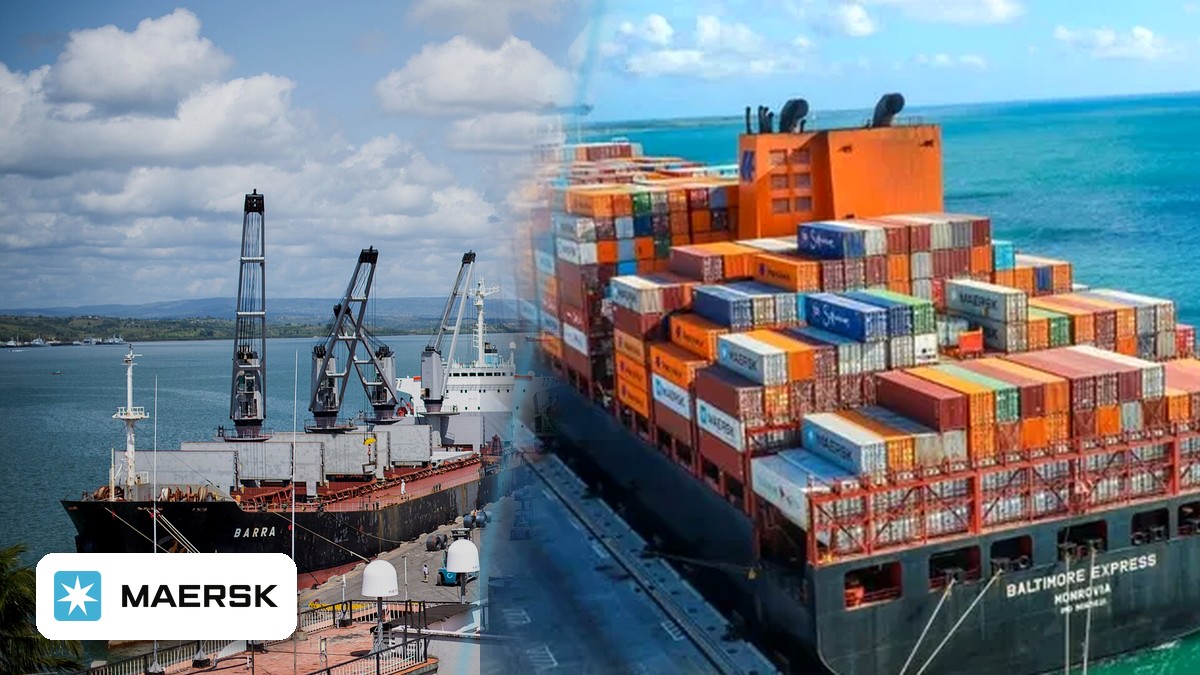
Maersk raises China-Kenya shipping surcharge to $2,000 per container from November 9, piling costs on importers
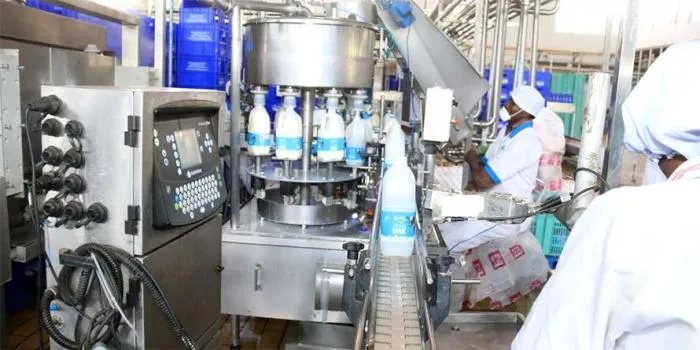
Milk Deliveries to Processors Fall by 4.3 Million Litres as Shortage Bites
Six oil tankers among 51 ships expected at Mombasa and Lamu ports by end of October
China Southern unit orders 50 Boeing 737-8 jets in first major China deal in years
Global Community Remarks
0