
Sh4.8 Billion Fuel Import Scandal Rocks Kenya as Top Officials Arrested
.jpeg)
Kenya's energy sector is reeling from a major scandal involving the alleged irregular importation of substandard fuel worth approximately KSh 4.8 billion. The controversy has led to high-profile arrests, resignations of senior officials, leaked correspondence implicating two Cabinet Secretaries, and a strong public vow from President William Ruto to dismantle "oil cartels." The saga centers on manipulation of fuel stock data, emergency procurement bypassing standard rules, and questions over oversight at the highest levels of government.
Background and How the Scandal Unfolded
The scandal erupted in early April 2026 amid concerns over fuel supply stability. Investigators from the Directorate of Criminal Investigations (DCI) allege that senior officials manipulated national fuel stock records to create an artificial shortage. This reportedly justified emergency imports outside the established Government-to-Government (G2G) fuel supply agreements.
Key details of the shipment in question:
- A 60,000-metric-tonne consignment originally destined for Angola.
- Rerouted to the Port of Mombasa aboard the vessel MV Paloma, docking between March 27 and 29, 2026.
- The fuel allegedly arrived overpriced, bypassed proper emergency procurement procedures, and failed quality standards (including elevated sulphur levels, raising environmental and health concerns).
Preliminary findings point to collusion involving government officials and prominent business interests, possibly in Mombasa. Reports also mention the recovery of over KSh 100 million (with some claims up to KSh 500 million) in cash during raids linked to the suspects.
A second fuel cargo has since been halted by the government as the probe deepens.
Key Arrests and Resignations
On April 3, 2026, DCI conducted early morning operations leading to the arrest of several top energy sector figures:
- Daniel Kiptoo Bargoria — Director General of the Energy and Petroleum Regulatory Authority (EPRA).
- Joe Sang — Managing Director of the Kenya Pipeline Company (KPC).
- Mohamed Liban — Principal Secretary, State Department for Petroleum.
- Joseph Wafula — Deputy Director of Petroleum (also arrested).
These officials resigned shortly after on April 4, with the resignations announced through the Office of the President via Chief of Staff Felix Koskei. A new EPRA DG, Oketch, has since been appointed.
The arrests focus on allegations of interfering with fuel stock data, irregular procurement, and facilitating the substandard import.
Leaked Letters Implicate Cabinet Secretaries
The scandal took a dramatic turn on April 5–6 when leaked letters surfaced, shifting focus to two Cabinet Secretaries:
- Opiyo Wandayi (Energy and Petroleum).
- Lee Kinyanjui (Trade).
According to reports, one letter dated March 28, 2026, from CS Kinyanjui to CS Wandayi recommended a waiver for the importation of the petroleum products. The correspondence references earlier letters from the State Department for Petroleum (dated March 26 and 27) and appears to show coordination in approving the controversial consignment.
Investigators are examining the extent of oversight and knowledge at the ministerial level. Public outrage has intensified, with questions about why CS Wandayi remains in office while his subordinates have resigned and faced arrest. Some voices, including activists and clergy in Uasin Gishu, are openly calling for his resignation or dismissal.
CS Wandayi broke his silence on April 5, stating that the government had halted a second cargo once "full information" emerged. He insisted the situation is under control and emphasized actions taken to stabilize supply.
President Ruto's Response: "No Mercy for Cartels"
President William Ruto has taken a firm public stance, vowing a ruthless crackdown on oil cartels and anyone involved in economic sabotage. Speaking during a church service in Kilgoris, he declared that those responsible "will face the full force of the law" and that such activities "cannot happen in our country."
Ruto directed decisive action through the Head of Public Service, framing the probe as part of broader efforts to protect Kenyans from exploitation amid global oil price pressures (exacerbated by international tensions).
Political Reactions and Allegations
The scandal has quickly become politicized:
- Rigathi Gachagua (former Deputy President) claimed the arrests stem from business rivalries and a "failed deal" rather than pure accountability. He suggested the officials acted to shield Kenyans from higher global prices and alleged KSh 500 million was recovered and handed over. Senior Counsel Ahmednasir Abdullahi has backed some of these claims, calling for deeper scrutiny while noting possible insider information from KPC.
- The DCI has rejected such narratives as false and harmful.
- Opposition figures and some legislators (e.g., Senator Boni Khalwale) have demanded Wandayi's arrest and prosecution.
- Others defend Wandayi, arguing there is no direct evidence against him and that the focus should remain on cartels.
Some analysts link the timing to 2027 election undercurrents, with questions about whether the crackdown is purely institutional or influenced by political and business dynamics.
Broader Implications
- Economic Impact: The scandal has raised fears of fuel supply disruptions, potential price hikes, and loss of public trust. It coincides with concerns over rising pump prices and domestic debt.
- Regulatory Concerns: Questions linger about weaknesses in the petroleum supply chain, emergency procurement rules, and quality control by EPRA and KPC.
- Public Sentiment: On social media and in streets, there's frustration over perceived selective justice, with hashtags and calls for accountability gaining traction. Motorists' associations have demanded a full overhaul of the energy sector.
As of April 6, investigations continue, with reports of planned arrests of Mombasa-based businessman Mohamed Jaffer and his sons in connection to the import.
The probe is ongoing, and more developments are expected in the coming days — including possible further resignations, charges, or ministerial responses. This scandal highlights longstanding vulnerabilities in Kenya's fuel importation and regulation system, where cartels have historically been accused of profiteering.
Every moment, captured beautifully.
Events, corporate portraits, products and editorial shoots by our newsroom photographers.






More in Investigations
See all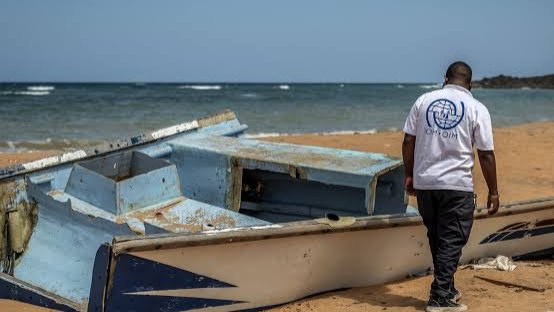
Tragedy: At Least 139 Migrants Dead, 84 Missing After Vessel Capsizes
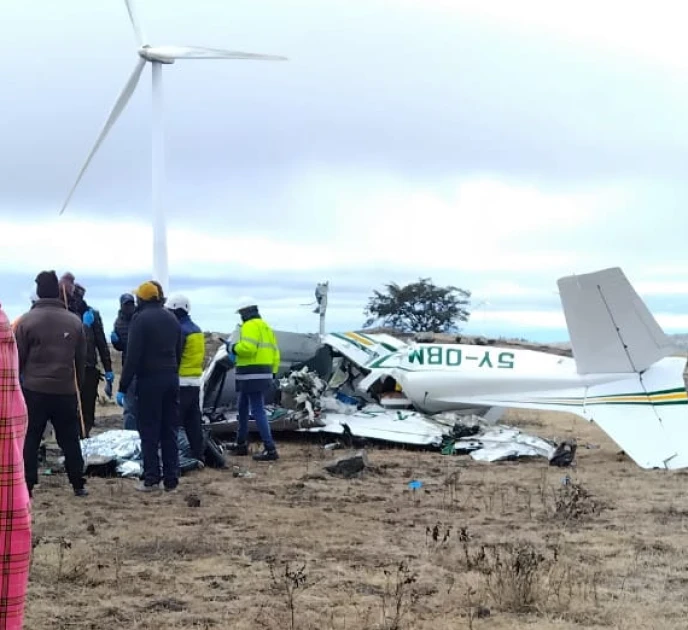
Two Killed as Training Aircraft Crashes in Kajiado
.jpeg)
Man from Nyamira Arrested After Allegedly Burning House of Widow in Uriri
Drug Smuggling Ring Exposed as Suspect Swallows 44 Cocaine Pellets, Another Arrested in Mombasa
.jpeg)
Security Alarm in Kabondo Kasipul as Leaders Clash Over Rising Insecurity
Global Community Remarks
0