
Spain votes as polls point to possible far-right role in national government
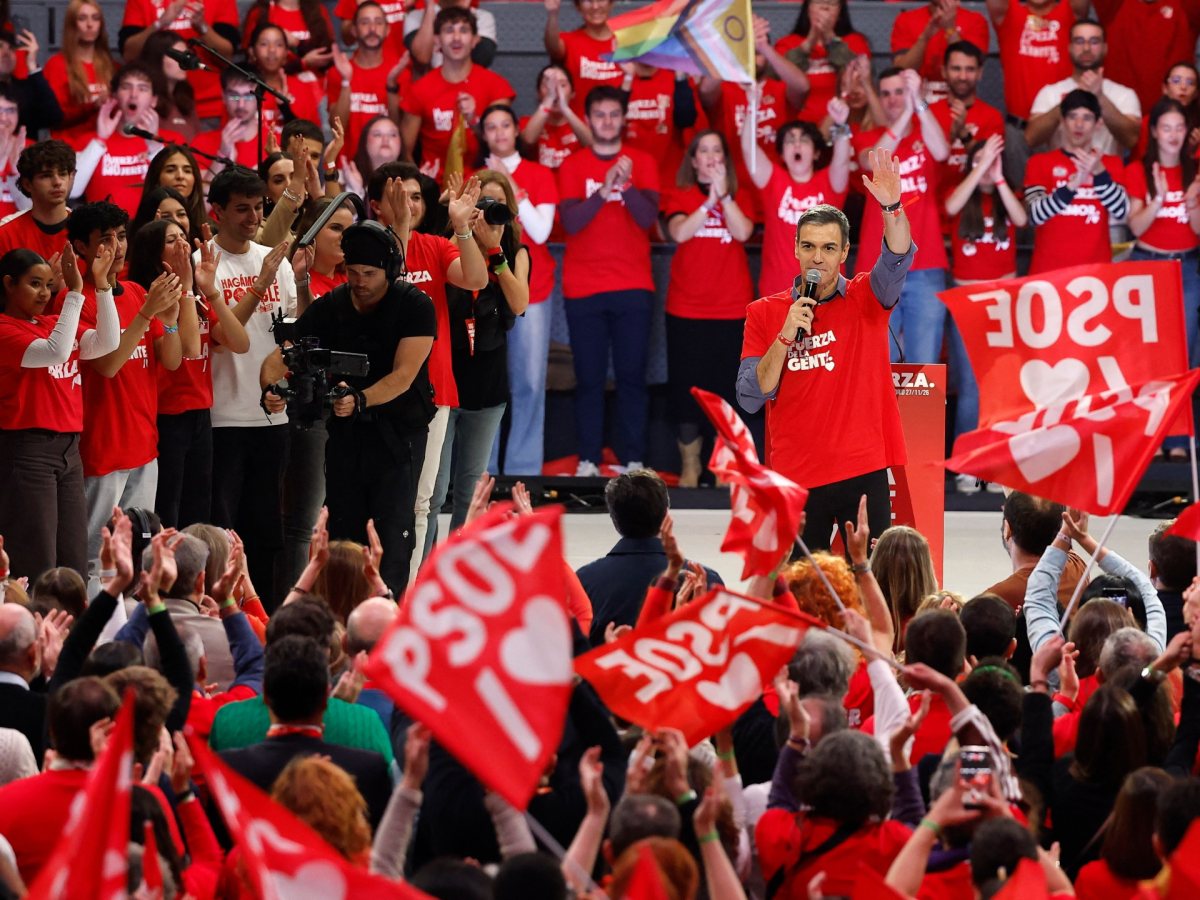
Spaniards go to the polls on Sunday in a snap general election that could bring the far right into the national government for the first time since the end of Francisco Franco's dictatorship about 50 years ago, according to Al Jazeera.
Opinion surveys suggest the conservative People's Party (PP) will take the largest share of seats. However, it is expected to fall short of the 176 seats needed for a majority in the 350-member Congress of Deputies. It would then have to rely on the far-right Vox party, which is projected to come third.
Most polls indicate the two parties would reach the majority threshold together. That would give PP leader Alberto Nunez Feijoo a route to power, either through a coalition or through a minority government propped up by Vox in parliament.
A vote on Sanchez
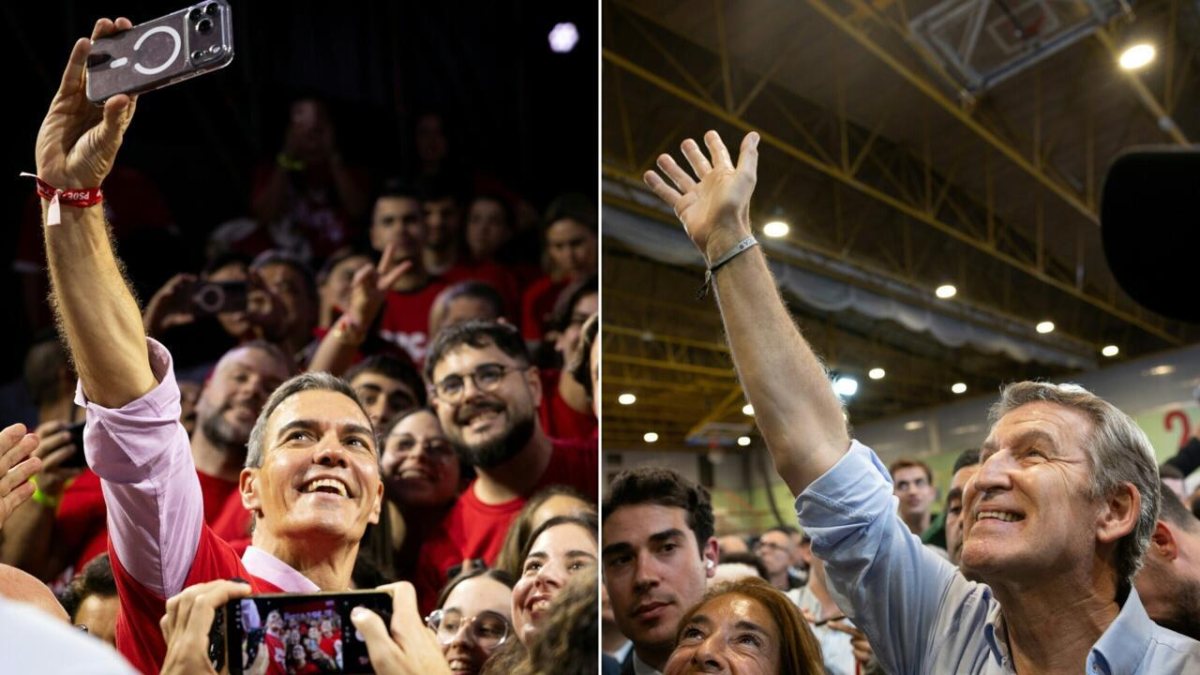
The contest has largely become a judgement on Socialist Prime Minister Pedro Sanchez, who has led the country since 2018. Alvaro Sanchez-Garcia, a political scientist at Spain's Centre for Political and Constitutional Studies, told Al Jazeera that the election has been framed as a vote for or against the prime minister's leadership.
He added that in such a polarised campaign, voters who change parties usually remain within the same political bloc. Few cross between left and right.
Sanchez, 54, has insisted that left-leaning voters will turn out in large numbers to block a right-wing surge. In 2023 his PSOE party came second but he held on to office with backing from parties to his left and from Catalan and Basque groups. Speaking at his final rally in Madrid, he described the vote as a choice over whether Spain moves forward or backwards.
Economy against cost of living
The prime minister points to the strength of the economy. The European Commission expects Spain to grow by 2.6 percent this year, compared with 1.2 percent for the eurozone.
Abroad, Sanchez has gained a following among European progressives. He has repeatedly clashed with US President Donald Trump, declined to raise defence spending to 5 percent as other NATO members requested, and described Israel's war in Gaza as a genocide.
At home, critics say that record has not improved daily life. Isabel Labayen, a 64-year-old PP supporter, told Al Jazeera that many Spaniards struggle to afford housing and food and wait months for medical appointments. During a televised debate last week, Feijoo told Sanchez: "You can't eat GDP."
Opponents argue that growth has been driven mainly by foreign labour. They also say average salaries have stayed flat despite increases in the minimum wage. Public services, they add, are under strain as the foreign-born population has grown by more than four million since 2018.
Housing triggered the early election. Sanchez called the vote in October after parliament rejected two measures to protect renters, which followed protests over high housing costs and evictions.
The government has also been weakened by corruption cases involving people close to Sanchez and members of his family. It has faced further criticism over its handling of a migration crisis in the North African enclave of Ceuta and over two deadly train crashes.
Vox on the rise
Vox is expected to make the biggest gains of the major parties. It won 33 seats in 2023 and is now forecast to roughly double that, with about 18 percent of the national vote. The party is campaigning for a "national priority" system that would give Spanish citizens better access to social benefits, and for a ban on mass regularisation of migrants.
Feijoo has said he would prefer to govern alone with outside support from Vox rather than form a coalition. A strong result for Vox, however, would increase its bargaining power. The two parties already share power in four regions, including Andalusia, and Sanchez-Garcia said Vox could push for key ministries.
Yolanda Roman of the consultancy ATREVIA told Al Jazeera that voters seem less alarmed by a PP-Vox government than in 2023. This could weaken the Socialists' warnings about the far right.
Polls open at 9am local time (08:00 GMT) and close at 8pm (19:00 GMT). A clear picture of the result is expected before midnight.
This story was prepared by the Hamasta Newsdesk with AI assistance, based on reporting by Al Jazeera. Read the original report. Photo: Al Jazeera.


Take your event live to thousands.
Multi-camera live streams, panel discussions and digital broadcasts with professional crews.




More in International
See all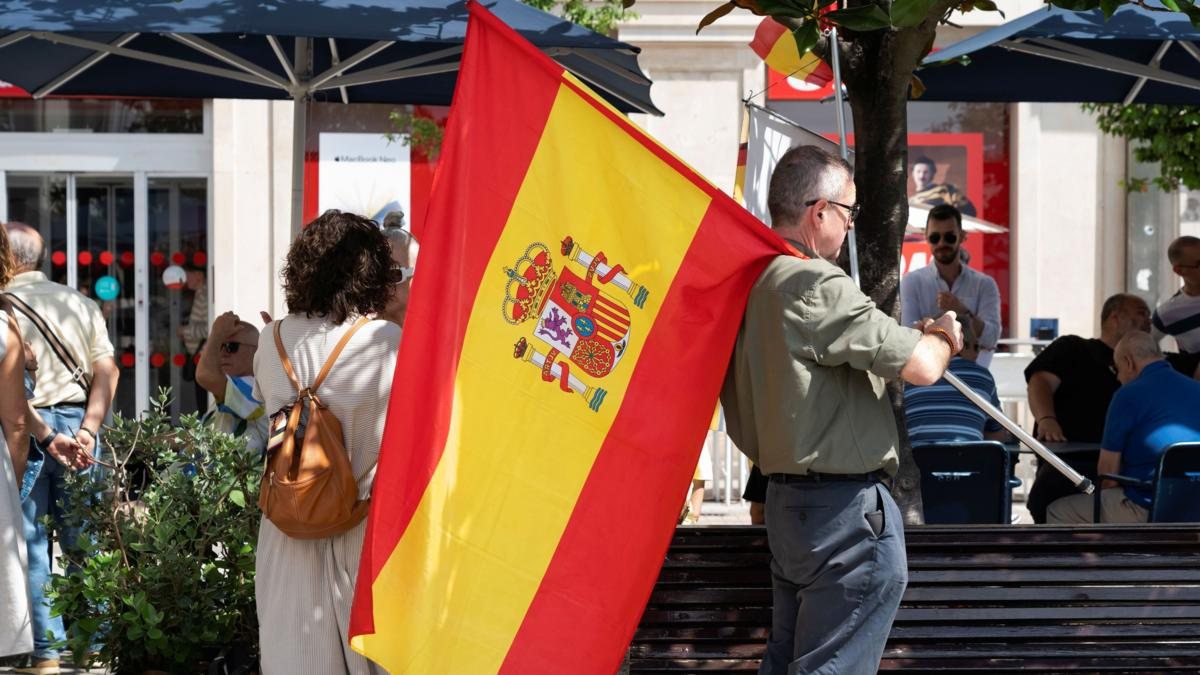
Spain heads to polls deeply divided as far-right Vox eyes first role in government

Spain's Sanchez says he cannot lose despite polls favouring right-wing bloc
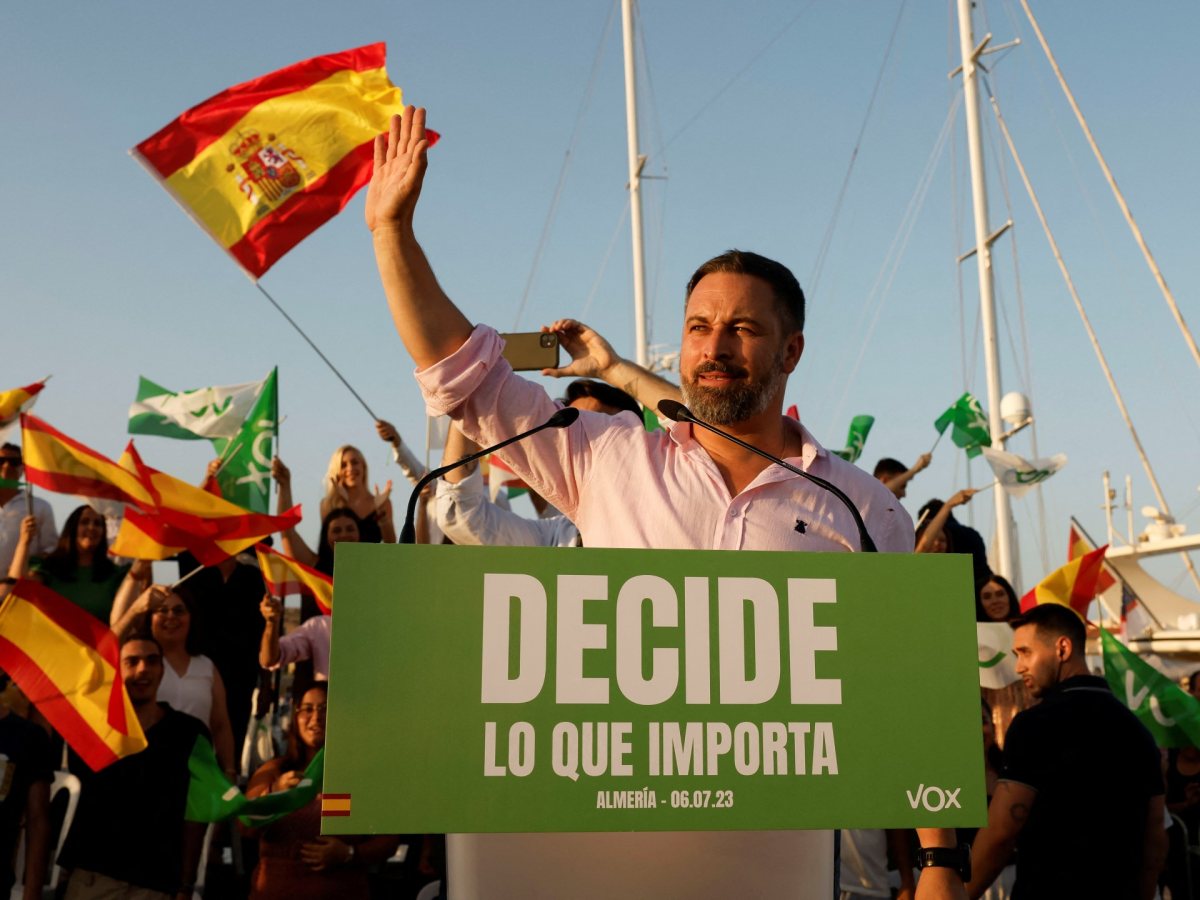
Spain's far-right Vox eyes kingmaker role ahead of November 29 snap election

Spain votes in snap election as conservatives edge Socialists in polls
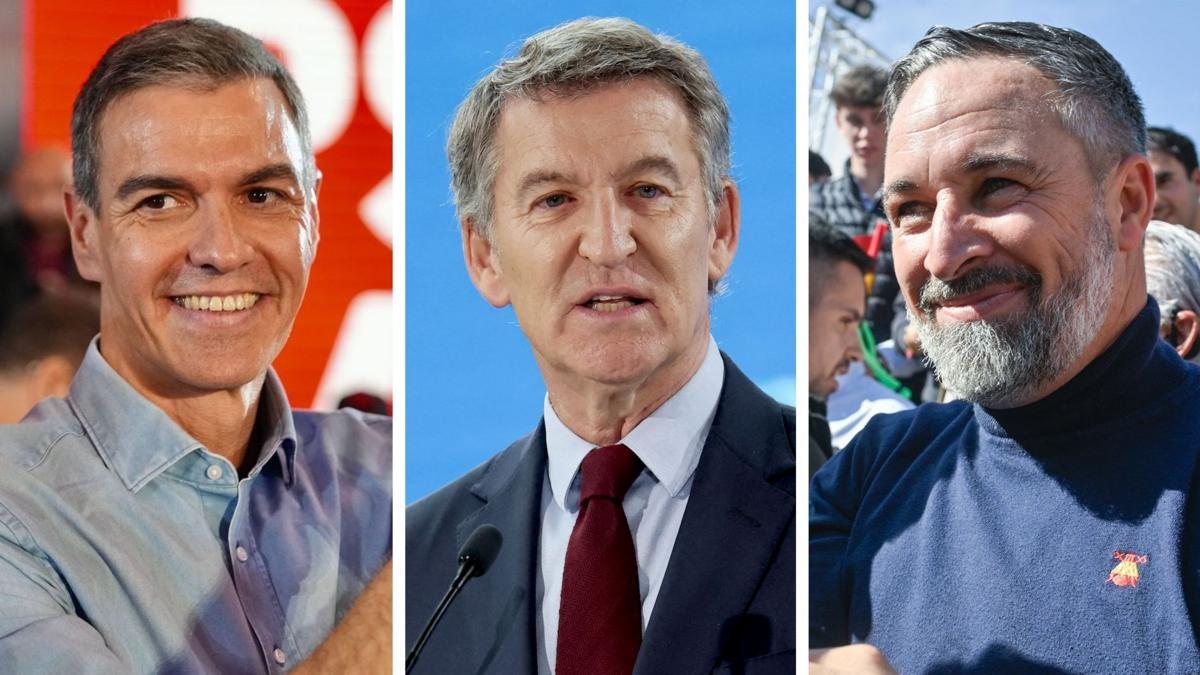
Spain election: Feijóo, Sánchez and Abascal lead the race to watch on 29 November
Global Community Remarks
0