
SpaceX gets US nod for 1 million AI data centre satellites as experts raise alarm
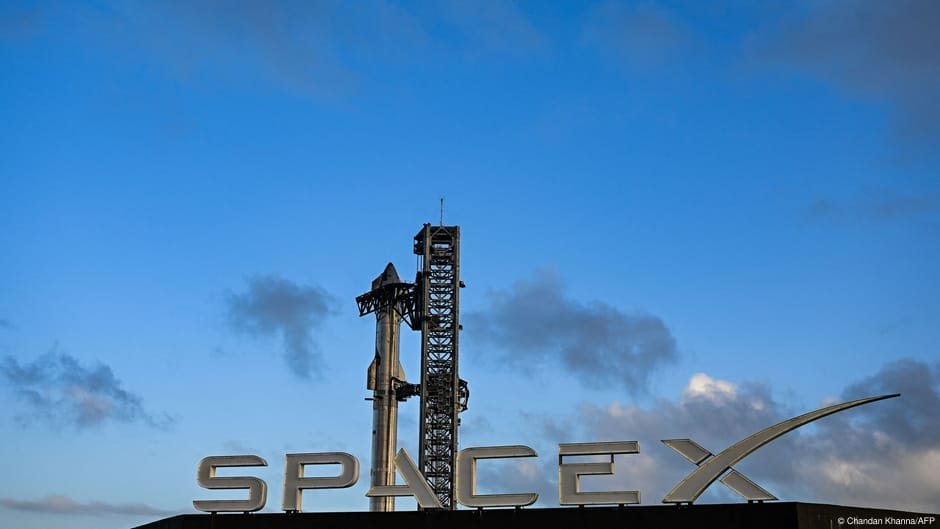
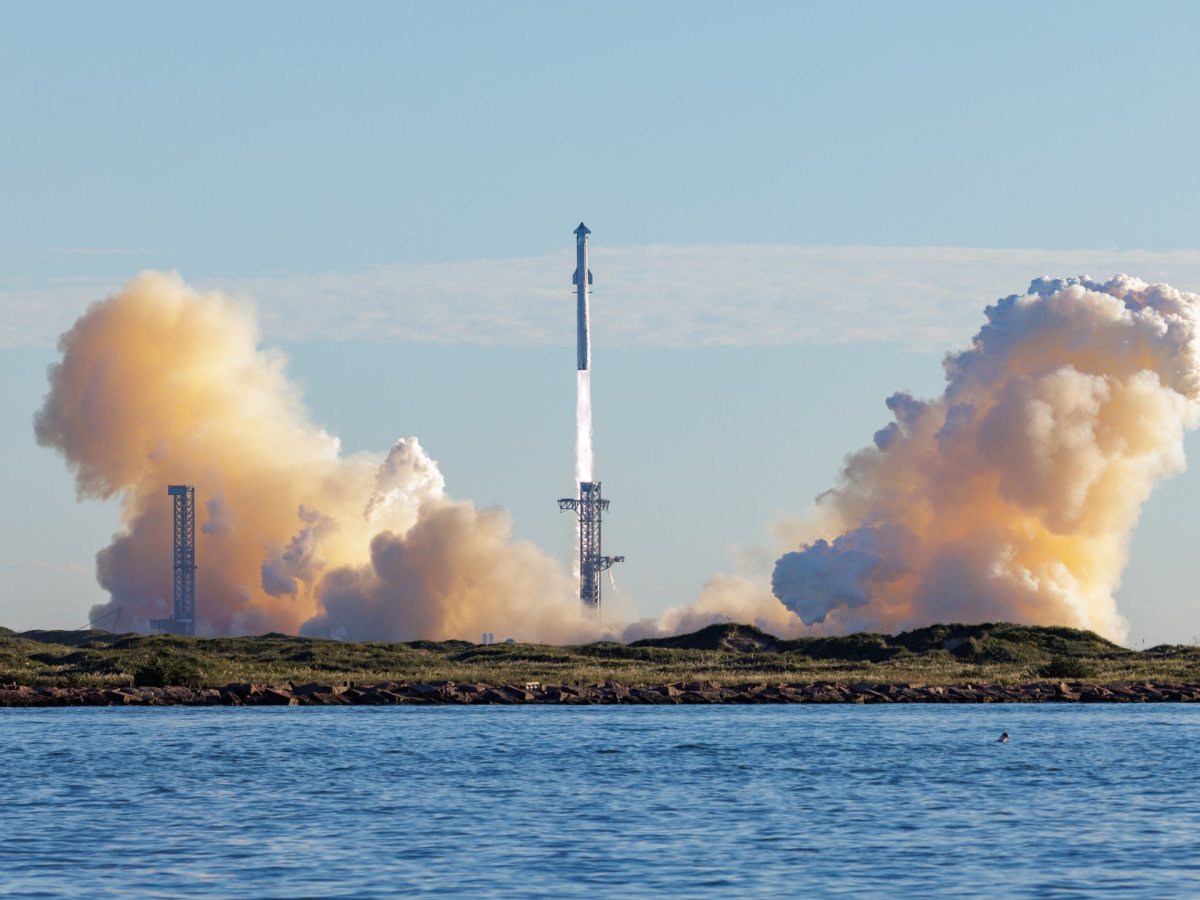
Elon Musk's SpaceX has received approval from the US Federal Communications Commission (FCC) to build a network of one million satellites designed to host artificial intelligence data centres in orbit, according to DW News. Scientists, however, have questioned the project's feasibility and warned of serious environmental and scientific risks.
The project, named "Starmind", is intended to help meet the fast-growing global demand for AI computing power.
Tight deadlines
The FCC approval comes with strict milestones. SpaceX must have 10 per cent of the authorised satellites, or 100,000, in orbit by 2035, and half of them by 2038. The full constellation is expected to be in place within 15 years, with a final deadline of 25 November 2040.
Laura Revell, a professor of atmospheric chemistry at the University of Canterbury in New Zealand, told the Science Media Center that meeting the target would require launching roughly eight satellites every hour until that date.
The case for space
Supporters argue that orbit offers abundant solar power. Ulrich Speidel of the University of Auckland's School of Computer Science said satellites could be in sunlight for more than half the day, depending on their orbit, with no clouds to block it.
SpaceX has made a similar argument, saying the satellites would use space's plentiful energy and cooling potential to ease pressure on Earth.
That pressure is growing. The International Energy Agency projects that electricity use by data centres could more than double to 945 terawatt-hours a year by 2030. A recent study estimated that data centres worldwide use between 313 billion and 764 billion litres of water for cooling, with about a quarter located in regions that regularly face water shortages.
Cooling and feasibility doubts
Speidel cautioned that cooling in space is difficult because, in a vacuum, heat can only be radiated away rather than removed with water or air.
Richard Easther, a physicist at the University of Auckland, agreed cooling was a challenge but said there were plausible solutions consistent with basic physics. Still, he described the project as being
"at the very edge of technical feasibility."
Easther noted that Musk's Starlink network would have sounded far-fetched 15 years ago, but said he considered the FCC timeline unrealistic.
Ozone and atmospheric pollution
Revell said she was extremely concerned about pollution building up in the atmosphere. Rocket launch emissions are already known to deplete the ozone layer, she said, and while the relatively small number of launches has so far limited the damage, a project of this scale could reverse decades of work to protect it.
She also warned about the satellites themselves. They are typically retired after about five years and burn up on re-entering the atmosphere. The long-term effects of the resulting vaporised metals on the climate and ozone layer remain unknown.
Space junk and the night sky
Michael Brown, an astronomer at Monash University in Australia, said Starmind would increase the number of active satellites in orbit more than 50-fold. He warned this would sharply raise the risk of collisions, potentially triggering the Kessler syndrome, a chain reaction of crashes that could render low Earth orbit unusable.
The satellites will also carry large solar panels and heavy cooling systems. Easther said this could have devastating effects on many astronomical observations, and could noticeably alter the night sky even for ordinary stargazers.
Who governs the sky?
Revell criticised the FCC for taking a decision with global consequences on its own, noting that the regulator dismissed environmental concerns as outside its remit. She said the key unanswered question is which body has the authority to protect the upper atmosphere from rocket and satellite pollution for the common good.
This story was prepared by the Hamasta Newsdesk with AI assistance, based on reporting by DW News. Read the original report. Photo: DW News.


Take your event live to thousands.
Multi-camera live streams, panel discussions and digital broadcasts with professional crews.




More in Technology
See all
US regulator clears SpaceX to put up to one million data centres in orbit
Musk pledges two SpaceX shares to every US child in $18bn giveaway
Elon Musk calls record $446m midterm spending foolish after Republican losses

Ramaphosa Tells Musk to Remember South Africa; Billionaire Hits Back With Racism Claim
Mexico seeks talks with US over suspected SpaceX rocket debris near border
Global Community Remarks
0