
El Nino floods batter Peru and Ecuador as rivers burst and thousands are displaced
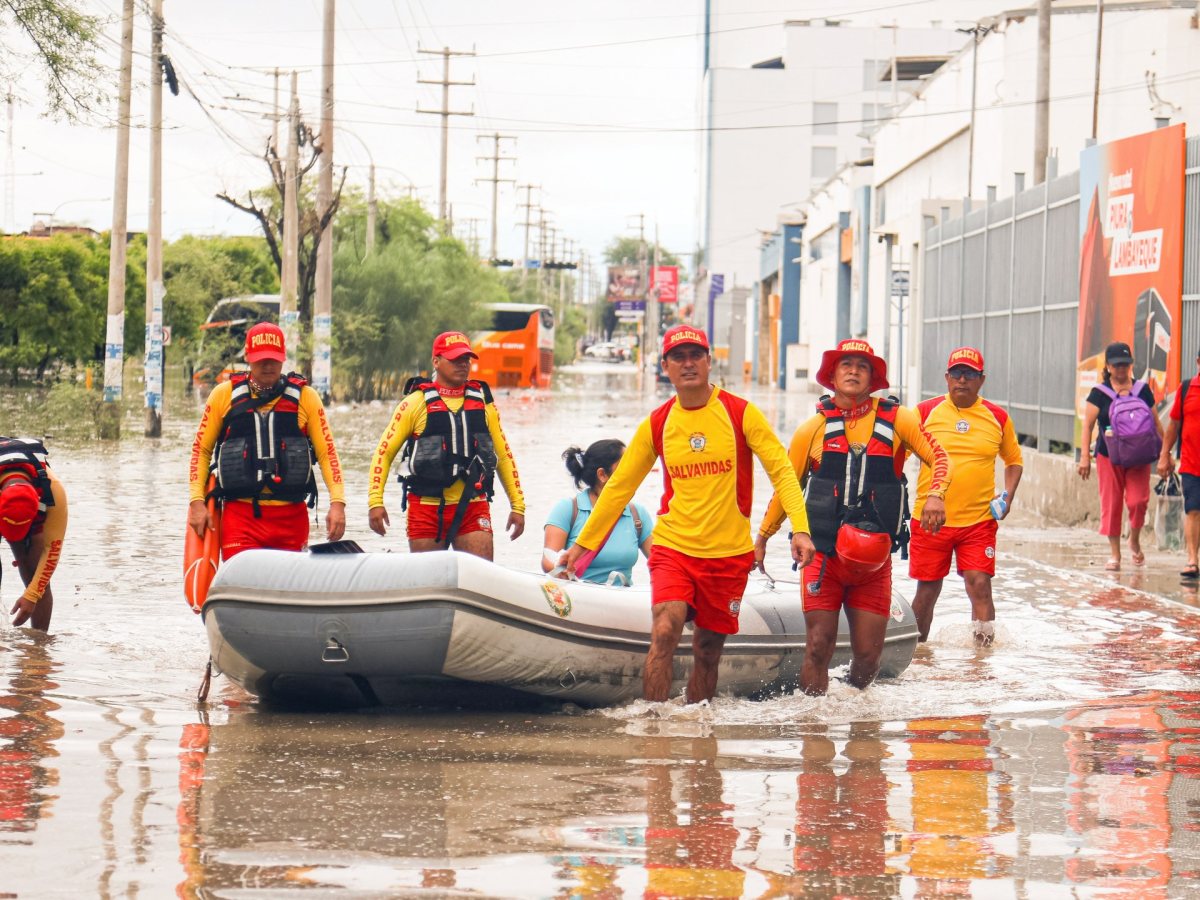
Floods driven by a powerful El Nino have swept across northern Peru and coastal Ecuador, forcing water rescues, evacuations and road closures, with Ecuador reporting at least 34 deaths since late August, according to Al Jazeera.
On Saturday, flooding stretched along the Pacific coastline from Ecuador's border with Colombia down into northern Peru, after weeks of persistent rain. Forecasters have warned that the downpours are far from over.
Record rain in Piura
Peru's weather authorities extended a red alert for the northern regions of Piura and Tumbes through Monday. They also said El Nino would remain at "extraordinary" strength until February.
The city of Piura, in the country's northwest, recorded 143mm of rain in 24 hours, a record that left streets submerged under waist-high water.
President Keiko Fujimori said rescue crews had pulled 400 people from flooded homes, while roughly a dozen others were still trapped. Preliminary reports indicate that about 2,000 families have been affected.
Fujimori, who postponed a planned trip to Colombia, has warned that the country is facing what she described as a "mega Nino". Further north, the Tumbes River spilled onto part of the Pan-American Highway, Peru's main north-south route.
One Piura resident, Pierre Garavito, told the AFP news agency that he had lost everything, noting that this was only the first heavy rainfall of the El Nino season.
Deaths and damage in Ecuador
In Ecuador, the national risk management agency said heavy rain had killed at least 34 people and affected 47,000 since late August. Two people died on Friday when a mudslide struck their homes.
Police evacuated families in Esmeraldas province after two rivers broke their banks. Floods and landslides have damaged more than 50 sections of road across the country, including the main highway linking the capital, Quito, to the coast.
In the coastal city of Manta, residents waded through chest-deep water. A local resident, Fernanda Navarrete, told AFP that people had been soaking in mud for four days.
Elections disrupted
The storms are also complicating Ecuador's local elections, scheduled for Sunday. Officials had already brought the vote forward from February to avoid the expected peak of El Nino. The electoral council has now relocated polling stations in five provinces.
Peru and Ecuador are among several Latin American countries that have declared national emergencies.
Economic toll
El Nino is a natural climate pattern that starts with a warming of the tropical Pacific Ocean and alters rainfall and temperatures around the world. The current event was classified as very strong, or "super", in September, and scientists say it could become the strongest on record.
Beyond the flooding, the phenomenon has driven up food prices by reducing crop yields and fish catches. Annual inflation in Lima, Peru's capital, rose above 5 percent in October, the highest level in three years.
Peru's central bank expects El Nino to shave nearly a percentage point off the country's economic growth this year.
El Nino's effects are felt globally, and in East Africa, including Kenya, the pattern is generally associated with heavier-than-usual rains.
This story was prepared by the Hamasta Newsdesk with AI assistance, based on reporting by Al Jazeera. Read the original report. Photo: Al Jazeera.





Show the impact of your work.
Impact stories, campaign videos and community engagement for NGOs and programmes.

More in International
See all
India and Denmark adopt 2027–31 action plan, upgrade green partnership

Switzerland votes on loosening arms export rules as neutrality debate deepens

Somali Pirates Hijack UAE-Owned Cargo Ship Off Yemen Coast

Nigerian Senator Idiat Adebule dies at 56 shortly after marking her birthday

China vows 'reunification' after Taiwan's governing DPP posts big local poll gains

Global Community Remarks
0