
Switzerland votes on loosening arms export rules as neutrality debate deepens
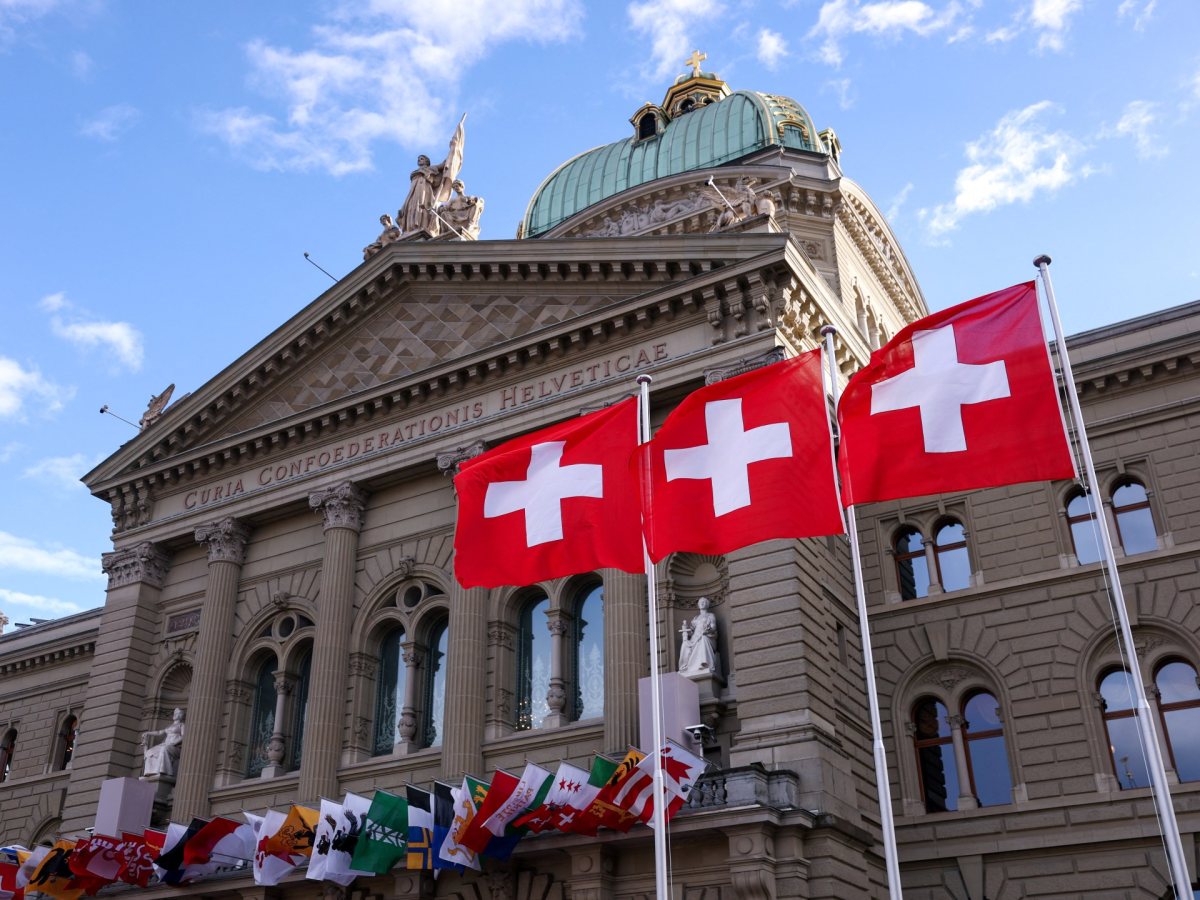
Swiss voters are deciding in a referendum on Sunday whether to relax the country's restrictions on weapons exports, a contest that has reopened debate over how Switzerland's long-standing neutrality fits with Europe's shifting security landscape, according to Al Jazeera.
The vote concerns changes to the War Materiel Act that parliament passed last year with government support. Authorities in Bern argue that Russia's full-scale invasion of Ukraine in 2022 has fundamentally reshaped security conditions across Europe.
Left-wing parties and humanitarian groups forced the referendum using Switzerland's system of direct democracy, arguing that the amendments could weaken the country's neutral status and raise the likelihood of Swiss-made arms ending up in conflicts.
A narrow contest
Polling stations were scheduled to open at 10am local time and close at noon, with early results expected soon after. Most Swiss citizens cast their ballots in advance by post.
Opinion surveys published on November 18 pointed to a slim lead for those backing the reforms, Al Jazeera reported, citing the AFP news agency.
What the changes would do
Under the proposed law, Switzerland could supply military equipment to 36 designated partner countries even when they are involved in armed conflicts, as long as such exports are consistent with the country's neutrality obligations and its foreign and security policy interests.
The partner list includes European Union member states, the United Kingdom, the United States, Australia and Japan.
The reform would also remove the automatic requirement for buyers to seek Swiss permission before passing Swiss-made weapons on to third countries, although commitments already in place would continue to apply.
Switzerland's State Secretariat for Economic Affairs says every export would still need government approval.
Industry concerns
Backers of the legislation say the current rules have left Swiss defence firms at a disadvantage against foreign competitors and put the country's place in international military supply chains at risk.
Germany has shut Swiss companies out of some defence procurement contracts, while Denmark and the Netherlands have put orders on hold, according to the report.
Despite these setbacks, Swiss arms exports climbed by 43 percent in 2025 to 948.2 million Swiss francs (about $1.13bn), with Germany the biggest buyer, according to figures cited by AFP.
Fears over human rights
Opponents, among them humanitarian organisations and left-leaning politicians, contend that loosening controls would make it more likely that Swiss weapons reach states engaged in fighting or accused of rights abuses.
The vote follows a referendum two months ago in which more than 70 percent of Swiss voters rejected a separate proposal to write a stricter definition of neutrality into the constitution.
Ukraine still off-limits
Although the war in Ukraine has been a central driver of the reforms, Switzerland's neutrality laws would continue to bar direct arms exports to Kyiv. Indirect transfers to Ukraine would also remain restricted.
Alongside the arms question, voters are also deciding on three other measures on Sunday, dealing with pension funding, limits on fireworks and changes to how married couples are taxed.
This story was prepared by the Hamasta Newsdesk with AI assistance, based on reporting by Al Jazeera. Read the original report. Photo: Al Jazeera.





Show the impact of your work.
Impact stories, campaign videos and community engagement for NGOs and programmes.

More in International
See all
Ukraine proposes Black Sea ceasefire to protect grain exports, awaits Russia's reply
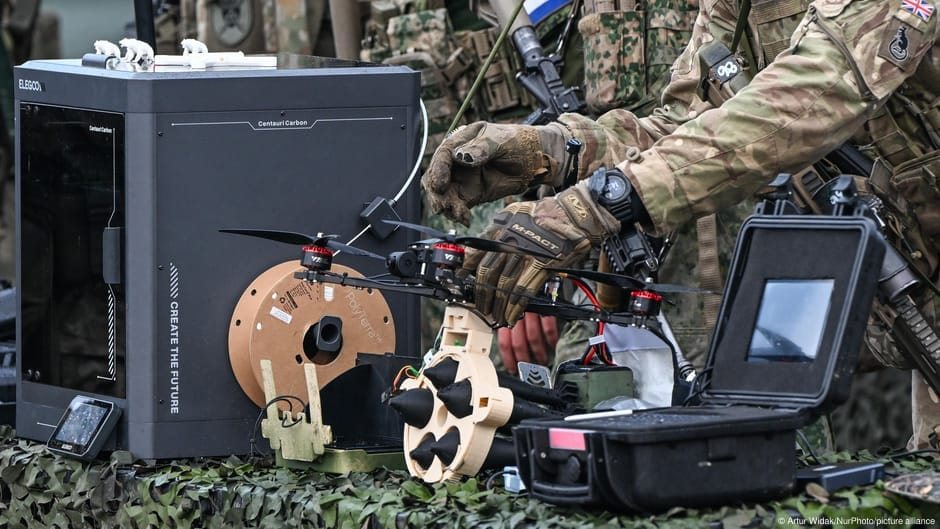
Germany to build Ukrainian 'Babka' drones as Europe deepens defence ties with Kyiv
Ukraine knocks out Kerch Bridge road span as Medvedev says 'no one needs Europe'
Macron calls on Ukraine's allies to reopen debate on Kyiv joining NATO
North Korea orders Swiss diplomat out over sanctions on children's camp

Global Community Remarks
0