
Duterte's ICC murder trial opens, reviving memories of Philippines drug war
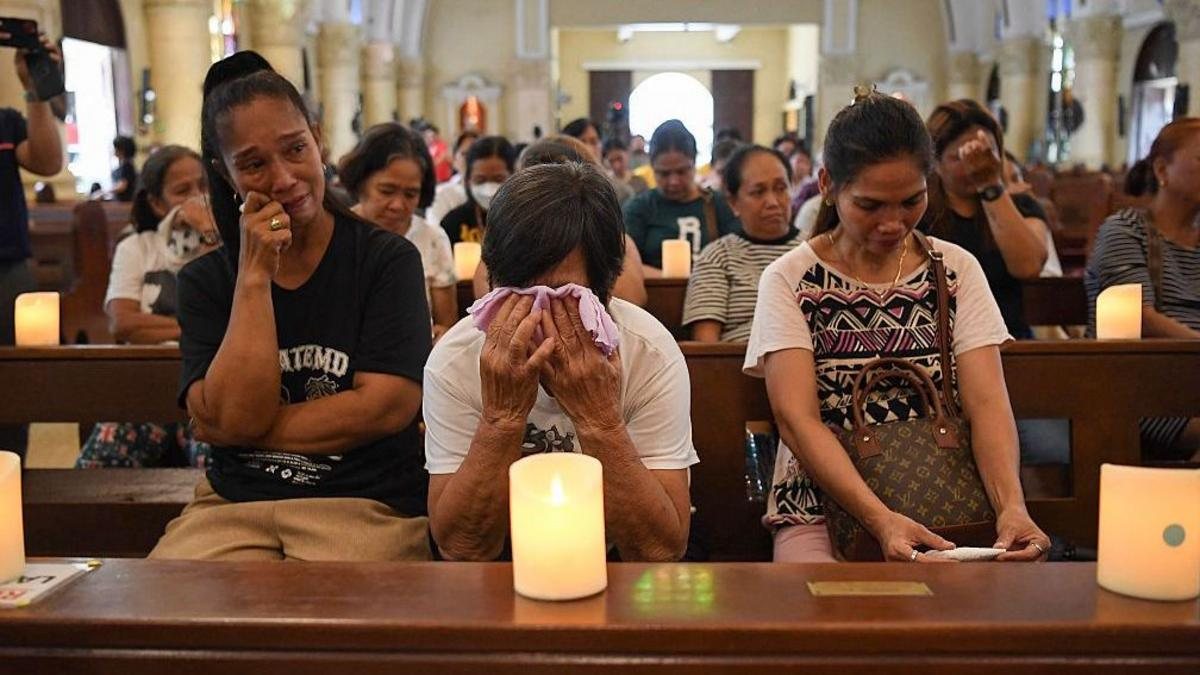
Former Philippine president Rodrigo Duterte goes on trial at the International Criminal Court (ICC) on Monday, accused of crimes against humanity over the deadly anti-drug campaign that marked his time in power, according to BBC News World.
Duterte, 81, faces three counts of murder and attempted murder. The charges relate to the deaths of 76 people, although prosecutors say these cases represent only examples from a far broader pattern of killings. He has denied the charges.
He is the first Asian leader to stand trial at the ICC. A conviction would make him the first former head of state or government found guilty by the court.
Families seek acknowledgement
For relatives of those killed, the proceedings in The Hague represent a public recognition of their loss that they say has been denied to them in the Philippines for the ten years since the killings began. Many insist their family members were innocent.
Leonila Ignacio told BBC News World that her 15-year-old daughter, Princess, vanished seven years ago after CCTV footage showed her being forced into a police vehicle. Police denied detaining her, and she says she received no assistance. She now avoids discussing the case near her home, as victims' families have frequently faced threats and abuse online.
Randy Delos Santos, whose 17-year-old nephew Kian was shot dead by police in August 2017, said he welcomed the fact that an international court had taken notice. Kian's case was among the few properly investigated, and three officers were convicted of his murder, but his uncle said he still had to gather evidence largely on his own.
Jesusa, a 68-year-old woman living in a riverside settlement in Manila, said her son Frederick was detained by police in December 2016 and later found shot dead, his body bound with wire. No investigation followed. She alleged that officers were rewarded for killings.
"They wanted everyone dead," she said, "because they got promoted."
She plans to watch the trial's broadcast on 30 November on a neighbour's television, as she does not own one.
A campaign of mass killings
The killings began almost as soon as Duterte took office in 2016. While campaigning, he had vowed to kill 100,000 criminals. As mayor of the southern city of Davao, where he is alleged to have operated death squads, he earned the nickname "The Punisher".
Police carried out door-to-door operations known as tokhang against suspected drug users and dealers, with targets often shot dead and officers claiming they had resisted. Unidentified gunmen on motorbikes, hired by police or drug gangs, also carried out killings.
Rather than restraining officers, Duterte encouraged them and promised to shield them from legal consequences, the BBC reported. After 32 people were killed in one night in Bulacan province in August 2017, he said he wanted to see that number every night.
A newly created Truth Commission has so far recorded 8,320 killings between 2016 and 2022, though it believes the true toll is many thousands higher. Human rights campaigner Carlos Conde said records were poor, with some death certificates falsified.
Jurisdiction and politics
Duterte pulled the Philippines out of the ICC in March 2019. The court maintains it has jurisdiction over alleged crimes committed before then, and argues that the country's failure to prosecute those responsible allows it to act as a court of last resort.
His lawyers argue the deaths resulted from excessive enforcement by police rather than a deliberate policy of killing.
The case remains deeply divisive. Duterte was flown to The Hague on a private jet in March last year after returning from Hong Kong, shortly after the ICC indictment was made public. His supporters accuse President Ferdinand Marcos Jr's government of surrendering national sovereignty.
The Duterte and Marcos families allied to win the 2022 election, with Sara Duterte, Rodrigo's daughter, becoming vice-president. The alliance has since collapsed, and the Dutertes describe the handover to the ICC as a political move. Sara Duterte is widely seen as a leading contender for the 2028 presidential election.
Despite the human cost, the drug policies remain popular in much of the country. In one Manila neighbourhood, most residents told the BBC the crackdown had cleaned up the area, though a pedicab driver said the poor died while the rich survived.
This story was prepared by the Hamasta Newsdesk with AI assistance, based on reporting by BBC News World. Read the original report. Photo: BBC News World.




Know what people say about you.
Media monitoring, audience insights and strategic communication for your brand.


More in International
See all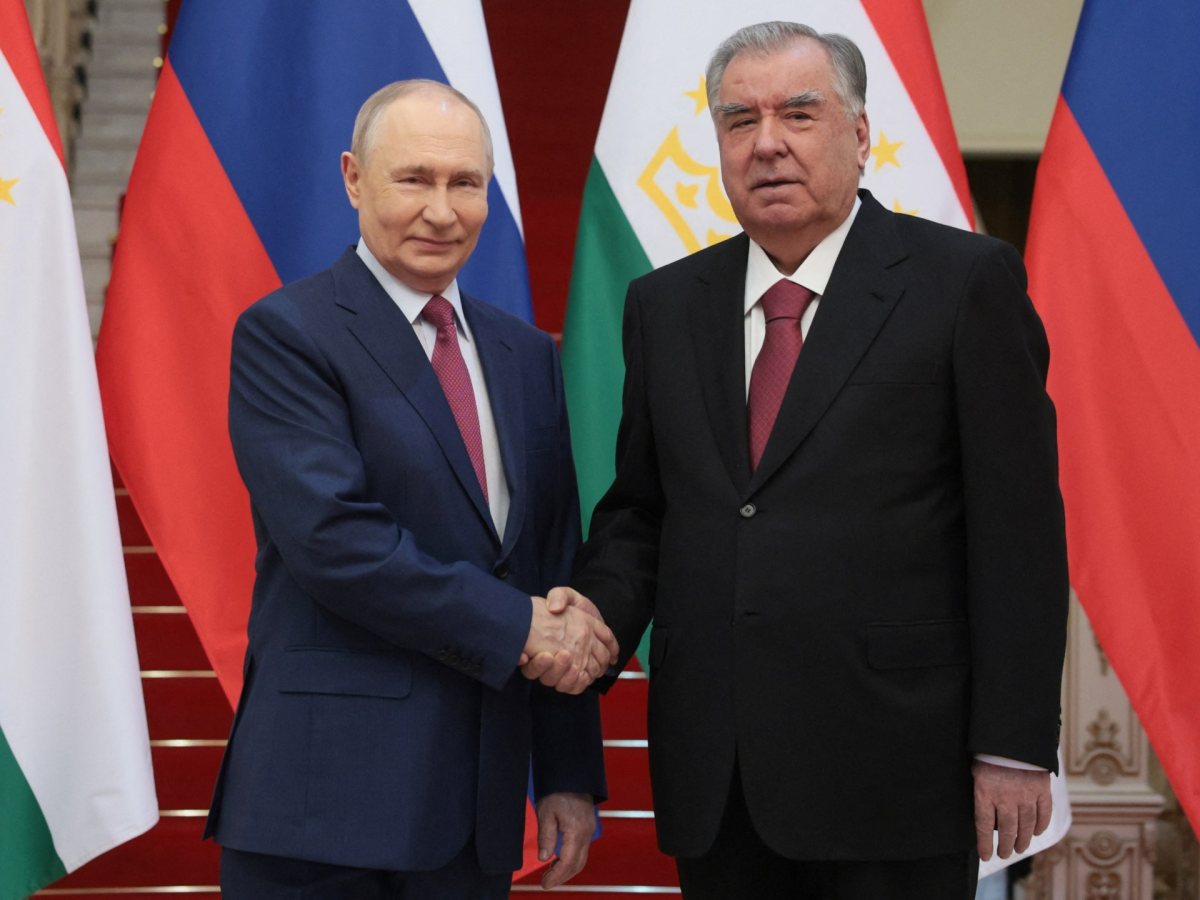
Tajikistan begins ICC exit as US campaign against the court gathers pace
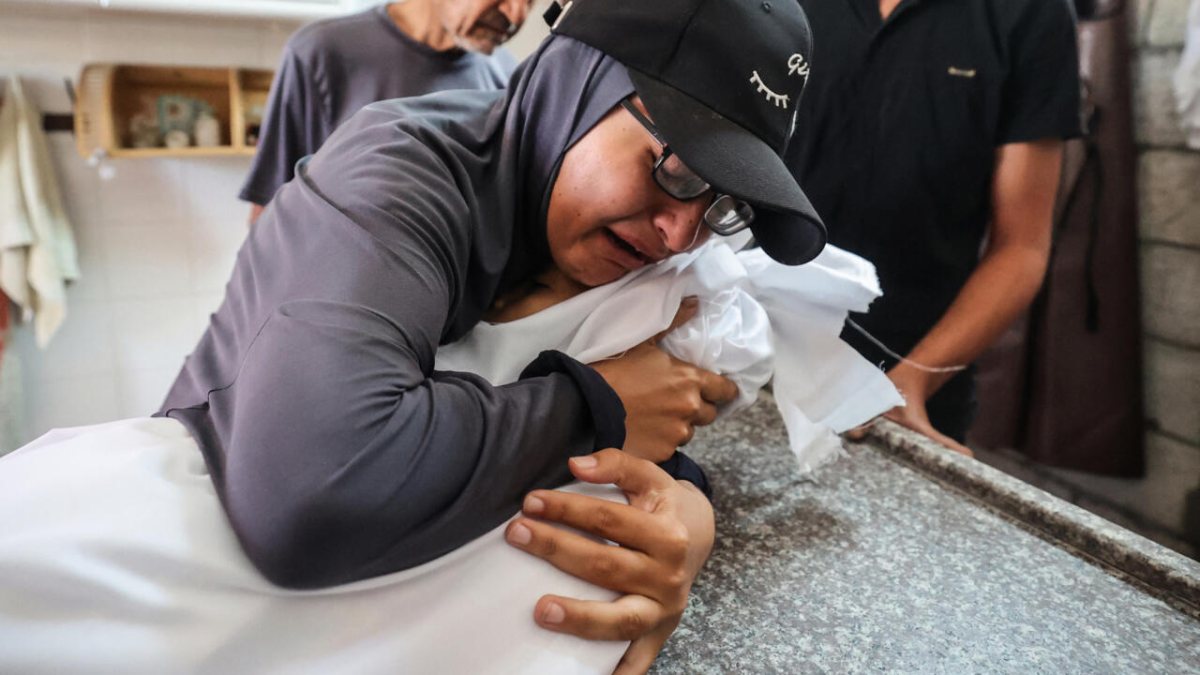
Amnesty urges ICC to probe Israel for genocide over harm to births in Gaza
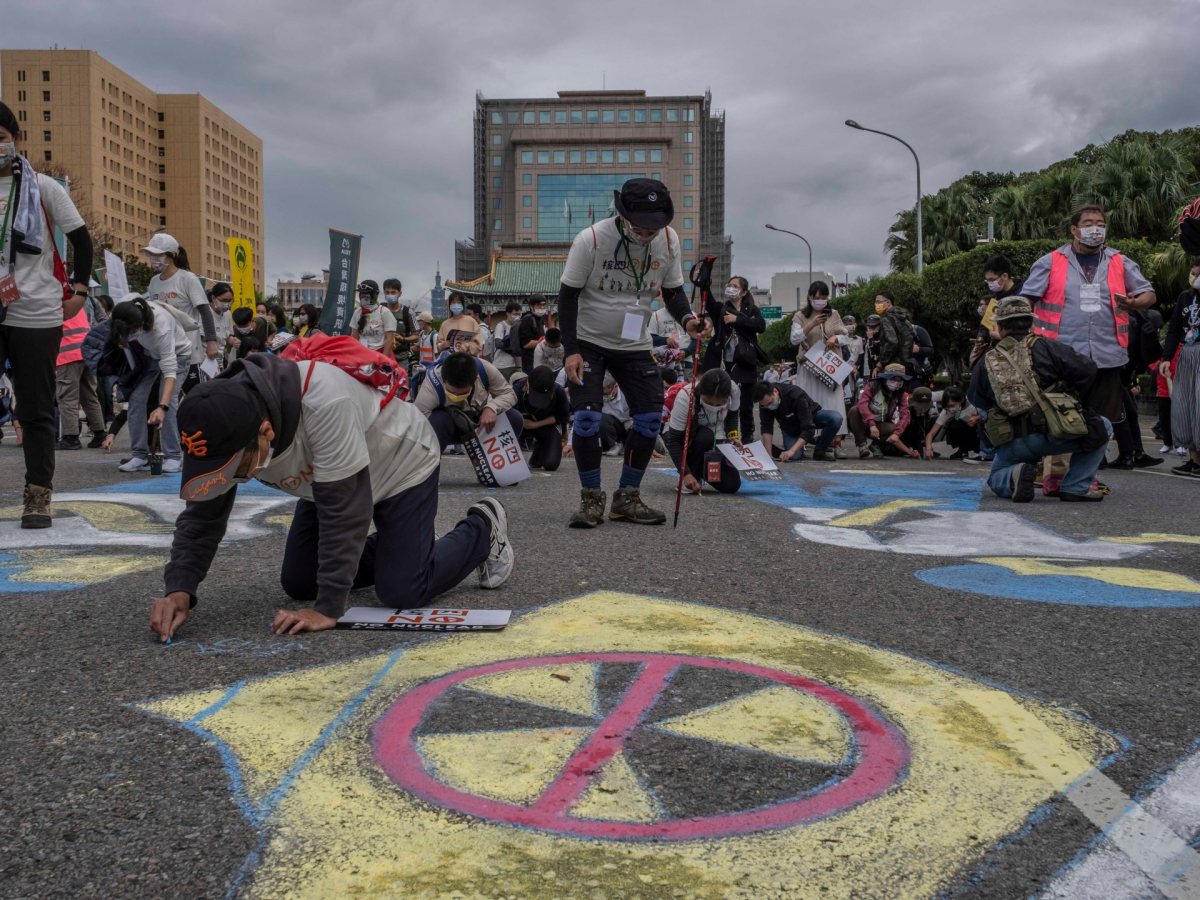
Taiwan to vote on reviving nuclear power as AI chip demand strains grid
TikTok and ICC launch digital commerce training for Kenyan creators and small firms
China and ASEAN miss 2026 target for South China Sea code of conduct

Global Community Remarks
0