
Amnesty urges ICC to probe Israel for genocide over harm to births in Gaza
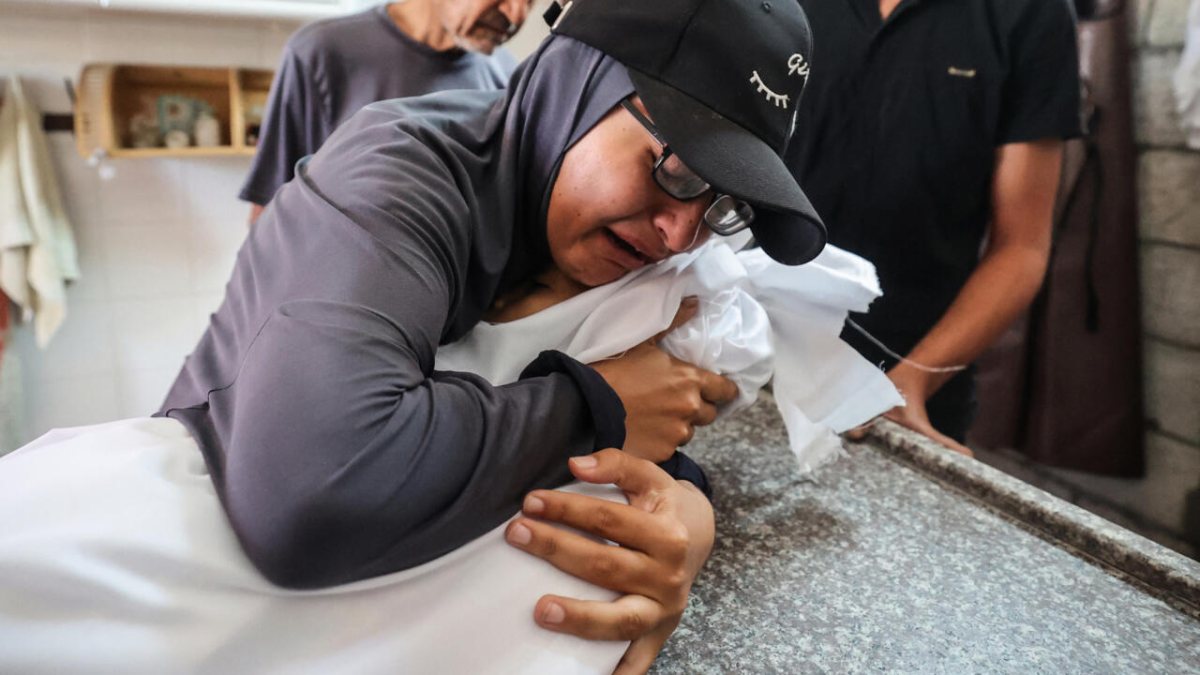
Amnesty International has called on the International Criminal Court (ICC) to investigate whether Israeli officials committed genocide in Gaza. The rights group says Israeli measures have prevented births and seriously damaged the reproductive health of Palestinian women, according to France 24.
The appeal came on Wednesday with the release of an Amnesty report marking the International Day for the Elimination of Violence against Women. The report examines how the war that began in October 2023 has affected the physical, mental and reproductive health of women in the territory.
Amnesty said it had serious concerns that the harm was intentional. However, it conceded that it could not reach a categorical conclusion on that point.
Call for a gender-focused investigation
Speaking at a press conference, Amnesty Secretary General Agnès Callamard said Israel's actions had cut off access to fertility treatment and contributed to pregnancy complications, including miscarriages and stillbirths.
She urged the ICC to consider genocide by Israeli officials since October 2023 and to include gender-based crimes and reproductive harms in its inquiry.
Under Article II of the UN Genocide Convention, imposing measures meant to prevent births within a group counts as an act of genocide when carried out with intent to destroy that group in whole or in part.
Israel rejects the findings
COGAT, the Israeli defence ministry body responsible for civilian affairs in the Palestinian territories, dismissed the report when contacted by AFP. It accused Amnesty of "echoing Hamas's false narratives".
COGAT said more than 27,000 tonnes of medical supplies and medicine had entered Gaza since a US-brokered ceasefire took effect in October 2025. It added that 35 hospitals were functioning, among them facilities providing women's health and fertility services.
Testimonies from maternity wards and ambulances
The report draws on 228 interviews. It documents women and girls who were killed or wounded in Israeli strikes while seeking medical treatment or while in maternity units.
Many women carried pregnancies or cared for newborns while injured and under constant bombardment, Amnesty said. Two paramedics described separate incidents in early 2026, a few hundred metres from the so-called Yellow Line marking the Israeli-controlled zone, in which a woman about to give birth and the ambulance sent to fetch her were both fired upon.
The group also cited the death in 2025 of a 20-day-old baby from an infection caught after sharing an incubator with another sick infant.
According to Amnesty, shortages of medical equipment have undermined pregnancy monitoring, care before and after delivery, and the detection of complications. A lack of anaesthetics and drugs to treat bleeding during childbirth has at times proved fatal.
The organisation blamed these shortages on Israeli restrictions on humanitarian aid, which it said were driving up maternal and newborn deaths.
Fertility services wiped out
Amnesty said Gaza had at least nine clinics offering in vitro fertilisation (IVF) before the war, but none now provide the treatment. Thousands of stored embryos, eggs and sperm were destroyed, it added.
Gaza's health ministry, which is run by Hamas but whose figures the UN regards as reliable, reported a fall of about 41 percent in live births in the first half of 2025 compared with 2022. The UN also recorded fewer deliveries in the first half of 2026 than in the same period a year earlier.
More than 74,000 Palestinians have been killed since the war began with Hamas's October 7, 2023 attack, according to the ministry.
Findings on hospital use
Amnesty said it had found evidence that Palestinian armed groups used hospitals, including to hold hostages and to torture Palestinians. It said, however, that it found nothing to support Israeli claims that hospitals served as Hamas command centres.
This story was prepared by the Hamasta Newsdesk with AI assistance, based on reporting by France 24. Read the original report. Photo: France 24.





Show the impact of your work.
Impact stories, campaign videos and community engagement for NGOs and programmes.

More in International
See all
Tajikistan begins ICC exit as US campaign against the court gathers pace
Israeli-backed Palestinian militias accused of role in central Gaza operation
Oxfam report finds contamination risks across more than 99% of Gaza after war
Amnesty seeks war crimes probe after shelling kills 14 civilians in Tigray town
World Court set to rule on The Gambia's Rohingya genocide case against Myanmar
Global Community Remarks
0