
Measles deaths fall to record low, but WHO flags deep vaccine gaps in Africa
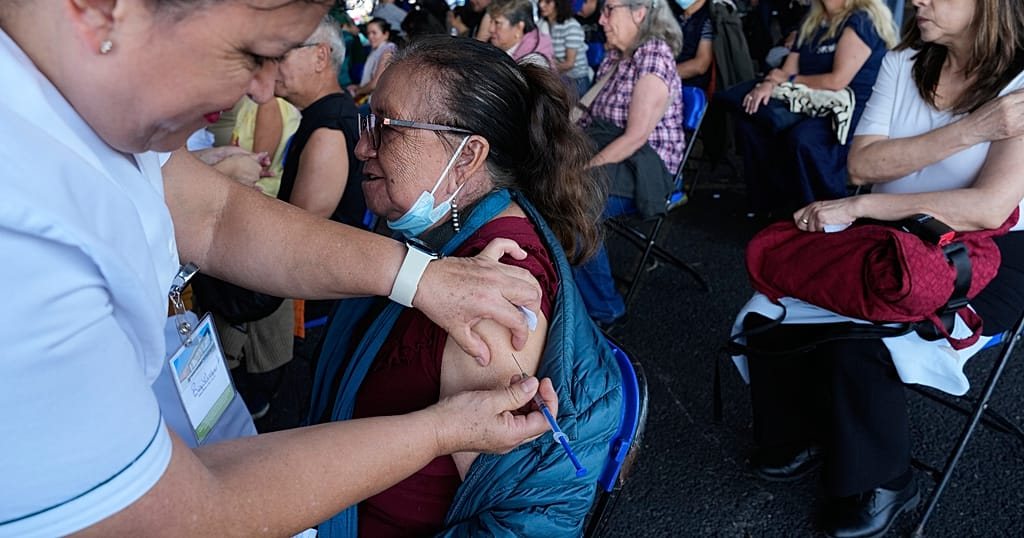
Global deaths from measles dropped to their lowest level on record in 2025, the World Health Organization (WHO) has said, while cautioning that millions of unvaccinated children, most of them in Africa and the Eastern Mediterranean, leave the gains exposed.
An estimated 72,000 people died of the disease last year, a fall of 91% compared with 2000, according to WHO figures reported by Africanews. The agency credits vaccination with saving more than 60 million lives worldwide over that period.
However, the disease continues to spread widely. Close to 10 million people were infected in 2025, and more than 29 million children were either unvaccinated or had not received full protection.
Warning against complacency
WHO Director-General Dr Tedros Adhanom Ghebreyesus attributed the decline to vaccines but warned that progress could easily be reversed. He noted that some countries that had previously eliminated measles were now losing that status.
"Elimination is not a finish line. It must be defended," Dr Tedros said.
He called for every child, everywhere, to receive two doses of the vaccine.
Rich-poor divide in coverage
Worldwide, 84% of children received their first dose of measles vaccine in 2025 and 77% got the second, the WHO said.
The figures conceal sharp differences between countries of different income levels:
- High-income countries: 93% coverage for the first dose and 91% for the second.
- Low-income countries: 69% for the first dose and 57% for the second.
Diana Chang Blanc, who heads the WHO's Essential Programme on Immunization, said the shortfall in global coverage left 29 million children under-protected last year. Eight in every ten unimmunised children live in the WHO's African or Eastern Mediterranean regions, she said.
Africa carries heavy burden
The African region, which is home to about 16% of the world's population, accounted for nearly 40% of all measles deaths in 2025, according to Chang Blanc.
She said children in fragile, conflict-affected and otherwise vulnerable settings were hit hardest, describing the situation as a significant equity gap. "The inequities remain stark," she said.
Measles is a highly contagious viral illness that spreads through the air and can cause severe complications, particularly in young and malnourished children, making routine immunisation a cornerstone of child health programmes across the continent.
Outbreaks in previously measles-free countries
Fifty-nine countries reported large or disruptive outbreaks in 2025. Among them were 11 countries that had earlier been certified as having eliminated measles.
The WHO said safeguarding the progress made over the past quarter-century will depend on ensuring two vaccine doses for every child, strengthening disease surveillance systems and maintaining consistent immunisation efforts.
The report underlines the challenge facing health authorities in low-income settings, where gaps in second-dose coverage remain widest and where outbreaks continue to claim lives despite the global decline in deaths.
This story was prepared by the Hamasta Newsdesk with AI assistance, based on reporting by Africanews. Read the original report. Photo: Africanews.


Take your event live to thousands.
Multi-camera live streams, panel discussions and digital broadcasts with professional crews.




More in Health
See all
Virginia child under five dies of measles as US cases hit highest level since 1991
US loses measles elimination status after 26 years as cases hit record high
US loses measles-free status as Brazil's rapid-response model offers a path back

Unvaccinated Pennsylvania resident dies as US loses measles elimination status
Uganda launches Africa's first mRNA Ebola vaccine trial, including children

Global Community Remarks
0