
Iran's rial crashes past 3 million to the US dollar as war and sanctions bite
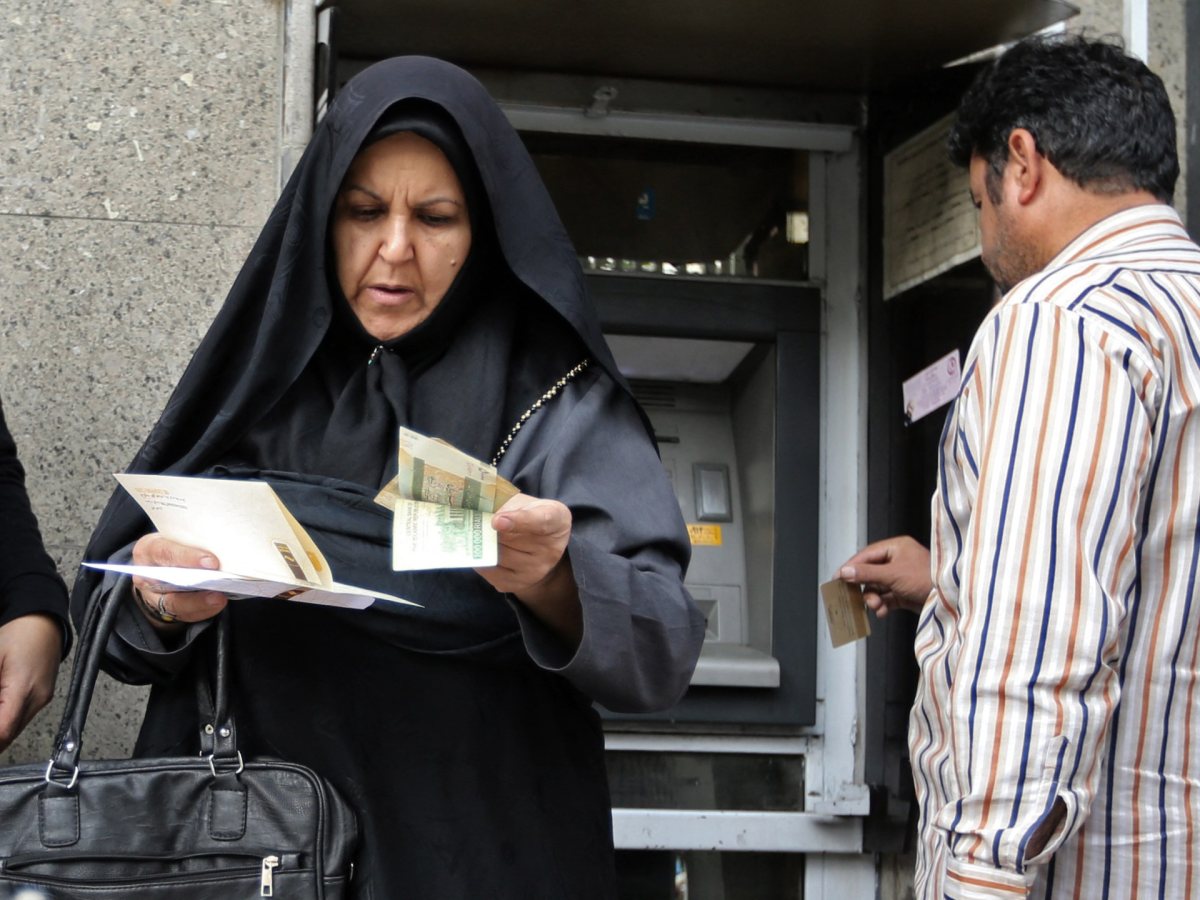
Iran's currency has fallen past 3 million rials to the US dollar on Tehran's open market, a new record low for an economy battered by long-standing structural problems, war with the United States and Israel, and sweeping US sanctions, according to Al Jazeera.
The slide has been steep. A year ago, a dollar bought roughly 1.15 million rials, and as recently as last week it traded at about 2.6 million. Nine years ago, shortly before US President Donald Trump pulled out of the 2015 nuclear agreement between Iran and world powers, the rate stood below 40,000 rials.
War, blockade and sanctions
The latest fall comes more than nine months after the US and Israel launched surprise strikes on Iran on February 28, which killed Iranian leaders and caused heavy damage to infrastructure.
It also comes close to 100 days after the US Treasury began what it calls Operation Economic Outcast, aimed at cutting off Iran's sources of revenue. Washington has imposed the harshest sanctions Iran has ever faced, alongside a naval blockade of its southern ports intended to stop oil exports.
Appearing on state television on Saturday, central bank governor Abdolnasser Hemmati acknowledged that the currency crisis, driven by both economic and political factors, had unsettled the market. "Our effort is to maintain stability in the market as much as we can," he said.
Hemmati also said this week that the bank had set aside $32bn for importing essential goods, an amount he said should allow the country to withstand US pressure for "months".
Money printing and soaring prices
Tehran-based economic analyst Ashkan Bahrami told Al Jazeera that although the war and sanctions had added to the strain, the economy suffers from deeper systemic weaknesses. Chief among them, he said, is the government's habit of printing money to cover budget deficits, which feeds inflation.
Bahrami said the rial's latest low was not a surprise given high inflation across all goods, and suggested the currency could reach 4 million to the dollar by the end of the Iranian year in late March 2027.
Figures from the Statistical Center of Iran for October put annual inflation at 88.7 percent, with a 12-month average of 76.8 percent. Essential goods have recorded triple-digit inflation for months, and food prices rose by more than 113 percent year-on-year in October.
Mismanagement and corruption at home, restricted access to foreign currency and disrupted trade and financial channels caused by sanctions have added to the pressure.
Limited room for relief
Bahrami said only a fresh agreement with Washington, similar to the memorandum of understanding signed in June that temporarily halted the fighting, could bring a quick short-term improvement. Even then, he warned, its effect would be limited without basic reforms to balance government spending and revenue.
He noted that non-oil exports such as petrochemicals, metals and minerals can pay for essential imports, making immediate shortages unlikely, although problems could emerge if the current trend persists.
"We will not see milk or bread missing from the shelves or total economic collapse anytime soon," he said, adding that steep price rises and stagnant growth would continue.
Ordinary Iranians feel the squeeze
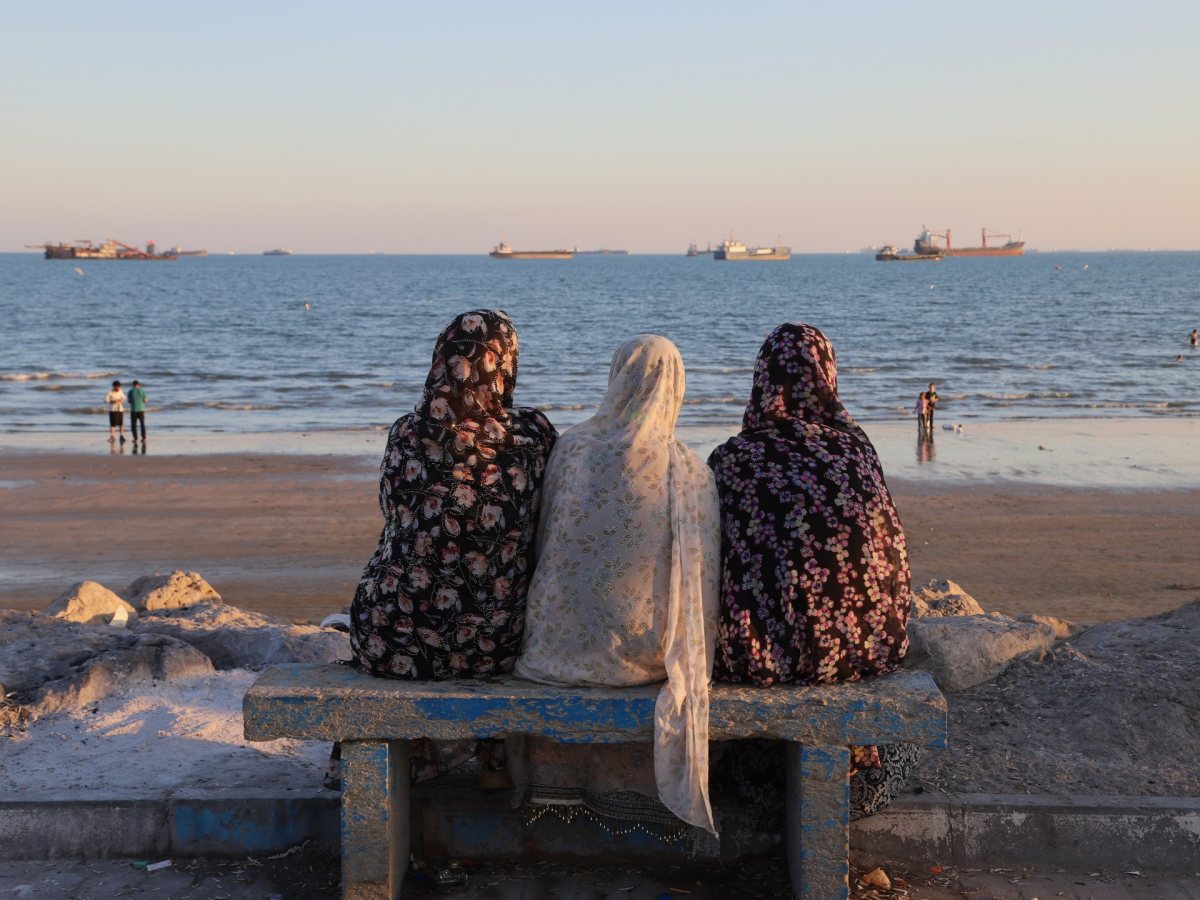
For Iran's 90 million people, steadily growing poorer, housing, cars, electronics and many basic items have long been out of reach.
A textile trader in Tehran's Grand Bazaar, speaking anonymously for security reasons, told Al Jazeera that the past week's currency fall had brought business to a standstill, with far fewer calls and orders whenever the dollar rate swings.
Online, Iranians have voiced frustration. One user joked that buying two kilos of bananas for 10 million rials, just over $3, meant his monthly government food coupons were worth little more than a monkey's lunch.
Another recalled that 15 years ago people hoped the dollar would fall back after jumping to about 30,000 rials. The rate is now more than 100 times higher, and he said he no longer expects it to come down.
This story was prepared by the Hamasta Newsdesk with AI assistance, based on reporting by Al Jazeera. Read the original report. Photo: Al Jazeera.




Know what people say about you.
Media monitoring, audience insights and strategic communication for your brand.


More in International
See all
US widens Iran sanctions, targeting exchange houses in 'shadow banking' crackdown

Mnangagwa invites two Kenyan journalists to Zimbabwe after currency questions
Shilling Crosses Ksh130 Against Dollar as Import Demand and Weaker Inflows Bite
Iran's economy reels under US blockade as Tehran insists it can hold out
Iran warns of winter gas shortages as war damage deepens energy crisis
Global Community Remarks
0