
Court Nullifies KSh 5 Billion Affordable Housing Project in Bungoma, Orders Public Land Restoration

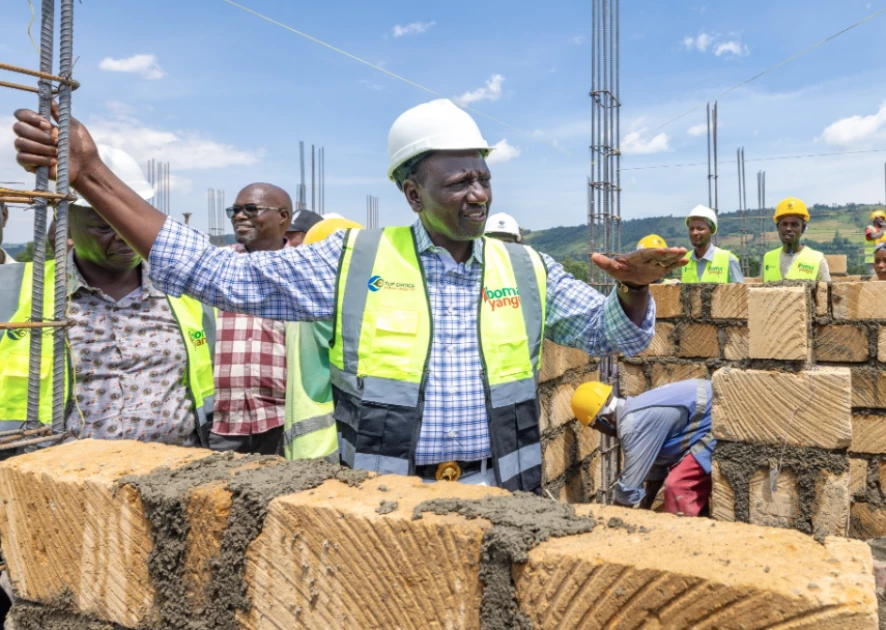
The government’s affordable housing programme has suffered a major setback after the Environment and Land Court in Bungoma nullified the proposed KSh 5.02 billion Kanduyi Airstrip Smart City Affordable Housing Project and ordered the restoration of the disputed public land within 45 days.
In a judgment delivered virtually on October 8, 2026, Justice K. Bor ruled that the project was unconstitutional and unlawful because it failed to meet legal requirements governing public land, environmental protection, physical planning and public participation.
The development was expected to deliver 2,034 housing units alongside supporting social amenities on approximately 36.95 acres of land registered as Bungoma Township/345.
The construction contract, valued at approximately KSh 5.02 billion inclusive of VAT, had been awarded to Shyam General Merchants Limited.
Court Rules Against Conversion of Airstrip Land
At the centre of the dispute was the government's decision to convert land reserved for aviation purposes into a residential housing development.
The court found that the property was public land designated for aviation and that the respondents had failed to demonstrate compliance with the legal procedures required to change its designated use.
Justice Bor ruled that the actions violated Articles 10, 42, 62 and 69 of the Constitution, which address national values and governance, environmental rights, public land and environmental protection.
The court subsequently declared the project's tender process unconstitutional and void, effectively halting the development in its current form.
Public Participation Process Faulted
The court also raised concerns over the timing and adequacy of public consultation before the project was approved.
According to the judgment, the construction contract had already been awarded before a public participation meeting held on January 14, 2026.
The judge rejected the adequacy of consultation conducted after key project decisions had effectively been made, emphasising that public participation must occur early enough to influence government decisions.
The ruling further highlighted the need to consider environmental sustainability and ensure that women, young people, children and persons with disabilities are meaningfully involved in decisions affecting public resources.
Government Ordered to Restore Land Within 45 Days
Beyond cancelling the tender process, the court issued a permanent injunction prohibiting development, rezoning, leasing, transfer or other dealings inconsistent with the property's lawful designation.
The respondents were directed to restore the land to its original condition within 45 days, with the restoration costs to be borne jointly and severally by the parties held responsible.
The court also ordered an environmental planning and land-use audit within the same period.
The National Land Commission was tasked with securing, protecting and managing the property in accordance with the Constitution and applicable legislation.
Six Additional Parcels Under Investigation
The court directed the Kenya Airports Authority and the National Land Commission to establish within 14 days whether six additional parcels form part of the land reserved for Kanduyi Airstrip.
The parcels are Bungoma Municipality/610, 611, 612, 852, 795 and 799.
If the investigations confirm that the properties form part of the airstrip reserve, the court ruled that its declarations and remedies would extend to those parcels, subject to necessary modifications.
The petitioners were also awarded the costs of the proceedings.
What the Ruling Means for Affordable Housing
The judgment represents a significant setback for the planned Bungoma development, although it does not, by itself, determine whether the government can pursue a different housing project on an alternative site that complies with the law.
It also underscores the legal obligations facing government agencies implementing large-scale infrastructure and housing programmes, particularly where public land and environmental rights are involved.
The ruling comes amid continued national debate over affordable housing, public expenditure and the implementation of the government's housing agenda.
For the Kanduyi project, the immediate priorities are compliance with the court orders, restoration of the disputed land and completion of the required investigations and audit.
The case reinforces a key constitutional principle: development projects must comply with the law, protect public resources and provide meaningful opportunities for public participation before implementation.
HAMASTA MEDIA will continue to follow developments surrounding the ruling and its implications for public land management and affordable housing in Kenya.



Know what people say about you.
Media monitoring, audience insights and strategic communication for your brand.


More in Special Report
See all
YVONNE OKWARA QUESTIONS RUTO’S FLOOD OF PROJECT ANNOUNCEMENTS

RUTO PROPOSES BUFFALO FARMING TO ADDRESS KENYA’S MILK SHORTAGE

SICOMUSA Beyond 2026: Celebrating Progress and Achievements
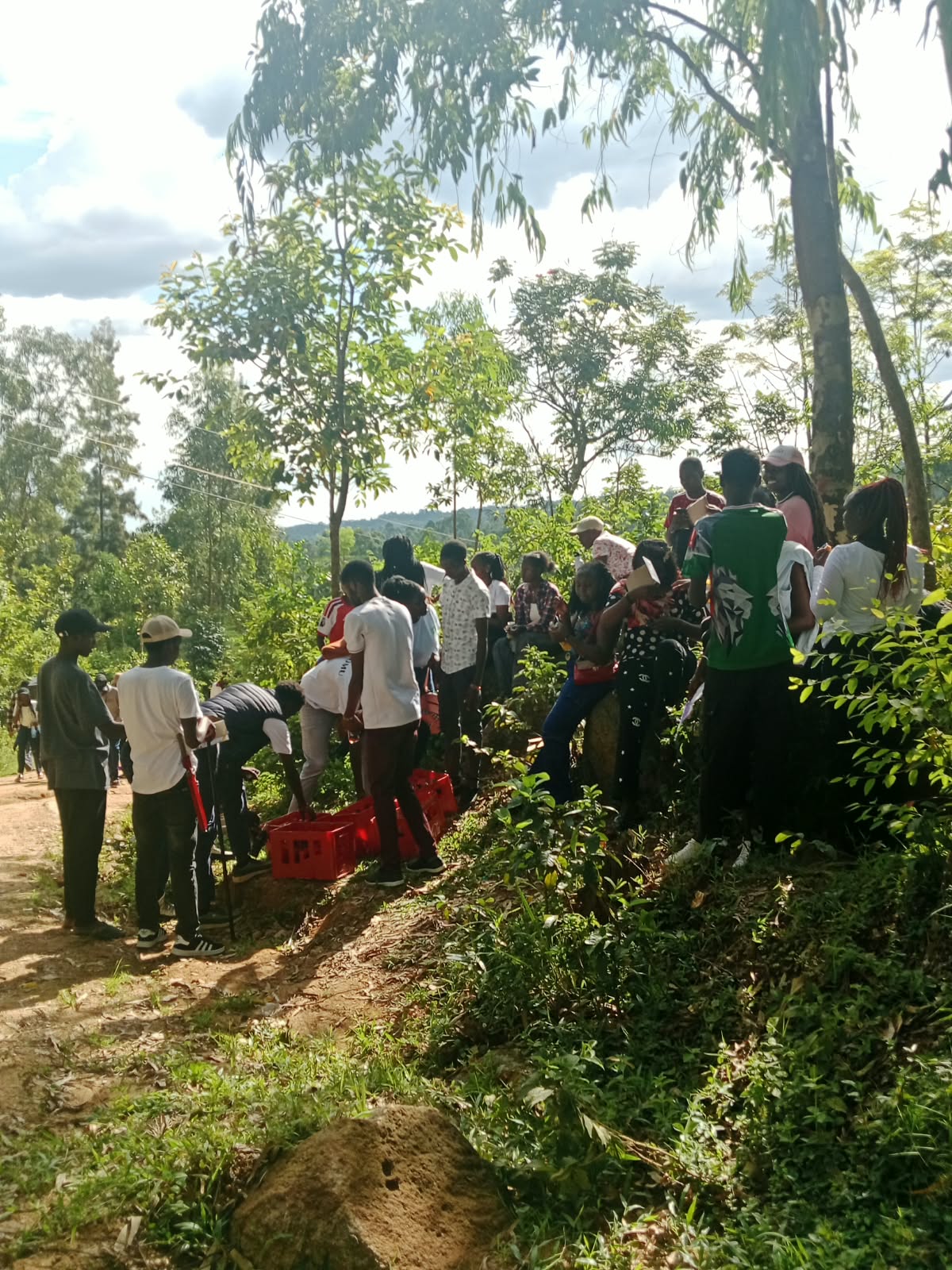
NACSAMU held their Hike : Fun, Welfare, and Leadership Engagement

Dorcas Rigathi Warns Alcohol and Drug Abuse Are Wiping Out Kenya’s Boychild

OKOA NDUME Founder Patrick Wechuli Calls for Mental Health Awareness Among Male Students
Global Community Remarks
0