
RUTO PROPOSES BUFFALO FARMING TO ADDRESS KENYA’S MILK SHORTAGE

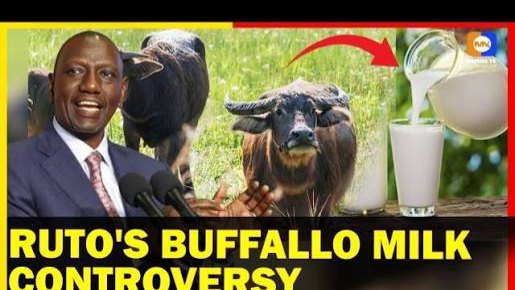
President urges livestock sector to diversify milk production, citing India’s buffalo dairy industry and the commercial potential of camel milk.
President William Ruto has proposed introducing domesticated water buffaloes into Kenya’s dairy industry as part of efforts to address the current milk shortage and diversify the country’s sources of milk.
Speaking during the Agriculture and Food Systems Transformation Summit at Jamhuri Park in Nairobi on October 8, 2026, the President said Kenya should explore alternative livestock breeds capable of increasing milk production.
“I hear buffaloes also produce a lot of milk. If others are milking them, why can’t we do the same? What is wrong with that? We need to diversify our sources of milk,” Ruto said.
The President revealed that he had asked Livestock Development Principal Secretary Jonathan Mueke to explore sourcing improved camel breeds and buffaloes for possible introduction into the country.
Ruto also highlighted the commercial potential of camel milk, noting that a litre sells for approximately KSh180 to KSh200 in urban markets.
“In town, a litre of camel milk goes for Sh180, almost Sh200. It’s triple the cow’s milk,” he said, arguing that camel farming could provide additional income opportunities for livestock farmers.
The President attributed the milk shortage partly to drought, which has reduced pasture and increased the cost of feeding dairy cattle.
He proposed beginning buffalo farming on a small scale to assess its suitability for Kenyan conditions, using countries such as India as examples of successful buffalo milk production.
However, the proposal will require feasibility studies, suitable breeds, veterinary safeguards and investment before it can significantly contribute to local milk supplies.
Ruto’s remarks come as declining milk deliveries to processors put pressure on consumers and the dairy industry.
Source: The Star, “Ruto floats buffalo milk idea to ease shortage,” October 9, 2026; The Standard, “For meat and milk: Ruto proposes buffalo farming to ease shortage,” October 10, 2026.


Grow an audience that listens.
Social media management, digital campaigns and online storytelling that converts.



More in Special Report
See all
YVONNE OKWARA QUESTIONS RUTO’S FLOOD OF PROJECT ANNOUNCEMENTS

SICOMUSA Beyond 2026: Celebrating Progress and Achievements
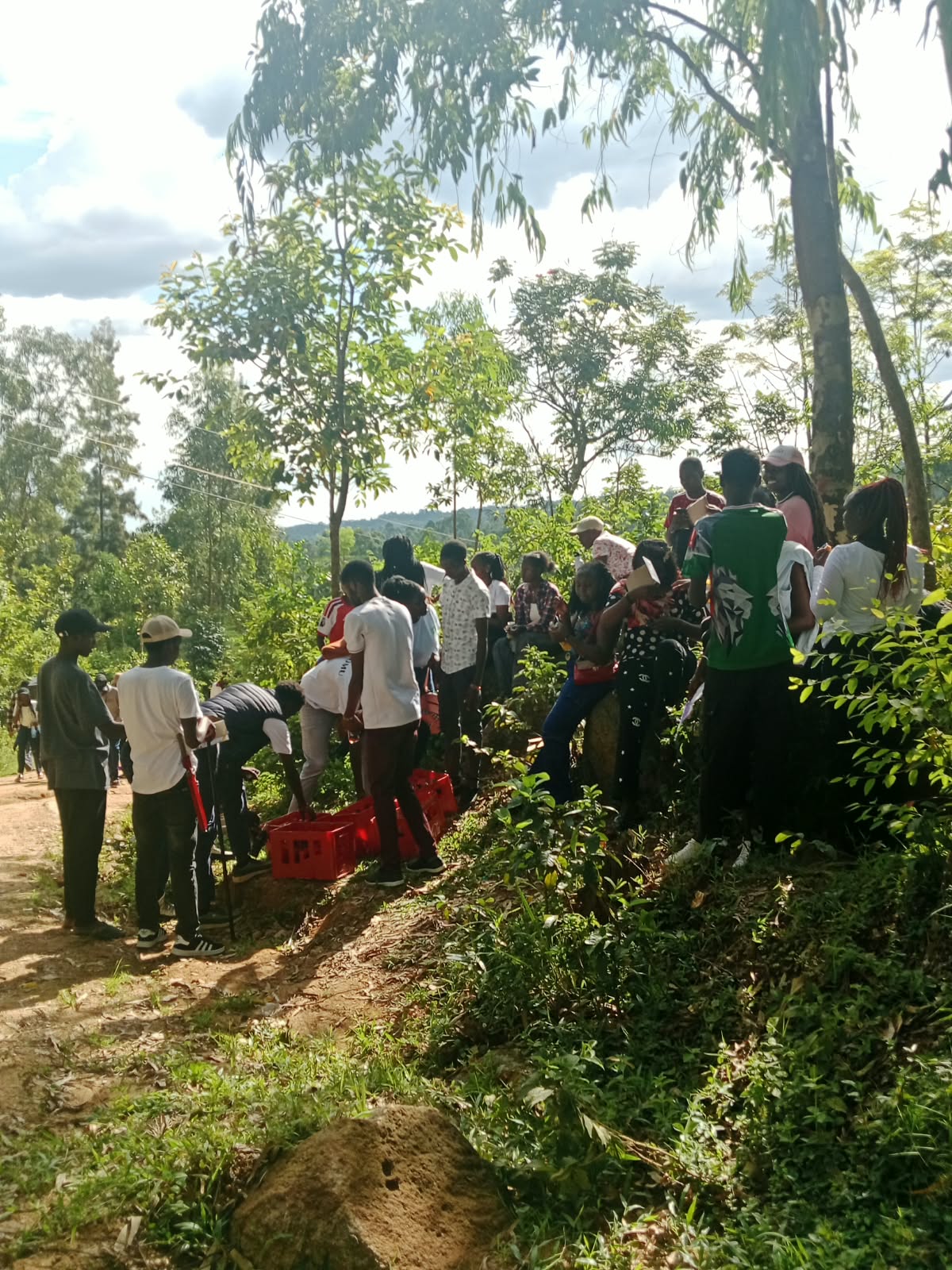
NACSAMU held their Hike : Fun, Welfare, and Leadership Engagement
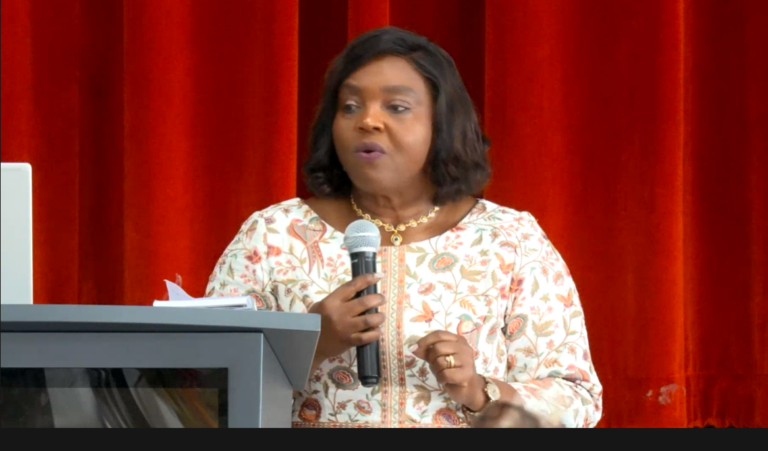
Dorcas Rigathi Warns Alcohol and Drug Abuse Are Wiping Out Kenya’s Boychild

OKOA NDUME Founder Patrick Wechuli Calls for Mental Health Awareness Among Male Students

Court Nullifies KSh 5 Billion Affordable Housing Project in Bungoma, Orders Public Land Restoration
Global Community Remarks
0