
Dorcas Rigathi Warns Alcohol and Drug Abuse Are Wiping Out Kenya’s Boychild

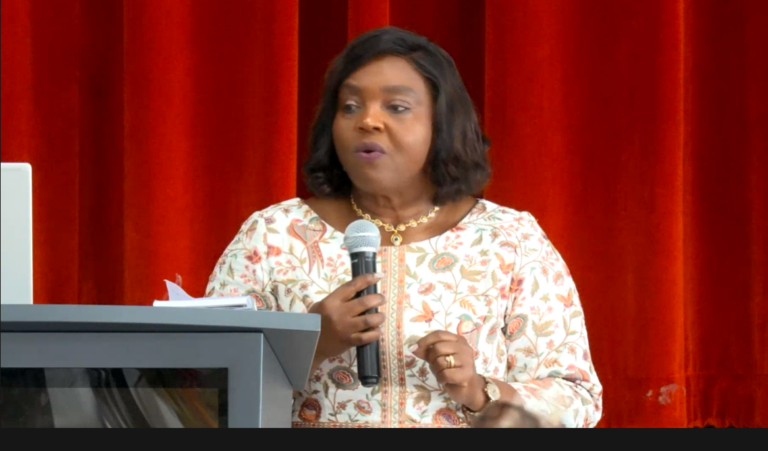
Speaking during a meeting with women in Worcester, Massachusetts, in the United States, Rigathi called for greater involvement of families, schools and communities in addressing what she described as a crisis affecting the boychild.
Claims of Alcohol and Drug Abuse Among University Students
Rigathi claimed that by the time she left office, half of university students were struggling with alcohol and drug abuse. She further alleged that at least 10 university students were dying by suicide daily, adding that boys accounted for approximately 90 per cent of those affected.
These figures were presented as part of her remarks and have not been independently verified as national statistics.
She said parents who send their children to university hoping they will graduate and build successful futures are sometimes left mourning their children instead.
Central Kenya Faces Concerns Over Alcohol-Related Deaths
Rigathi singled out Central Kenya, saying pastors in the region were overwhelmed by frequent burials of young men who reportedly died after consuming alcohol without eating.
Her remarks highlighted the devastating consequences substance abuse can have on families and communities, particularly when young people experience severe health complications linked to excessive drinking or illicit alcoholic beverages.
Alcohol Abuse and Road Safety
The former Second Lady also linked substance abuse to road accidents, expressing concern over matatu and boda boda operators who allegedly drive under the influence of alcohol.
She said impaired driving endangers passengers and other road users, contributing to deaths and permanent disabilities. She also pointed to the burden of injuries on hospital wards, particularly those treating boda boda accident victims.
Crime, Gender-Based Violence and Family Hardship
Rigathi further argued that substance abuse contributes to crime and gender-based violence, describing the consequences for families left behind when men die or are imprisoned.
She claimed that men account for approximately 90 per cent of Kenya's prison population. This figure, like the other statistics she cited, requires independent verification before being treated as an established national statistic.
According to her remarks, the resulting hardship affects mothers, widows and orphans, with some children struggling to access education and other basic needs.
More Than 2,000 Victims of Illicit Alcohol Received Support
Reflecting on her time in office, Rigathi said her office had supported more than 2,000 people who lost their sight or limbs after consuming illicit alcoholic drinks.
She said the assistance included providing assistive devices to help affected individuals cope with permanent disabilities.
Her account drew attention to the potentially devastating effects of toxic substances used in the production of illicit brews, which can leave survivors with life-changing injuries.
The number of beneficiaries she cited was not independently verified in the published report.
Call to Kenyan Women in the Diaspora
Rigathi urged Kenyan women living abroad to play a greater role in preventing alcohol and drug abuse among young people back home.
She encouraged mothers to speak openly with their sons and husbands about substance abuse and to support awareness initiatives in schools across Kenya.
She also stressed that addressing the challenges affecting boys is important for the wellbeing of girls and families, arguing that the deaths of young men can leave women widowed and children without parental support.
The Need for a Coordinated Response
Rigathi's remarks add to the national discussion about substance abuse, youth welfare and the challenges facing Kenyan families.
Addressing these concerns requires evidence-based interventions, including access to rehabilitation services, mental health support, public education, enforcement against illicit alcohol and reliable data to guide policy decisions.
While the figures cited in her remarks require independent verification, her appeal highlights the importance of involving families, schools, religious institutions and government agencies in preventing substance abuse and supporting affected young people.


Take your event live to thousands.
Multi-camera live streams, panel discussions and digital broadcasts with professional crews.




More in Special Report
See all
YVONNE OKWARA QUESTIONS RUTO’S FLOOD OF PROJECT ANNOUNCEMENTS

RUTO PROPOSES BUFFALO FARMING TO ADDRESS KENYA’S MILK SHORTAGE

SICOMUSA Beyond 2026: Celebrating Progress and Achievements
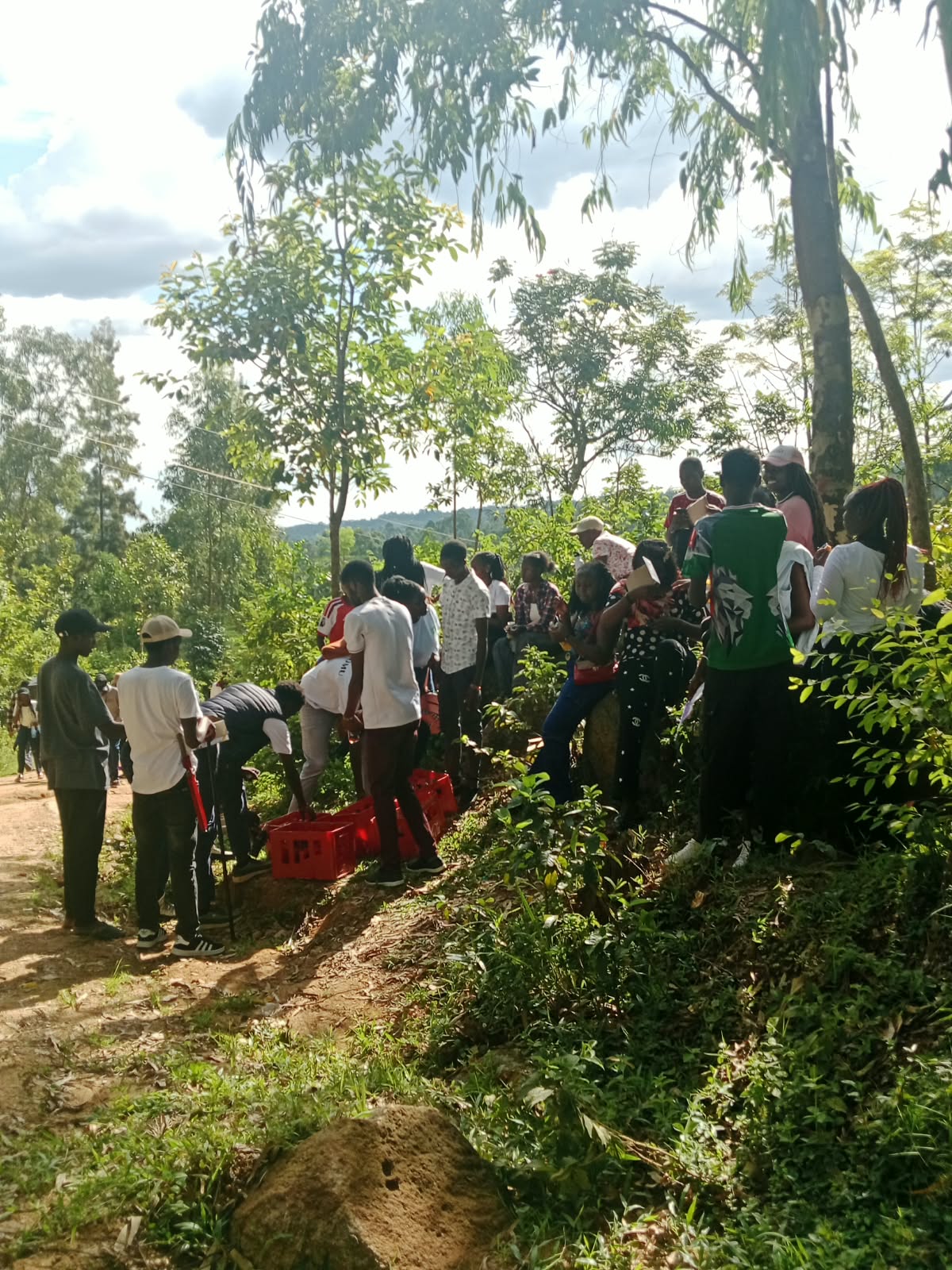
NACSAMU held their Hike : Fun, Welfare, and Leadership Engagement

OKOA NDUME Founder Patrick Wechuli Calls for Mental Health Awareness Among Male Students

Court Nullifies KSh 5 Billion Affordable Housing Project in Bungoma, Orders Public Land Restoration
Global Community Remarks
0