
IMF raises alarm over rising cost of loans for Kenya and other African governments

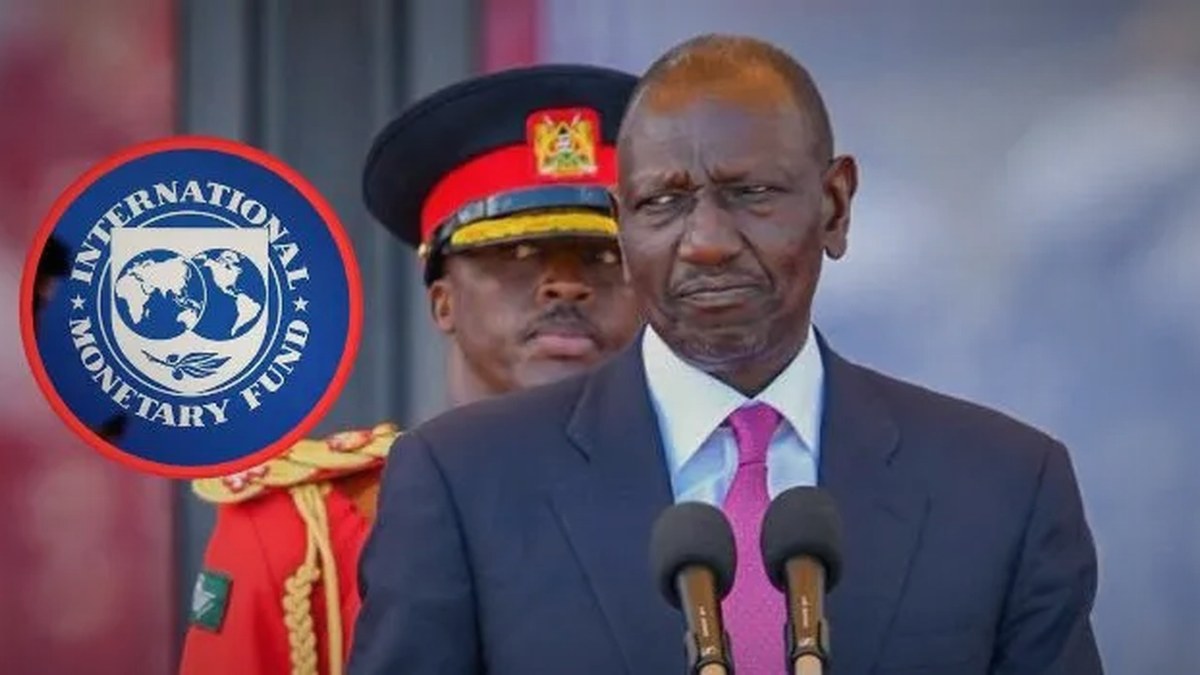
The International Monetary Fund (IMF) has warned that borrowing is getting more expensive for Kenya and other African governments, even though investors now see them as less risky than before.
Zeine Zeidane, Director of the IMF's African Department, said African countries have narrowed the extra interest investors demand to lend to them. However, rising global benchmark rates are cancelling out those gains, Kenyans.co.ke reported on Wednesday, 21 October 2026.
"Market access remains favourable for African economies. Unfortunately, what we see is that the benchmarks themselves are increasing," Zeidane said.
Benchmarks on the rise
African governments issued US$12 billion in Eurobonds in the first nine months of 2026. Yields on 10-year US Treasury bonds, which set the base price for dollar-denominated loans to African governments, have risen by more than 100 basis points this year. That means new debt costs more even for countries whose credit standing has improved.
Kenya's refinancing wall
The warning is especially relevant for Kenya. About Sh1.7 trillion of public debt falls due before June 2027, or 12.7 per cent of the Sh13.2 trillion debt stock. Of that, Sh1.06 trillion is principal that must be repaid or refinanced through new borrowing.
Kenya is currently without an IMF programme. Its Sh466.9 billion (US$3.6 billion) arrangement stalled in March 2025 and expired the following month.
Looking to multilaterals
On 16 October, CBK Governor Kamau Thugge said Kenya was seeking fresh financing from the African Development Bank and the World Bank to support this financial year's budget. Multilateral loans are usually cheaper and longer-term than commercial debt.
Earlier this month, Treasury CS John Mbadi, Dr Thugge and Treasury PS Chris Kiptoo held talks with World Bank Regional Vice President for Eastern and Southern Africa Ndiamé Diop in Bangkok.
Pressure on the budget
Higher interest costs leave less money for development spending and services. The government is also weighing tax relief measures announced by President William Ruto at Mashujaa Day, including a PAYE exemption for low earners. Economists say these will have to be balanced against debt obligations.
Photo: Kenyans.co.ke
Every moment, captured beautifully.
Events, corporate portraits, products and editorial shoots by our newsroom photographers.






More in Business
See all
Nearly seven in 10 homes still cook with firewood and charcoal: State targets cooking gas for 10 million households by 2028 as Mombasa LPG terminal breaks ground
Up to Sh10 million or five years in jail: CAK warns supermarkets squeezing suppliers with rebates, late payments and one-sided deals

'We want fairness': MPs demand proof Kenyans are getting work on Sh154 billion JKIA upgrade as airport squeezes 10 million travellers into space for 7.5 million
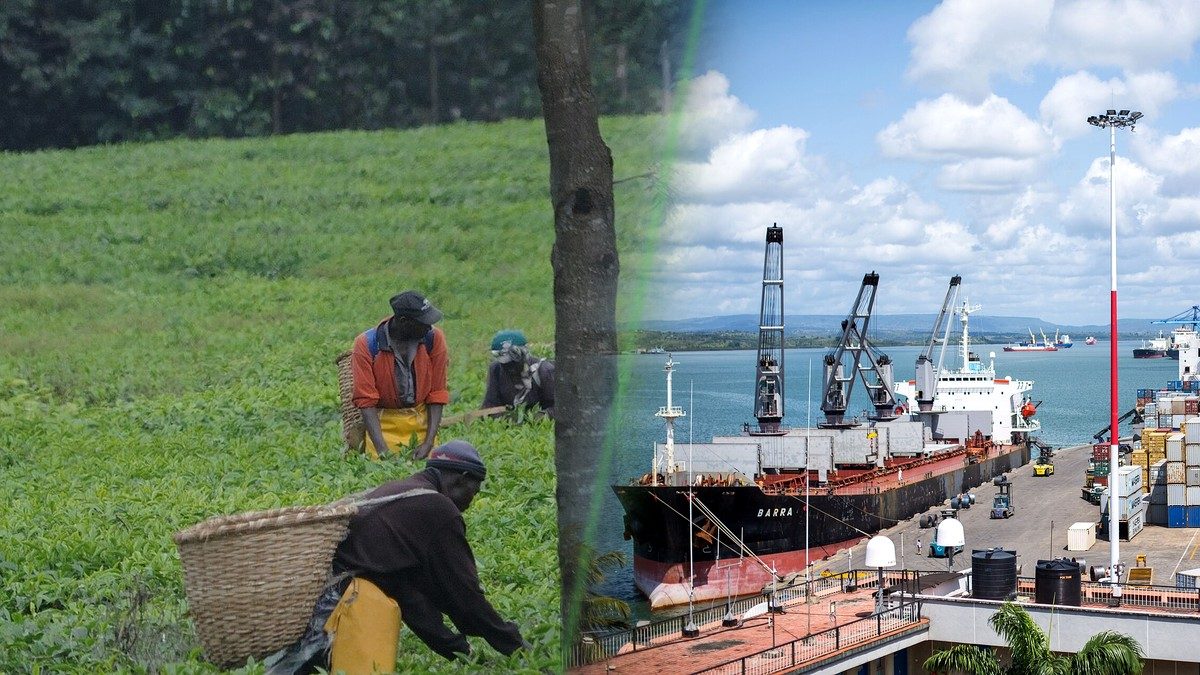
207 containers stranded in Mombasa, a Sh9 billion market shut: Sudan finally lifts its 20-month ban on Kenyan tea

Ask Better Questions

Affordable Housing Project In Pioneer, Eldoret, Signals Progress In Ruto’s Development Agenda
Global Community Remarks
0