
Tigray rebels told to lay down arms as their commander vows to keep fighting Ethiopia's government

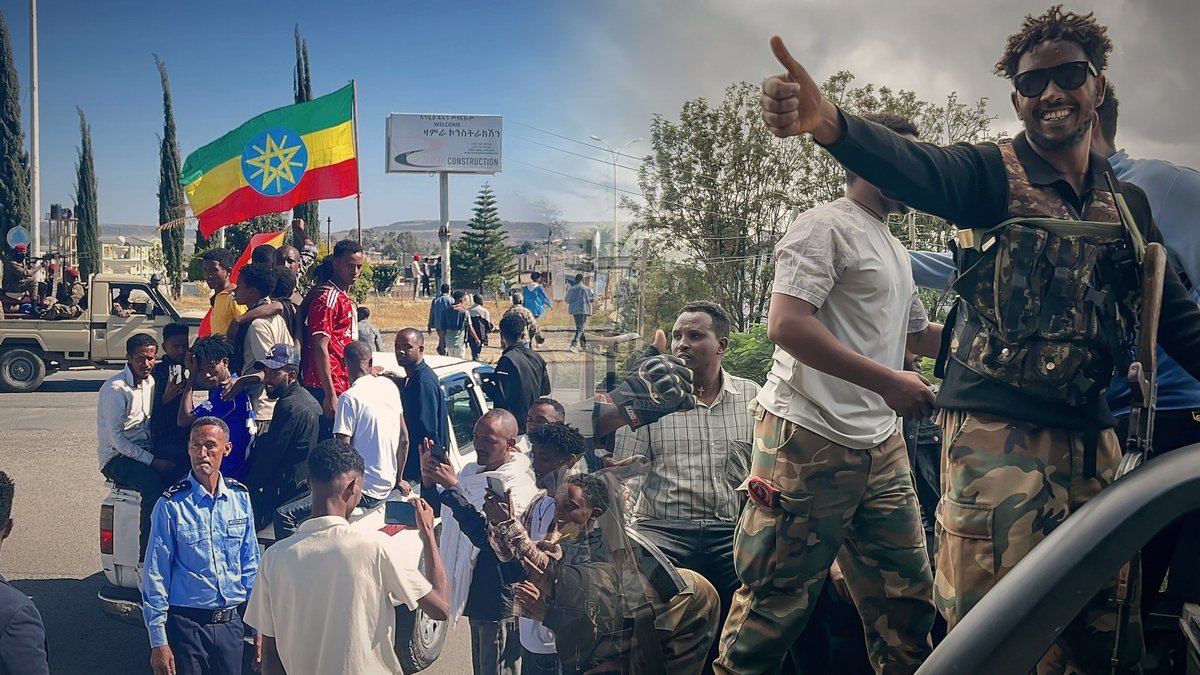
A senior official in Tigray's new federally backed caretaker administration has urged rebel fighters to lay down their weapons and go home. The commander of the Tigrayan forces, however, has called on militias and volunteers across the region to keep fighting.
The two competing calls, made within hours of each other late last week, show that Ethiopia's northernmost region remains far from settled. Government-allied forces took control of the regional capital, Mekelle, earlier this month.
Call to disarm
Speaking in Mekelle on Friday, 23 October, Redae Halefom Woldeselassie said rebel forces were collapsing. He urged fighters to join a disarmament and reintegration programme, the Associated Press reported.
“This is not the time for settling scores – I call upon you to return to your homes and continue your civilian lives,” Redae said.
He dismissed any chance of the rebels retaking Mekelle. He said the conflict served a small group of leaders rather than the people of Tigray. Ethiopian and allied forces were running joint security operations in the city, including measures to stop looting, he said. He promised that displaced residents would be helped to return home but gave no timetable.
Commander's defiance
A day earlier, Lt Gen Fisseha Kidanu spoke on Tigray Broadcast Media, a new rebel television channel. He was identified as commander of the Tigray army. From an undisclosed location, he pledged to reverse the recent setbacks.
“Local militias across the region – alongside all volunteers joining the resistance – are expected to engage the enemy,” Fisseha said, according to Al Jazeera and AP.
He admitted that his side faces opponents with an advantage in drones and heavy weapons. The Tigray People's Liberation Front (TPLF) claims it has inflicted heavy losses on government troops, but AP said it could not verify those claims.
How Mekelle fell
Government-allied fighters entered Mekelle on 4 October after the TPLF withdrew. The withdrawal followed what the federal government described as a rebel attempt to overthrow it. Federal police were patrolling the city by 8 October. On 16 October, Addis Ababa installed a six-month caretaker administration. It has promised to restore services, help displaced people return and prepare for elections.
The government side includes the Tigray Peace Force, made up partly of former members of the TPLF's armed wing. That split has turned former comrades into battlefield enemies and made the conflict harder to read.
Violence has continued. Residents told reporters that a drone strike killed four people and injured six as they loaded goats onto a truck in Mekelle earlier last week. The casualties could not be independently verified.
Pretoria deal in tatters
The fighting has effectively undone the Pretoria agreement, which the African Union brokered in November 2022 to end the 2020-2022 war. Researchers at Ghent University estimate that the earlier war caused about 500,000 civilian deaths through violence, famine and the collapse of health services.
Prime Minister Abiy Ahmed accused the TPLF last week of forcibly recruiting young people instead of disarming as the Pretoria terms required. Speaking at the Tana High-Level Forum on Security in Africa in Bahir Dar, one of his advisers said Tigrayan forces and other regional actors were obstructing the agreement and undermining stability, Al Jazeera reported.
Analysts warn against declaring the war over. “We shouldn't imagine that this conflict is completely over just because the TPLF has lost Mekelle,” Magnus Taylor of the International Crisis Group told AP.
Regional stakes
Kenya has a direct interest in calm in Ethiopia. Nairobi hosted African Union-led talks that followed the 2022 Pretoria agreement, and the two countries are tied by trade routes and a long shared border. Ethiopia has also accused Sudan and Egypt of backing the rebels, while Eritrea has asked the UN to act. These tensions raise fears that the conflict could draw in more of the Horn of Africa.
Photos: AFP via Al Jazeera; AP




Show the impact of your work.
Impact stories, campaign videos and community engagement for NGOs and programmes.

More in International
See all
Machado returns to Venezuela after 10 months in exile, offers talks with interim President Delcy Rodríguez
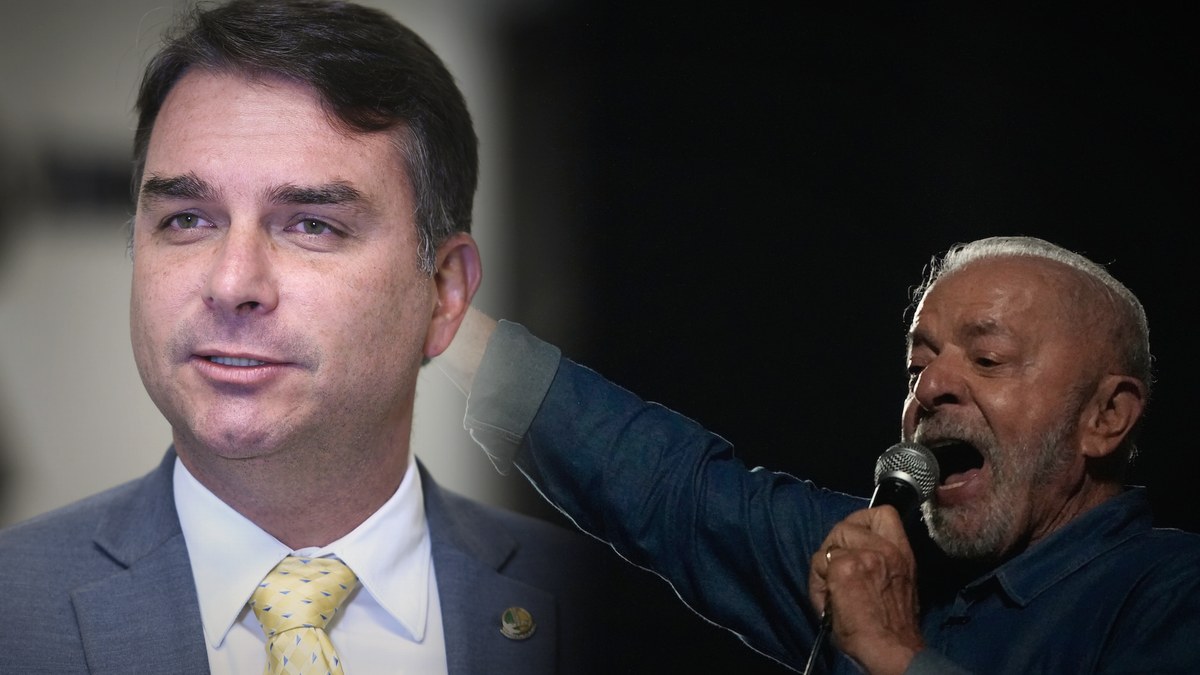
Lula wins record fourth term in Brazil as markets crash and Flávio Bolsonaro seeks annulment
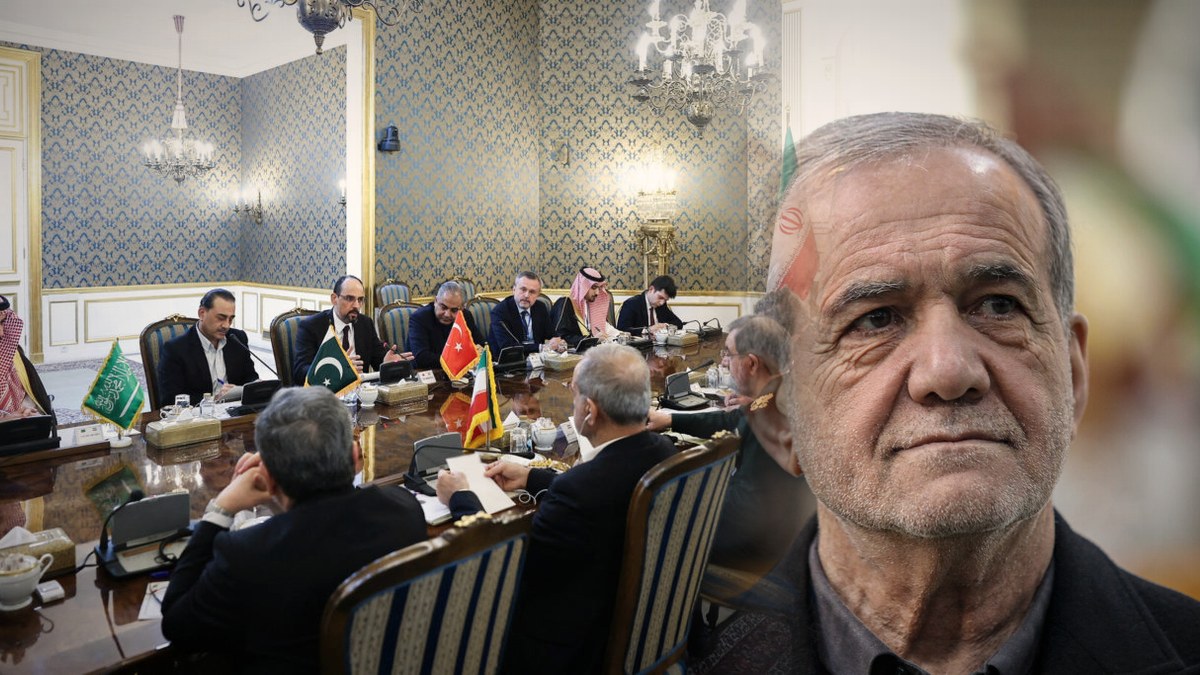
Saudi, Pakistani and Turkish envoys rush to Tehran to stop Iran war from reigniting
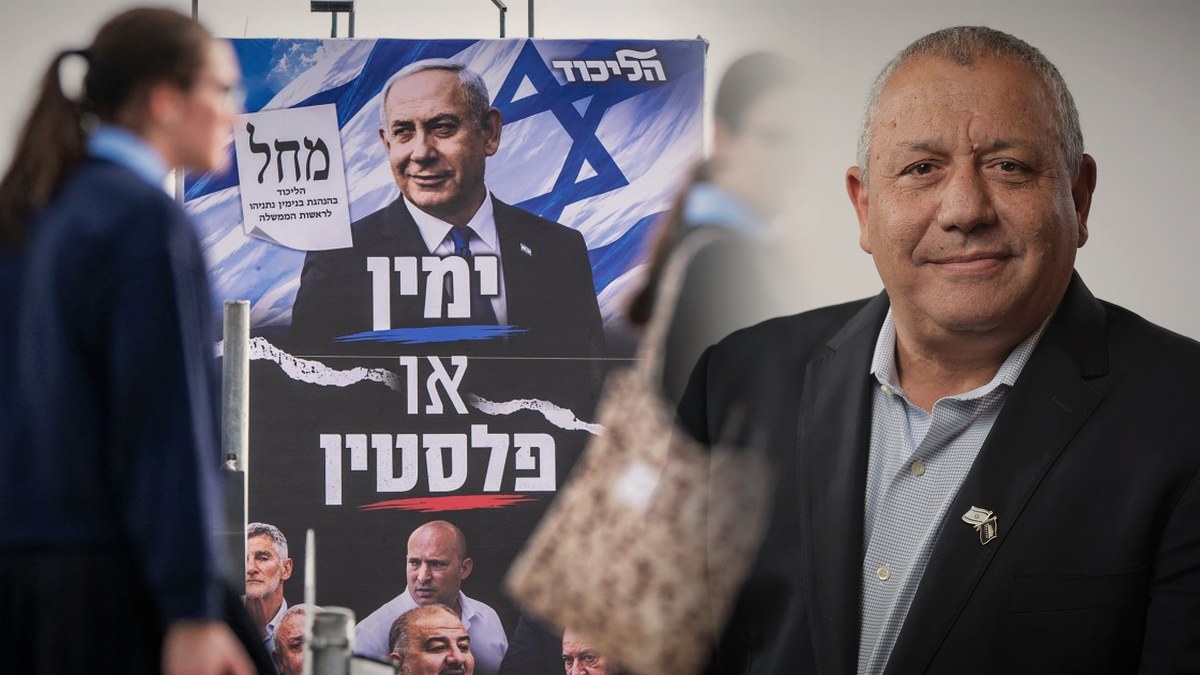
Israel votes as Eisenkot challenges Netanyahu in first election since October 7
UN to shut down its political mission in Somalia on October 31, ending more than three decades of missions
UK sanctions 15 Sudanese army and RSF commanders on El Fasher anniversary, pledges £15 million in aid
Global Community Remarks
0